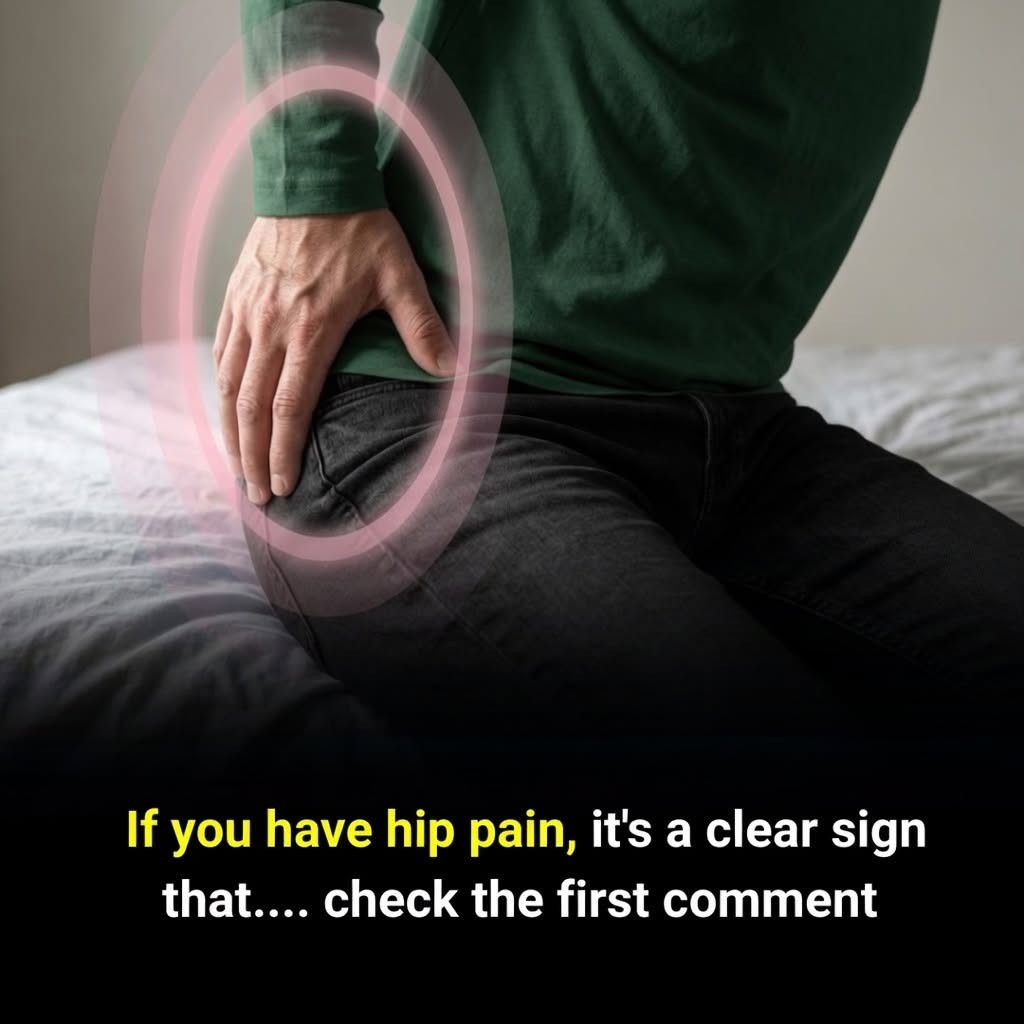

Hip Pain: Causes, Symptoms, and When to Seek Medical Attention
Hip pain is a common health concern that can affect people of different ages and activity levels. It may develop suddenly following an injury or gradually over time due to joint changes, muscle strain, or other underlying conditions. While mild discomfort often improves with appropriate rest and activity adjustments, persistent or worsening hip pain may indicate a problem that requires medical evaluation.
Understanding the location, severity, and pattern of hip pain can help people recognize possible causes and make informed decisions about their health. From osteoarthritis and tendon irritation to nerve-related conditions, several factors can contribute to discomfort around the hip. Recognizing associated symptoms and knowing when to seek professional care are important steps toward maintaining mobility and quality of life.
Understanding Hip Pain and Its Common Symptoms
The hip is a major weight-bearing joint that connects the thighbone, or femur, to the pelvis. Its ball-and-socket structure allows the legs to move in several directions while supporting activities such as walking, running, standing, and sitting.
Because the hip works together with surrounding muscles, tendons, ligaments, and nerves, discomfort in this area does not always originate inside the joint. Problems involving the lower back, pelvis, or nearby soft tissues can also produce symptoms that feel like hip pain.
Hip pain can vary considerably from person to person. Some people experience a dull, persistent ache, while others notice sharp discomfort during specific movements. Common symptoms include:
- Pain or tenderness around the front, side, or back of the hip.
- Stiffness after sitting or resting for an extended period.
- Discomfort when walking, climbing stairs, or standing for long periods.
- Reduced flexibility or difficulty moving the affected leg.
- Pain that spreads toward the thigh, buttocks, or knee.
- Difficulty sleeping comfortably because of pressure on the affected side.
The duration and circumstances of the discomfort can provide useful information. For example, pain that develops after intense physical activity may have a different explanation from discomfort that gradually becomes worse over several months.
What the Location of Hip Pain May Reveal
The location of discomfort can offer important clues about the structures involved. However, pain location alone cannot establish a diagnosis. A healthcare professional may need to consider medical history, physical examination findings, and imaging results before identifying the underlying problem.
1. Pain on the Outside of the Hip
Pain along the outer hip or upper thigh may be associated with irritation of tendons and other soft tissues surrounding the joint. One commonly recognized condition is greater trochanteric pain syndrome, which can involve irritation or injury of the gluteal tendons and inflammation of nearby bursae.
People experiencing this type of discomfort may notice increased pain when lying on the affected side, walking up stairs, standing for extended periods, or getting up from a chair.
Although the term bursitis is frequently used to describe outer hip pain, not every case involves inflammation of a bursa. Tendon-related problems can also contribute to similar symptoms, making an accurate assessment important.
2. Pain in the Groin or Front of the Hip
Discomfort in the groin or front of the hip may indicate a problem within the hip joint itself. Osteoarthritis is one possible cause, particularly when pain develops gradually and is accompanied by stiffness or reduced movement.
Hip impingement, also known as femoroacetabular impingement, is another possible explanation. This condition involves an abnormal contact between the bones of the hip joint during certain movements. Some individuals experience discomfort when bending deeply, rotating the hip, or participating in activities that repeatedly involve hip flexion.
Groin pain can also have causes unrelated to the hip joint. Therefore, persistent symptoms should be evaluated rather than automatically attributed to arthritis.
3. Pain in the Buttocks or Back of the Hip
Pain around the buttocks may originate from muscles, joints, or nerves in the lower back and pelvis. Sciatica, for example, occurs when the sciatic nerve is irritated or compressed. It can produce pain that travels from the lower back or buttocks down the back of the leg.
Depending on the underlying cause, people may also experience tingling, numbness, or weakness in the affected leg. These symptoms can help healthcare professionals distinguish nerve-related discomfort from conditions affecting the hip joint directly.
Common Causes of Persistent Hip Pain
1. Osteoarthritis of the Hip
Osteoarthritis is a common cause of ongoing hip discomfort, particularly among older adults. It is a degenerative joint condition involving changes to cartilage and other joint structures.
Healthy cartilage helps the bones move smoothly against each other. As osteoarthritis develops, this protective tissue gradually deteriorates, potentially leading to changes in the underlying bone and surrounding joint tissues.
Common symptoms include groin pain, stiffness, reduced range of motion, and discomfort during activities such as walking, bending, or getting up from a chair. Symptoms may become more noticeable after periods of inactivity or following increased physical activity.
Although age is an important risk factor, osteoarthritis is not an inevitable part of getting older. Previous joint injuries, certain physical characteristics, and other health factors may also influence the likelihood of developing the condition.
There is currently no treatment that completely reverses established osteoarthritis. However, exercise, physical therapy, appropriate medication, and other medical treatments can help manage symptoms and maintain mobility.
2. Muscle Strains and Overuse Injuries
Muscle strains occur when muscle fibers or their associated tendons are stretched beyond their capacity or injured. They may develop after heavy lifting, sudden movements, intense exercise, or activities involving repeated hip movements.
Symptoms can include localized tenderness, discomfort during movement, swelling, and reduced strength. Mild strains may improve with temporary activity modification, while more significant injuries may require medical assessment and rehabilitation.
Increasing exercise intensity too quickly can also place unnecessary stress on muscles and tendons. Gradual progression, appropriate recovery periods, and proper exercise technique can help reduce this risk.
3. Bursitis and Tendon Problems
Bursae are small, fluid-filled structures that help reduce friction between bones and nearby soft tissues. When a bursa becomes irritated, it may cause localized tenderness and discomfort.
Tendinopathy involves changes or irritation affecting a tendon, which connects muscle to bone. Around the hip, the gluteal tendons are frequently associated with pain on the outside of the joint.
Symptoms may become worse with repetitive movements, prolonged standing, or activities that place pressure on the affected area. Treatment often focuses on managing aggravating activities and gradually improving strength through appropriate rehabilitation.
4. Sciatica and Nerve Irritation
Not all pain experienced around the hip comes from the hip itself. Conditions affecting the lower spine can irritate nerves that extend into the buttocks and legs.
Sciatica commonly produces discomfort that travels from the lower back through the buttock and down one leg. Some individuals also experience tingling, numbness, or muscle weakness.
Because several spinal and nerve conditions can produce similar symptoms, persistent or worsening pain should be assessed by a qualified healthcare professional.
5. Joint Injuries and Other Medical Conditions
Falls, sports injuries, and accidents can damage the bones or soft tissues surrounding the hip. Hip fractures are particularly important to recognize because they can significantly affect a person’s ability to stand or walk.
Other possible causes include inflammatory arthritis, hip labral injuries, and, less commonly, joint infections or conditions affecting bone health. A hot, swollen joint accompanied by fever may indicate an infection and requires urgent medical evaluation.
When Should You Seek Medical Attention for Hip Pain?
Not every episode of hip discomfort requires an immediate medical appointment. However, certain symptoms should not be ignored, particularly when they interfere with normal movement or suggest a more serious underlying problem.
Symptoms That Require a Medical Appointment
Consider arranging an appointment with a healthcare professional if:
- Hip pain continues for several weeks without noticeable improvement.
- Discomfort gradually becomes more frequent or severe.
- Pain interferes with walking, sleeping, or everyday activities.
- Hip stiffness makes normal movements increasingly difficult.
- Symptoms repeatedly return after exercise or physical activity.
- You experience persistent discomfort together with reduced mobility.
The NHS recommends seeking medical advice when hip pain affects sleep or normal activities, becomes worse, repeatedly returns, or fails to improve after appropriate home care.
Warning Signs That Require Urgent Assessment
Some symptoms may indicate a condition requiring prompt or emergency medical attention.
- Sudden, severe hip pain without an obvious explanation.
- Inability to stand, walk, or put weight on the affected leg.
- Severe pain following a fall or other injury.
- A visibly deformed hip or leg after an injury.
- Sudden swelling or significant changes in the appearance of the affected area.
- A hot or swollen hip accompanied by fever, chills, or feeling generally unwell.
If you cannot bear weight after an injury or suspect a fracture, seek emergency medical care rather than attempting to walk through the pain. Sudden severe pain accompanied by fever or a hot, swollen joint also requires urgent assessment.
Recognizing these warning signs can help prevent delays in diagnosing conditions that may need immediate treatment.
How Healthcare Professionals Diagnose Hip Pain
Identifying the cause of hip pain usually begins with a discussion of symptoms and medical history. A healthcare professional may ask when the discomfort started, whether it followed an injury, and which activities make it better or worse.
A physical examination may include checking tenderness, muscle strength, walking patterns, flexibility, and the range of motion in the hip. The clinician may also examine the lower back or other nearby areas if referred pain is suspected.
Depending on the findings, additional investigations may be recommended:
- X-rays: Can help identify fractures, changes associated with osteoarthritis, and certain abnormalities in bone structure.
- Magnetic resonance imaging (MRI): May provide more detailed information about soft tissues, cartilage, tendons, and other structures.
- Blood tests: May be useful when infection or certain inflammatory conditions are suspected.
- Other imaging examinations: May be considered when a particular condition requires further investigation.
Not everyone needs imaging or laboratory tests. The appropriate diagnostic approach depends on the symptoms, examination findings, and suspected cause.
Effective Ways to Manage Mild Hip Pain at Home
For mild discomfort without warning signs, several practical measures may help reduce irritation and support recovery. The most appropriate approach depends on the underlying cause, so persistent symptoms should not be managed indefinitely without professional advice.
1. Temporarily Modify Activities
Reducing activities that aggravate the hip can help prevent additional irritation. For example, someone experiencing discomfort after running may benefit from temporarily switching to a lower-impact activity.
Activity modification does not necessarily mean complete inactivity. Comfortable movement is often preferable to prolonged rest, provided it does not increase symptoms significantly.
2. Apply Ice or Gentle Heat
Cold packs wrapped in a towel may help relieve discomfort after an activity or injury. Gentle heat may help relax tight muscles and reduce feelings of stiffness.
Neither method should be applied directly to the skin for extended periods. People with reduced skin sensation or circulation problems should seek appropriate advice before using temperature-based treatments.
3. Maintain Comfortable Movement
Gentle movement can help maintain flexibility and prevent unnecessary stiffness. Depending on individual circumstances, activities such as walking on level ground, swimming, or cycling may be appropriate.
However, exercises should be selected according to the source of the pain. Aggressive stretching or continuing movements that produce severe discomfort may make certain injuries worse.
4. Take Regular Breaks From Sitting
Remaining in one position for long periods can contribute to stiffness and discomfort. Changing positions regularly and taking short movement breaks may improve comfort.
Comfortable seating and appropriate posture can also make everyday activities easier, although posture alone is not necessarily the cause of persistent hip pain.
5. Choose Supportive Footwear
Comfortable footwear with appropriate support may help some people move more comfortably. Shoes should fit properly and provide suitable cushioning for the activities being performed.
Individuals with specific foot or walking problems may benefit from professional advice about footwear modifications or other supportive devices.
Medical Treatments and Long-Term Hip Pain Management
When home care is insufficient, healthcare professionals may recommend treatments based on the specific diagnosis and severity of symptoms.
Physical therapy is an important option for many people experiencing ongoing hip discomfort. A tailored rehabilitation program may include strengthening exercises, flexibility training, movement education, and gradual improvements in activity levels.
Medication may also be considered. Depending on individual health circumstances, healthcare professionals may recommend appropriate pain-relieving or anti-inflammatory medicines. Over-the-counter medications are not suitable for everyone, particularly people with certain medical conditions or those taking other medicines. A pharmacist or healthcare professional can help assess potential risks and interactions.
For some people with hip osteoarthritis, additional treatments such as corticosteroid injections may be considered. More advanced treatment options, including hip replacement surgery, may be discussed when severe joint damage causes substantial pain and nonsurgical treatments no longer provide sufficient relief.
The American Academy of Orthopaedic Surgeons emphasizes evidence-based treatment approaches for hip osteoarthritis, including appropriate nonsurgical management and individualized decisions about further intervention.
Importantly, treatment plans should reflect the person’s diagnosis, overall health, mobility goals, and response to previous care rather than relying on a single approach for every case.
How to Support Hip Health and Reduce the Risk of Future Problems
Although not every cause of hip pain can be prevented, maintaining healthy movement habits may help support joint function and reduce avoidable strain.
Regular physical activity helps maintain muscle strength and general mobility. Activities that strengthen the muscles around the hips and legs can support joint function and improve balance.
It is also important to increase exercise intensity gradually. Sudden changes in training frequency, duration, or difficulty may increase the risk of overuse injuries.
Maintaining a healthy body weight, when appropriate, may reduce mechanical stress on weight-bearing joints. People with existing hip conditions can discuss suitable exercise and weight-management strategies with their healthcare team.
Recovery is another important part of physical activity. Allowing sufficient time between demanding exercise sessions can help the body adapt and reduce excessive strain.
Finally, recurring discomfort should not be dismissed as an unavoidable consequence of aging or an active lifestyle. Early assessment may help identify treatable problems and prevent symptoms from unnecessarily affecting daily routines.
Frequently Asked Questions About Hip Pain
Can Hip Pain Be Caused by Sitting Too Long?
Prolonged sitting may contribute to stiffness or discomfort, particularly in people who remain in one position for extended periods. However, persistent pain may have other causes, including joint conditions, muscle problems, or nerve irritation. Regular movement breaks may help, but ongoing symptoms deserve evaluation.
Does Hip Pain Always Mean Osteoarthritis?
No. Osteoarthritis is one possible cause, but hip pain can also result from muscle strains, tendon problems, bursitis, injuries, and conditions involving the lower back. A proper assessment is necessary to identify the cause.
Is Walking Good for Hip Pain?
Gentle walking may be appropriate for some people, especially when discomfort is mild and movement does not significantly worsen symptoms. However, people with severe pain, suspected fractures, or difficulty bearing weight should avoid forcing themselves to walk and seek medical assessment.
How Long Does Hip Pain Usually Last?
Recovery time varies according to the cause and severity. Mild muscle-related discomfort may improve with appropriate activity modification, while osteoarthritis and other chronic conditions may require longer-term management. Pain that persists or worsens should be assessed by a healthcare professional.
When Is Hip Pain an Emergency?
Severe pain following an injury, inability to bear weight, an obvious joint deformity, or a hot, swollen hip accompanied by fever requires urgent medical attention. These symptoms may indicate conditions that need prompt treatment.
Conclusion: Understanding Hip Pain Is Important for Long-Term Mobility
Hip pain can have many different causes, ranging from temporary muscle strain to chronic joint conditions such as osteoarthritis. Understanding where discomfort occurs, how it develops, and which activities trigger it can provide useful clues about the underlying problem.
Although mild symptoms may improve with appropriate rest, gentle movement, and activity adjustments, persistent or worsening discomfort should not be ignored. Medical evaluation is particularly important when pain interferes with everyday activities or occurs alongside swelling, fever, or difficulty bearing weight.
With an accurate diagnosis and an appropriate management plan, many people can improve their mobility, reduce discomfort, and continue participating in activities that support their overall well-being. Paying attention to early symptoms and seeking professional guidance when necessary are practical steps toward maintaining healthy hip function.
Sources
The following established medical and healthcare organizations provide additional information about hip pain, possible causes, diagnosis, and treatment:
- NHS – Hip Pain in Adults
- Mayo Clinic – Hip Pain: Causes and Definition
- American Academy of Orthopaedic Surgeons – Osteoarthritis of the Hip
- American Academy of Orthopaedic Surgeons – Clinical Practice Guideline for Hip Osteoarthritis
- MedlinePlus – Hip Pain
- Healthdirect Australia – Hip Pain
Medical disclaimer: This article is intended for general educational purposes only. It does not replace professional medical advice, diagnosis, or treatment. Consult a qualified healthcare professional about persistent symptoms or individual treatment decisions.
Disclaimer: This content is intended for entertainment purposes only and is not based on real events.