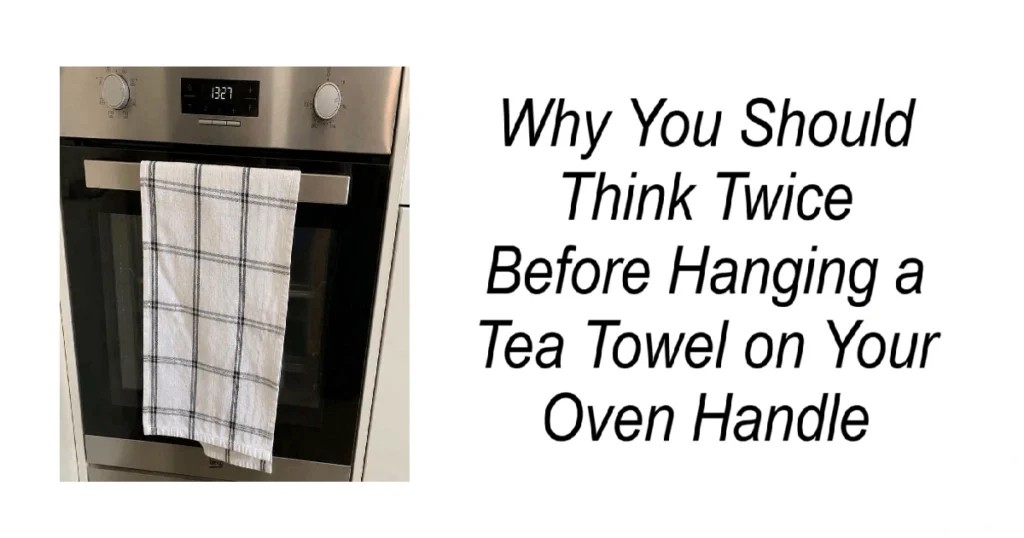

Why You Should Think Twice Before Hanging a Tea Towel on Your Oven Handle
Tea towels are among the most frequently used items in a kitchen. Whether you are drying your hands, wiping a countertop, cleaning up a small spill, or handling everyday cooking tasks, having a towel within easy reach makes meal preparation more convenient. For many households, hanging a tea towel over the oven handle has become a familiar habit.
However, convenience does not always mean that a particular storage location is the safest choice. Kitchen appliances generate heat, cooking areas can become crowded, and loose fabric may create unnecessary obstacles when people are moving around with hot cookware.
Although hanging a tea towel on an oven handle does not automatically create a fire hazard, its position can introduce avoidable risks depending on the appliance, kitchen layout, and cooking activities. Understanding these potential problems can help homeowners make more informed decisions about kitchen organization.
Here is why it may be worth reconsidering this everyday habit, along with practical alternatives for keeping kitchen towels accessible without compromising household safety.
Why Hanging a Tea Towel on the Oven Handle Can Be Risky
Kitchen towels are generally made from cotton, linen, or other absorbent fabrics. These materials are useful for everyday cleaning and drying, but they are also combustible. Their safety depends partly on where they are stored and whether they can come into contact with heat or open flames.
An oven handle may appear to be a convenient storage location because it is easy to reach and does not occupy valuable countertop space. Nevertheless, the area around an oven is part of an active cooking environment. Heat, movement, and nearby equipment should all be considered when deciding where to keep fabric items.
1. Heat Exposure Can Become a Concern
Ovens and stovetops produce considerable heat during normal operation. The temperature of an oven door and handle varies according to the appliance design, insulation, cooking temperature, operating conditions, and duration of use.
Some modern ovens are designed with insulated doors and handles that remain relatively cool during operation. Others may become noticeably warm, particularly during prolonged cooking or high-temperature baking. Therefore, it would be inaccurate to assume that every oven handle reaches a dangerous temperature. However, it is equally unwise to assume that every handle remains cool.
The greater concern is often the towel’s proximity to other heat sources. Depending on the kitchen layout, a hanging towel might extend toward a nearby stovetop burner, cooking flame, or hot cookware.
Fabric exposed to sufficiently high temperatures can ignite. Keeping combustible materials away from burners and other heat-producing equipment is therefore a sensible precaution.
A simple adjustment, such as moving the towel to a dedicated hook on a nearby cabinet, can reduce unnecessary exposure to cooking heat.
2. Loose Fabric Can Interfere With Kitchen Activities
Another consideration is the movement of a hanging towel. A tea towel draped over an oven handle can hang loosely, making it possible for someone to catch it while walking past or opening nearby cabinets.
This may seem like a minor inconvenience, but unexpected movement can become distracting when someone is carrying a hot baking tray, saucepan, or freshly prepared meal.
A towel might also become caught on clothing, cookware, or another kitchen object. If someone pulls it accidentally, nearby items could be disturbed or knocked out of position.
These situations are not inevitable, but they illustrate why keeping loose materials away from busy working areas is a useful organizational principle.
In households with children, pets, or several people sharing the kitchen, choosing a more secure storage location can be particularly helpful.
3. Combustible Materials Should Be Kept Away From Cooking Equipment
Tea towels are only one example of household materials that should be positioned carefully around cooking appliances.
Paper towels, cardboard packaging, food wrappers, oven mitts, wooden utensils, and other combustible objects can create additional risks if they are placed too close to burners or hot surfaces.
When cooking areas become crowded, it can also become more difficult to identify potential problems and move cookware comfortably.
Keeping the space around an oven and stovetop organized helps create a more functional working environment. It also makes it easier to concentrate on cooking without unnecessary objects getting in the way.
For this reason, kitchen fire-prevention guidance commonly emphasizes keeping flammable materials away from cooking equipment and remaining attentive while preparing food.
4. A Hanging Towel May Not Be Suitable for Every Kitchen Layout
Kitchen designs differ considerably. In some homes, the oven is positioned beside a countertop or cabinet. In others, it is installed close to a stovetop or within a narrow cooking area.
A towel that appears harmless in one kitchen might extend into a less convenient or less suitable position in another.
For example, a long towel hanging from an oven handle may overlap with an adjacent drawer, interfere with access to nearby equipment, or sit close to a cooking surface.
Rather than following a universal rule about oven handles, homeowners should consider the actual arrangement of their appliances and keep towels away from heat sources and areas where they could become caught.
Better Places to Keep Your Kitchen Towels
Moving a tea towel away from the oven does not mean sacrificing convenience. Several simple storage solutions can keep frequently used towels accessible while making better use of available kitchen space.
1. Install a Dedicated Kitchen Hook
A dedicated towel hook is one of the simplest alternatives to using an oven handle.
Hooks can be installed on the side of a cabinet, inside a cupboard door, or on another suitable surface away from cooking equipment. They provide a designated place for towels and help prevent fabric from being left on countertops or appliance handles.
When selecting a location, consider how far the towel will hang and whether it could come into contact with burners, hot cookware, or frequently used walking areas.
Adhesive hooks may be suitable for some kitchen surfaces, while screw-mounted hooks can provide a more permanent solution. Always follow the manufacturer’s installation instructions and choose a hook appropriate for the surface and expected weight.
2. Use a Wall-Mounted or Cabinet-Mounted Towel Rail
For households that use several kitchen towels throughout the day, a small towel rail can offer additional convenience.
Wall-mounted rails provide an organized place to hang towels so that they can dry between uses. Cabinet-mounted options may be useful in smaller kitchens where wall space is limited.
Good placement is important. A towel rail should be positioned away from direct heat, splashing cooking oil, and areas where people regularly handle hot dishes.
Allowing towels to hang freely also helps them dry more effectively than leaving them folded in a damp pile.
3. Keep a Clean, Dry Towel on a Suitable Countertop
Another option is to keep a clean, folded tea towel on a dry section of countertop that is well away from the stove and oven.
This arrangement can work particularly well for people who frequently wash their hands while cooking. However, towels should not be placed beside burners or in areas where they could become contaminated by raw food, cooking splashes, or cleaning products.
It is also important to replace towels regularly. A towel that becomes damp, visibly dirty, or contaminated during food preparation should be washed before being used again.
Using separate towels for different tasks can make kitchen hygiene easier to maintain. For example, one towel can be reserved for drying clean hands, while another is used for general cleaning.
4. Consider an Apron With Pockets
An apron with pockets can be a practical accessory for people who spend considerable time preparing meals.
Pockets provide space for small items such as a recipe card, pen, or other lightweight kitchen essentials. They can also reduce the temptation to leave miscellaneous objects on countertops.
However, an apron should not become a place for storing loose towels while cooking near flames or hot surfaces. Long fabric accessories can also become inconvenient if they hang close to cooking equipment.
Choose an apron that fits comfortably, secure loose ties, and keep all fabric away from active burners and other heat sources.
5. Use a Dedicated Storage Basket or Drawer
If countertop and wall space are limited, a designated drawer or storage basket can provide a convenient solution.
Clean, folded towels can be kept together in a dry cabinet or drawer, making it easy to select a fresh one whenever necessary.
This approach is particularly useful for households that maintain separate towels for hand drying, surface cleaning, and other kitchen tasks.
Make sure towels are completely dry before storing them for extended periods. Storing damp fabric in an enclosed space can encourage unpleasant odors and microbial growth.
Kitchen Towel Hygiene Is Just as Important as Storage
Where a towel is stored matters, but how it is used and cleaned is also important.
Kitchen towels can collect moisture, food residue, and microorganisms through repeated contact with hands, countertops, utensils, and other surfaces. Using the same towel for every task can contribute to the spread of unwanted contamination around the kitchen.
Change Towels When They Become Damp or Dirty
A damp towel should not be left sitting in a pile or folded into a drawer. Moisture can create conditions that encourage microbial growth, particularly when fabric is repeatedly used without sufficient drying.
Wash kitchen towels regularly, following the care instructions on their labels. Replace them sooner if they become visibly dirty or come into contact with raw meat juices or other potentially contaminated materials.
Use Separate Towels for Different Tasks
Keeping separate towels for hand drying and general cleaning can help reduce the transfer of food residue between surfaces.
For example, a towel used to wipe a countertop should not automatically become the towel used to dry clean hands. Paper towels or appropriate disposable cleaning materials may be preferable for certain messy tasks.
Good handwashing practices remain essential, particularly when switching between handling raw ingredients and preparing food that is ready to eat.
Never Substitute an Ordinary Tea Towel for Proper Oven Mitts
Although kitchen towels are frequently used around cooking equipment, ordinary tea towels are not necessarily designed to protect hands from high temperatures.
A thin, damp, or folded towel may provide inadequate insulation when handling hot cookware. Moisture can also increase the risk of heat transferring to the skin.
Use dry, purpose-made oven mitts or potholders that provide appropriate thermal protection. Check them periodically for worn fabric, damaged seams, or other signs that they may no longer offer reliable protection.
Simple Kitchen Fire-Prevention Habits Worth Following
Reconsidering where to hang a tea towel is one small part of maintaining a safer kitchen. A few additional habits can help reduce common cooking-related risks.
Stay Attentive While Cooking
Cooking requires attention, particularly when using a stovetop. Avoid leaving active cooking unattended, especially when heating oil or preparing food at high temperatures.
If you need to leave the kitchen, consider turning off the cooking equipment when appropriate rather than assuming everything will remain safe without supervision.
Keep Cooking Equipment and Nearby Surfaces Organized
Before starting a meal, take a moment to remove unnecessary packaging, paper products, and loose fabric from the cooking area.
Keep handles of pots and pans positioned safely, avoid overcrowding burners, and make sure frequently used utensils are stored where they can be reached without crossing hot surfaces.
Understand Your Kitchen Appliances
Different ovens and stovetops have different operating characteristics. Read the manufacturer’s instructions to understand recommended clearances, surface temperatures, and any restrictions concerning nearby materials.
Pay particular attention to ventilation requirements and warnings about placing objects on or near appliances.
Know the Basics of Household Fire Safety
Every household should understand basic fire-prevention procedures and have working smoke alarms in appropriate locations.
It is also useful to know how to respond to a small cooking fire. Never use water on a grease fire, because doing so can cause burning oil to spread. If a fire cannot be controlled safely, leave the property and contact emergency services.
Official guidance from fire-safety organizations can provide additional information about prevention, emergency planning, and appropriate responses to household fires.
Why Small Kitchen Habits Can Make a Big Difference
A safer kitchen does not necessarily require expensive appliances, major renovations, or complicated organizational systems.
In many cases, improvements begin with ordinary decisions about where household items are stored and how frequently used equipment is maintained.
Moving a tea towel away from an oven handle, keeping paper products away from burners, and using appropriate protective equipment are relatively simple changes. Together, these habits can help create a more organized cooking environment.
These adjustments are especially useful in busy households where several people share the kitchen. Children learning to cook, family members preparing meals together, and individuals working in smaller kitchens can all benefit from clearly defined storage spaces.
Consistency is important. A designated location for kitchen towels makes it easier for everyone to return them to the correct place rather than leaving them wherever they happen to finish using them.
The Bottom Line
Hanging a tea towel over an oven handle may seem like a harmless and convenient kitchen habit, but it is not necessarily the best storage solution for every home.
The main concerns involve possible exposure to heat, proximity to cooking flames, loose fabric getting caught during everyday activities, and unnecessary clutter around appliances. These risks depend on the individual kitchen layout and the characteristics of the equipment being used.
A dedicated towel hook, wall-mounted rail, cabinet storage space, or suitable countertop location can provide a practical alternative. Keeping towels clean and dry, using separate materials for different kitchen tasks, and choosing proper oven mitts are equally worthwhile habits.
Most importantly, remember that kitchen safety is about managing several small details rather than focusing on one object in isolation. Keeping combustible materials away from heat sources, remaining attentive while cooking, and maintaining an organized workspace can all contribute to a more comfortable household environment.
The next time you finish using a tea towel, consider giving it a designated place away from your oven and stovetop. It is a small adjustment that can make everyday cooking more organized and help reduce avoidable household hazards.
Sources
The following organizations provide established guidance on cooking safety, household fire prevention, and general kitchen safety:
Disclaimer: This content is intended for entertainment purposes only and is not based on real events.