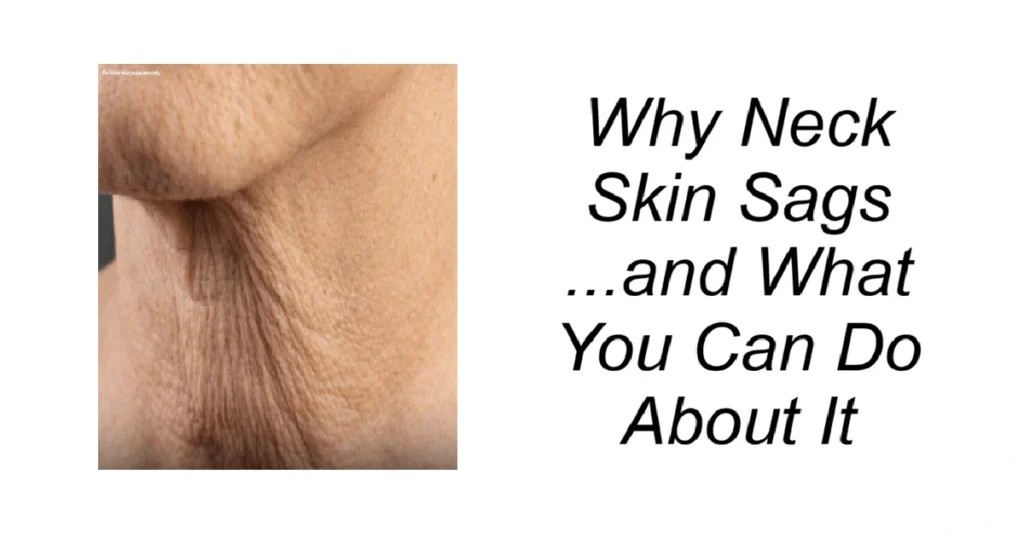

Why Neck Skin Sags …and What You Can Do About It
Changes in the skin around the neck are a common part of getting older. Fine lines, creasing, a less-defined jawline, and loose-looking skin can become more visible over time. Many people refer to this appearance casually as “turkey neck,” but it is usually the result of ordinary changes in skin, fat, muscles, and connective tissue rather than a medical problem.
The neck can show signs of aging earlier than expected because its skin is relatively thin, often receives frequent sun exposure, and is sometimes left out of everyday skincare routines. Genetics, weight changes, posture, smoking, and overall health can also influence how the neck looks. While no cream, exercise, or home device can completely remove significant excess skin, there are practical, evidence-informed ways to protect neck skin, improve its texture, and make thoughtful decisions about professional care.
A realistic approach starts with understanding what causes neck skin to sag and separating reliable skin-health advice from exaggerated claims. Aging is natural, and appearance-related choices are personal. The goal is not to promise a permanently “tight” neck, but to support healthy skin and help people make informed choices.
Why Does Neck Skin Sag With Age?
Skin gradually changes throughout adult life. Two proteins are especially important to its structure: collagen, which contributes strength and support, and elastin, which helps skin stretch and return toward its original shape. With age, the body produces less collagen and elastin, while existing fibers can become less organized and less resilient. Skin may become thinner, drier, and less able to rebound after being stretched.
These changes do not occur only at the surface. The contour of the neck is influenced by several layers, including skin, subcutaneous fat, connective tissue, and the platysma, a broad muscle that extends from the chest toward the lower face. Age-related changes in any of these areas can contribute to a softer jawline, vertical neck bands, wrinkles, or loose skin.
The timing and degree of these changes vary widely. Some people notice neck lines in their 30s or 40s, while others retain a smoother-looking neck for longer. Neither pattern is inherently better or worse. Natural variation in anatomy, skin tone, lifestyle, and inherited traits plays a major role.
Sun Exposure and Photoaging of the Neck
Ultraviolet radiation from the sun is one of the most important external contributors to visible skin aging. Dermatology organizations describe this process as photoaging. Over time, UV exposure can damage collagen and elastin and contribute to fine lines, uneven pigmentation, rough texture, and reduced skin firmness.
The neck and upper chest are frequently exposed during driving, walking, sports, and outdoor work, yet sunscreen is often applied only to the face. This makes the area particularly vulnerable to cumulative exposure. UVA rays can penetrate deeply into the skin and are present during daylight hours, while UVB rays are a major cause of sunburn. Both are relevant to long-term skin protection.
Daily sun protection is one of the most useful steps for preventing further visible damage. The American Academy of Dermatology recommends a broad-spectrum, water-resistant sunscreen with SPF 30 or higher for exposed skin. Apply it to the front, sides, and back of the neck when these areas are uncovered. Reapplication is important during extended outdoor time, particularly after swimming or sweating. Wide-brimmed hats, collars, shade, and sun-protective clothing can provide additional protection.
Sunscreen cannot undo every existing sign of photoaging, but consistent use can help limit additional UV-related damage. It is a long-term habit rather than a quick cosmetic fix.
How Genetics Influence Neck Aging
Genetics help explain why two people of the same age can have noticeably different skin texture and neck contours. Inherited characteristics may affect skin thickness, facial bone structure, collagen organization, fat distribution, pigmentation, and the rate at which visible signs of aging develop.
A family tendency toward loose skin or a less sharply defined jawline does not mean that skincare and lifestyle measures are pointless. It simply means there are limits to what any routine can change. Healthy habits may reduce preventable environmental damage and support overall skin quality, even though they cannot alter a person’s underlying anatomy or genetic profile.
It can be helpful to avoid comparing one person’s aging pattern with another’s. Social media images are often filtered, edited, posed, or captured under lighting that minimizes normal skin texture. A more useful benchmark is whether a routine is gentle, sustainable, and appropriate for an individual’s health needs.
Weight Changes, Fat Distribution, and Loose Neck Skin
Weight changes can affect the appearance of the neck and jawline. When body weight increases, fat may accumulate under the chin or around the neck, depending on a person’s genetics and body composition. Following substantial weight loss, skin that was stretched for a long period may not fully contract, especially when age-related reductions in skin elasticity are also present.
The amount of remaining loose skin differs from person to person. Factors include age, genetics, the amount and speed of weight change, sun exposure history, smoking, and the duration of higher body weight. Loose skin after weight loss is common and is not a sign that someone has failed in their health goals.
For people pursuing weight management, gradual and sustainable changes are generally safer and easier to maintain than restrictive or rapid approaches. A clinician or registered dietitian can offer individualized advice, particularly for people with medical conditions or a history of disordered eating. Maintaining a stable weight may reduce repeated stretching of the skin, but it cannot guarantee prevention of neck sagging.
Hydration and the Appearance of Neck Skin
Well-hydrated skin often looks smoother and feels more comfortable than dry skin. When the outer skin barrier is dry or irritated, fine lines and uneven texture may become more noticeable. Moisturizers can improve the appearance of dryness by drawing water into the outer layer of the skin and reducing water loss.
However, it is important to set realistic expectations. Drinking more water than the body needs does not tighten loose skin or replace lost collagen. Adequate fluid intake supports normal body function, but significant skin laxity caused by aging or weight loss requires more than hydration alone.
A simple neck skincare routine can include a gentle cleanser and moisturizer. Products containing glycerin, hyaluronic acid, ceramides, petrolatum, or other barrier-supporting ingredients may be useful, depending on skin type. Applying moisturizer after bathing can help retain water in the outer skin layer. Avoid harsh scrubs, heavily fragranced products, or aggressive exfoliation if they cause redness, stinging, or dryness.
Do Neck Exercises and Viral Beauty Hacks Work?
Online beauty content often promotes facial yoga, gua sha, jade rollers, ice tools, adhesive patches, and home devices as ways to “lift” the neck. Some practices may feel relaxing or temporarily reduce the appearance of puffiness. Gentle massage can also encourage a short-lived flushed or refreshed look. But there is limited high-quality evidence that these methods can rebuild collagen, remove excess skin, or create lasting tightening in people with significant skin laxity.
Neck and posture exercises can still have value for comfort, mobility, and muscle function. Forward-head posture can change how the chin and neck area appear, so posture-focused exercises may improve alignment for some people. Chin tucks, shoulder-blade exercises, and gentle stretches are commonly included in physical therapy programs when appropriate.
Exercises should not cause pain, dizziness, numbness, or headaches. People with neck injuries, arthritis, neurological conditions, or persistent neck pain should ask a qualified healthcare professional before starting a new exercise routine. Better muscle conditioning and better posture may improve appearance modestly, but they do not remove excess skin or reverse structural aging.
Be cautious with products and devices that promise dramatic results in days or claim to be risk-free. Strong suction, excessive pressure, abrasive tools, and unregulated energy devices can irritate or injure skin. Claims that sound too good to be true deserve careful scrutiny.
Skincare Ingredients That May Help the Neck Look Smoother
Skincare cannot replicate the results of surgery for pronounced loose skin, but certain ingredients may improve dryness, fine lines, uneven tone, and overall texture. The neck can be more sensitive than the face, so new products should be introduced gradually.
- Retinoids: Prescription retinoids and over-the-counter retinol can improve the appearance of fine lines and photoaging over time. They may cause dryness, redness, and peeling, especially at first. Start slowly, use sunscreen, and seek medical advice before use during pregnancy or breastfeeding.
- Vitamin C: This antioxidant is used in skincare formulations to help address the visible effects of environmental exposure and uneven tone. Product stability and formulation matter, and sensitive skin may react to some formulas.
- Hyaluronic acid: A humectant that helps bind water in the outer skin layer, often making skin look temporarily plumper and smoother.
- Ceramides and glycerin: These ingredients support hydration and the skin barrier, which can reduce the look and feel of dryness.
- Peptides: Peptides are widely used in cosmetic products, but evidence for substantial lifting or tightening from topical peptide products remains limited.
Expensive “neck creams” are not automatically more effective than a well-formulated facial moisturizer used consistently. A practical routine often consists of daily sunscreen, a gentle moisturizer, and one active ingredient introduced carefully. Patch testing can be sensible for people with sensitive skin or a history of contact allergies.
Professional Treatments for Sagging Neck Skin
For people who want more noticeable changes, consultation with a board-certified dermatologist, plastic surgeon, or another appropriately qualified clinician can clarify the available options. A proper assessment should consider skin laxity, fat distribution, muscle changes, medical history, skin type, and personal goals.
Non-surgical treatments may include radiofrequency, ultrasound-based procedures, lasers, and other energy-based technologies. These treatments aim to heat selected tissue layers or stimulate remodeling processes. They may offer modest improvement for carefully selected patients, often over multiple sessions. Results are variable and are generally less dramatic than surgical procedures.
Every procedure has potential risks. Depending on the treatment, these can include temporary swelling, discomfort, burns, changes in pigmentation, scarring, or uneven results. The U.S. Food and Drug Administration advises consumers to discuss device-based cosmetic treatments with a trained professional and to understand the intended use of a device before proceeding.
When excess skin or significant muscle laxity is present, a surgical neck lift may provide more substantial and longer-lasting contour changes. Surgery also involves more recovery time, costs, anesthesia considerations, and potential complications. A responsible consultation should include a discussion of alternatives, expected recovery, risks, and realistic outcomes. No ethical provider can guarantee a perfect result.
Lifestyle Habits That Support Healthy Neck Skin
Although lifestyle choices cannot stop the aging process, they can support skin health and general well-being. Avoiding tobacco is particularly important: smoking is associated with premature skin aging and can impair circulation and wound healing. Limiting heavy alcohol intake, getting regular physical activity, managing stress, and sleeping adequately all support broader health.
A balanced eating pattern that includes vegetables, fruit, whole grains, protein-rich foods, and healthy fats provides nutrients needed for normal body functions. Protein contributes amino acids used in tissue maintenance, while vitamin C is required for collagen formation. Nutrition should be viewed as part of overall health rather than as a guaranteed cosmetic treatment.
Small, consistent steps usually matter more than complicated routines. Applying sunscreen beyond the face, moisturizing dry skin, avoiding smoking, and seeking reputable medical guidance can help people care for their neck skin without relying on unrealistic promises.
A Realistic Approach to a Firmer-Looking Neck
Neck skin sagging is influenced by the natural aging process, UV exposure, genetics, body-weight changes, skin quality, and underlying anatomy. It is extremely common, and it does not need to be “fixed” unless a person wants to explore options for their own reasons.
The most reliable home strategies are preventive and supportive: protect the neck from the sun, use gentle skincare, moisturize regularly, avoid smoking, and maintain health habits that are sustainable. These measures can improve skin quality and help prevent avoidable damage, but they will not remove substantial loose skin.
For concerns that have a significant emotional impact or for people considering a procedure, a consultation with a qualified dermatologist or plastic surgeon can provide personalized, evidence-based guidance. Informed choices, realistic expectations, and compassionate self-care are more valuable than quick fixes.
Sources
Disclaimer: This content is intended for entertainment purposes only and is not based on real events.