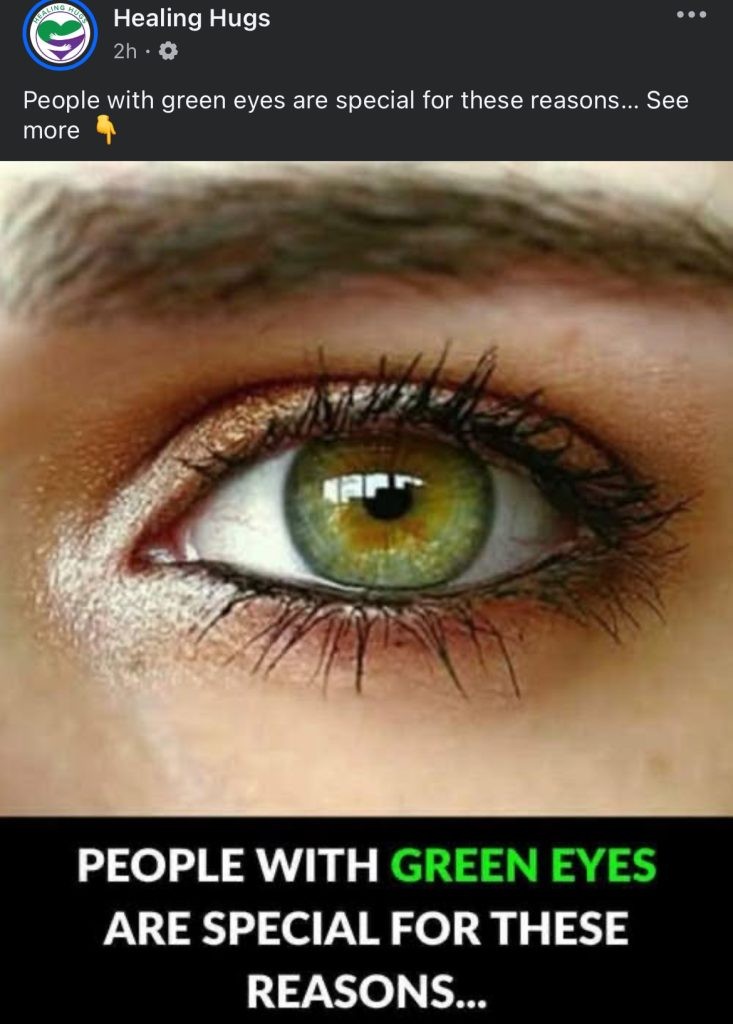

Green Eyes: Genetics, Rarity, and Cultural History
Green eyes are among the world’s least common natural eye colors. Their distinctive appearance has inspired art, literature, folklore, and scientific curiosity for centuries. While popular descriptions often portray green eyes as mysterious or changeable, modern research offers a clearer explanation: iris color is shaped by genetics, melanin, light scattering, and individual anatomy.
How Rare Are Green Eyes?
Green eyes are widely estimated to occur in roughly 2% of the global population, although exact figures vary because countries do not routinely collect eye-color data and definitions of “green” can differ. Green is generally considered rarer worldwide than brown and blue eyes, with brown being the most common eye color globally.
Green eyes are reported more frequently in parts of Northern, Central, and Western Europe than in many other regions. They can be found in populations across Ireland, Scotland, England, Iceland, the Netherlands, Germany, Hungary, and other European countries. However, eye color does not define nationality, ethnicity, personality, or ancestry. People with green eyes live throughout the world, and genetic variation is far more complex than simple regional labels suggest.
The relative scarcity of green eyes can make the color seem especially noticeable in communities where darker brown eyes are predominant. Yet rarity is not a measure of value or attractiveness. Eye-color preferences are subjective and shaped by individual experience, cultural trends, media, and historical associations.
What Makes Eyes Look Green?
The colored part of the eye is called the iris. Contrary to a common assumption, green eyes do not contain green pigment in the same way that hair or skin may contain visible pigments. Their appearance results primarily from the amount and distribution of melanin in the iris, combined with the way light interacts with its tissues.
Melanin is a natural pigment that contributes to the color of the eyes, skin, and hair. Brown eyes usually contain more melanin in the front layers of the iris. Blue eyes have relatively little melanin; their blue appearance is associated with light scattering, rather than blue pigment. Green eyes generally have a moderate amount of melanin and a combination of light-scattering effects that can create green, hazel-green, gray-green, or golden-green tones.
The iris is not a flat, uniform surface. Its fibers, pigments, blood vessels, and structural patterns vary from person to person. These features can give green irises considerable visual depth. Some people have a darker ring around the outside of the iris, known as a limbal ring, while others have a different color close to the pupil. This latter pattern can be called central heterochromia when it is pronounced.
Why Green Eyes Can Seem to Change Color
Many people with green or hazel eyes notice that their eyes can appear lighter, darker, or more golden in different settings. In most cases, the actual pigment in the iris has not changed. Instead, perceived color changes because of lighting, clothing, surrounding colors, pupil size, photographs, and the observer’s viewing angle.
Natural daylight, indoor lighting, and camera flash can each emphasize different features of the iris. A green eye may appear brighter outdoors, more gray in cool lighting, or warmer when surrounded by gold, brown, or red tones. Makeup and clothing can also influence contrast, making certain shades within the iris more visible.
Emotions do not directly alter a person’s eye pigment. However, emotional responses can affect pupil size and facial expression, which may change how the iris is seen. This is one reason people may feel that eyes appear different during moments of excitement, stress, happiness, or fatigue. Such visual changes are generally temporary and related to light and perception, not a transformation of the eye’s underlying color.
The Genetics of Green Eye Color
Eye color is inherited, but it is not controlled by one simple “brown gene” or “blue gene.” Scientists now understand that multiple genes influence iris pigmentation. Variations in and around genes including OCA2 and HERC2 are strongly associated with eye-color differences, especially the distinction between many blue and brown eye patterns. Other genes also contribute to the final appearance of the iris.
Because eye color is polygenic, meaning influenced by many genes, predicting a child’s eye color from the parents’ eye colors alone is unreliable. Two parents with brown eyes may have a child with lighter eyes, while parents with lighter eyes can sometimes have a child whose eyes are darker than expected. Family history across several generations can matter.
Green eyes should not be treated as proof of a specific ethnic background or ancient lineage. Although lighter eye colors are more frequent in some European populations, the genetics of human migration and inheritance are complex. Broad claims that green eyes originated in one historical period or from one ancestral group are not supported by enough evidence to describe any individual’s heritage with certainty.
Most babies are born with eyes that may look blue-gray or slate-colored because melanin production in the iris can continue after birth. Eye color often becomes more stable during infancy and early childhood, though subtle changes in shade can still occur later. A significant new change in eye color during adulthood should be discussed with an eye-care professional, particularly if it affects only one eye or occurs with pain, redness, or changes in vision.
Green Eyes in History, Art, and Folklore
Green eyes have held different meanings across cultures and historical periods. Literature and art have often used eye color as a visual detail to suggest individuality, beauty, jealousy, mystery, intelligence, or emotional intensity. These meanings are cultural symbols rather than scientific facts.
In parts of medieval Europe, unusual physical characteristics could become targets of superstition. Historical records show that accusations of witchcraft and social suspicion were influenced by religious conflict, political pressure, gender inequality, local disputes, and fear during periods of instability. Physical features, including eye or hair color, sometimes appeared in folklore and stereotypes, but they were never legitimate evidence of wrongdoing.
Modern audiences generally view green eyes through a more personal and aesthetic lens. Films, novels, fashion photography, and advertising may emphasize their rarity, but these portrayals can also simplify the extraordinary range of natural human appearance. Every iris has its own pattern, and green eyes themselves encompass many shades, from pale gray-green to deep olive and emerald-like tones.
Do Green Eyes Need Special Sun Protection?
Eye health advice is important for everyone, regardless of eye color. Some research and clinical guidance suggest that people with lighter-colored irises may be more likely to experience discomfort from bright light, often called light sensitivity or photophobia. This does not mean that every person with green eyes has light sensitivity, nor does it mean green eyes automatically cause eye disease.
Sun protection is a sensible part of general eye care. The American Academy of Ophthalmology advises wearing sunglasses that block 99% to 100% of both UVA and UVB radiation when outdoors. A hat with a brim can offer additional protection, particularly during prolonged exposure to strong sunlight, near water, snow, or sand, where reflected light can be intense.
Quality sunglasses should be chosen for verified UV protection rather than lens darkness alone. Dark lenses without adequate UV filtering may be less protective because pupils can widen behind the lenses. Wraparound styles may provide more coverage from light entering at the sides, while prescription sunglasses can be useful for people who need vision correction.
Regular eye examinations are also valuable for people of every eye color. An optometrist or ophthalmologist can assess vision, eye pressure, retinal health, and other factors that are not visible without specialized equipment. Anyone experiencing persistent eye pain, sudden vision changes, flashes of light, new floaters, marked redness, or a noticeable change in one iris should seek professional medical advice promptly.
Common Myths About Green Eyes
Because green eyes are relatively uncommon, they have attracted many myths. One popular belief is that eye color reveals personality traits. There is no reliable scientific evidence that green-eyed people share a particular temperament, intelligence level, emotional style, or behavior. Personality develops through a broad combination of biology, life experiences, relationships, culture, and environment, not iris color.
Another misconception is that green eyes are always inherited in a predictable way. In reality, the many genes involved in pigmentation make simple schoolbook inheritance charts incomplete. They can be useful as a basic introduction to genetics, but they cannot accurately forecast every family outcome.
It is also inaccurate to assume that all light eyes have identical health implications. Eye health depends on many factors, including age, family medical history, ultraviolet exposure, medications, overall health, and access to regular care. Eye color is only one visible feature among many.
Why Natural Eye Diversity Matters
Green eyes are a striking example of human biological variation. Their color emerges from ordinary processes of inheritance and light interaction, yet the result can look remarkably distinctive. Understanding the science behind eye color can replace myths with appreciation for the diversity found in human populations.
Whether eyes are brown, blue, green, hazel, gray, or another natural shade, they deserve the same practical care: UV protection, routine examinations, and prompt attention to unusual symptoms. The most meaningful aspect of eye color is not a stereotype or a historical legend, but the individual person behind it.
Sources
Disclaimer: This content is intended for entertainment purposes only and is not based on real events.