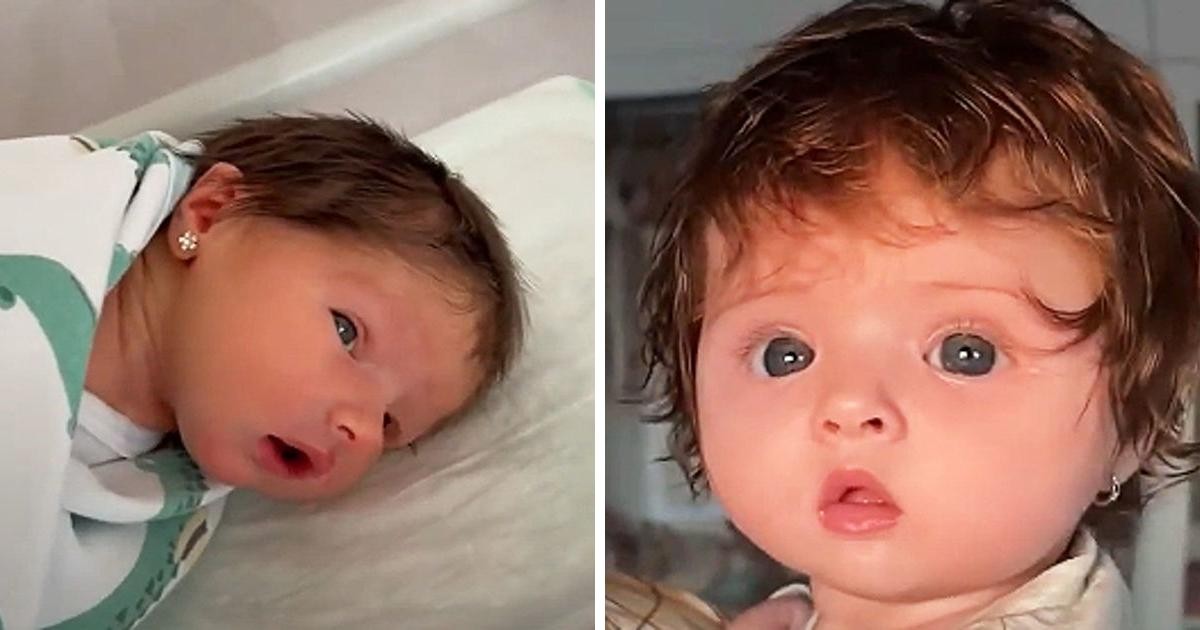

Mom Of Infant Daughter Criticized For Piercing Her Child’s Ears At 1 Day Old Since She Doesn’t Need Earrings
Understanding Ear Piercing in Infants: Cultural Practice and Medical Perspectives
Ear piercing is one of the most widespread and enduring forms of body modification in societies across the globe. From tribal traditions to contemporary fashion trends, pierced ears often carry cultural, religious, or aesthetic significance. Earrings serve as accessories that help individuals express their identity and, in many cultures, mark important milestones in life.
Despite its popularity, the process of ear piercing, especially in infants, generates considerable debate among parents, medical professionals, and society at large. While the act itself is generally safe when performed correctly, it is not without risk. Awareness of possible complications, best practices, and cultural nuances is critical in understanding this phenomenon and the controversy it occasionally incites.
Medical Considerations: When Is It Safe to Pierce a Baby’s Ears?
The subject of infant ear piercing has been rigorously discussed within medical circles. Health experts point out that piercing a child’s ears is generally a straightforward procedure, but it is accompanied by potential risks such as infection, allergic reactions, and pain. According to Healthline and guidance from pediatricians, many recommend waiting until the baby is at least four months old. This timing is largely regarded as safe due to the completion of the first two tetanus vaccinations, which can bolster the immune system and mitigate the risk of infections.
Complications related to ear piercing in infants are typically minor, including bruising, swelling, or the formation of keloids (overgrown scar tissue). However, in rare cases, severe infections or allergic reactions may occur, emphasizing the importance of sterility, professional handling, and post-piercing care. The American Academy of Pediatrics (AAP) also suggests opting for earrings made from hypoallergenic materials, such as surgical stainless steel, to further minimize risk.
Despite these guidelines, some parents choose to pierce their child’s ears well before the suggested age, often influenced by cultural practices or personal preferences. The key medical consensus is that, if parents pursue early ear piercing, it should be done by a trained professional in a sterile environment and followed by diligent care.
Cultural Significance: Traditions vs. Modern Parenting
In many cultures, piercing infants’ ears is a rite of passage, signifying religious or family heritage. For example, in Latin America and South Asia, babies (particularly girls) often have their ears pierced within days or weeks of birth. This tradition is seen as a loving gesture, marking the child’s entry into the family or faith.
However, modern parenting philosophies increasingly prioritize child autonomy and consent, sparking debate about whether parents should make cosmetic decisions for their children. The question arises: Should ear piercing wait until children are old enough to give their informed consent? Some parents prefer postponing the procedure until their child can choose, while others cite tradition or practicality in opting for early piercing.
These opposing viewpoints reflect the dynamic interplay between generational customs and contemporary attitudes toward child welfare, identity, and bodily autonomy. As societies grow more diverse and interconnected, the conversation regarding infant ear piercing has expanded, inviting perspectives from both medical experts and cultural advocates.
A Viral Controversy: The Case of Lara’s Ear Piercing
Recently, the debate gained fresh momentum when a mother shared moments from her newborn daughter, Lara’s life, on social media platforms TikTok and Instagram. Lara was born on January 20, 2022, and, according to her mother’s posts, had her ears pierced only a day after birth. The mother, excited to document and share the milestones of parenthood, posted videos of Lara in various stages — both in the hospital and at home — with her pierced ears clearly visible.

This action sparked immediate and widespread reaction online. In a video posted in June 2022, titled “The time past too fast. Missing you being this small,” viewers noticed Lara’s ear piercings and expressed concern. A previous post compared Lara at one day old to three months old, with both clips showing her earrings. The comments section became a forum for critical discussions about the appropriateness of infant ear piercing.
Some users voiced strong disapproval, emphasizing the child’s lack of consent and sensitivity to pain. Statements such as “Why shouldn’t they get a choice if they want their ears pierced or not?” and “She’s a baby! She doesn’t need earrings!” highlighted the belief that parents should wait until their children are mature enough to decide for themselves.
Conversely, other viewers defended the mother’s choice, citing familial tradition or personal experience: “I got my ears pierced at 3 months old. My mom got hers done same day in the hospital. Leave the choice up to the family. We love our piercings,” wrote one supporter.
Analyzing Public Reaction: Online Discourse and Cultural Division
The viral nature of Lara’s story exemplifies how social media amplifies parenting controversies. Comments ranged from criticism to support, with some users referencing cultural norms that normalize early piercings and others stressing individual rights and parental discretion. This wide array of opinions mirrors the global divide over the subject.
Despite ongoing criticism, Lara’s mother continued sharing photos and videos, often displaying different earrings on her daughter. The consistent display of jewelry drew attention, both positive and negative, and contributed to sustained discussion on parental responsibility.
Lara’s mother has amassed significant social media presence, with over 382,000 followers on Instagram and 4.2 million on TikTok. Videos like the July 9, 2022 TikTok, which showed Lara with small hoop earrings, attracted comments celebrating Lara’s cuteness and dismissing the controversy: “Personal opinion… She is adorable and I totally love the earrings… Who cares what other people say… We live one life…” expressed one supporter.
Others questioned the legality of piercing infants’ ears, wondering about minimum age requirements. In many jurisdictions, there is no specific law prohibiting infant ear piercings, and hospitals or licensed professionals typically rely on parental consent.

Social media’s role as a platform for debate, advocacy, and information sharing is undeniable. The case of Lara’s ear piercing illustrates how parenting choices can become flashpoints for broader discussions about tradition, medical standards, and evolving ideas about children’s autonomy.
The Expert View: Pediatricians and Medical Organizations
Pediatricians and medical authorities maintain a cautious yet pragmatic stance regarding infant ear piercing. The American Academy of Pediatrics (AAP) states that there is no medical reason to avoid ear piercing at any particular age, provided it is performed safely. The AAP recommends waiting until the child is old enough to care for the piercing themselves, or, if parents choose earlier piercing, ensuring that a sterile technique and proper aftercare are followed.
Aftercare is critical in preventing complications. Cleaning the site regularly, avoiding touching with unwashed hands, and monitoring for signs of infection (such as redness, swelling, or discharge) are essential steps. Hypoallergenic earrings, like those made of surgical stainless steel or gold, are preferable to minimize allergic reactions.
Some experts recognize that infants are less likely to play with or pull out their earrings, potentially reducing risk compared to toddlers. However, they emphasize that the procedure is ultimately a parental choice, best guided by a combination of medical, cultural, and ethical factors.
International Perspectives: Laws and Practices Across Countries
Globally, the approach to infant ear piercing varies. In nations such as Mexico, India, Spain, and the Philippines, early infant ear piercing is routinely performed and celebrated. Conversely, in countries like the United States and United Kingdom, the procedure is less common and opinions are sharply divided.
Regulatory oversight also differs. While no federal law in the U.S. prohibits infant ear piercings, individual states or medical institutions may impose minimum age requirements or restrict procedures to licensed professionals. In the UK, recommendations from the National Health Service (NHS) stress sterilization and parental consent but do not issue age-based prohibitions.
This landscape, shaped by tradition, regulatory frameworks, and social change, underscores the complexity of the issue. Parents must navigate contrasting advice while weighing their cultural heritage, community standards, and personal beliefs.
Societal Reactions and the Power of Online Media
The case of baby Lara has become a focal point for global discussion, reflecting how deeply parenting decisions resonate with broader societal values. The internet connects individuals and communities, enabling constructive dialogue but also exposing families to intense scrutiny.
Supporters of Lara’s mom argue that parents should be free to make personal choices, while critics underscore the necessity for child autonomy and medical caution. The resulting discourse is not just about earrings, but about how societies interpret tradition, modernity, and the rights of the child.
Conclusion: Navigating Controversy With Evidence and Compassion
Ear piercing in infants continues to be a subject of rigorous debate. The case of Lara’s pierced ears exemplifies how cultural practices, medical advice, online influence, and societal values intersect in modern parenting. Medical authorities advise caution and emphasize safety; cultural traditions spotlight the meaning and ritual; parents weigh personal preference and community expectations.
The debate ultimately revolves around balancing heritage, autonomy, and child welfare. As social media and global connectivity grow, such questions will continue to shape family decisions and public sentiment. The conversation around infant ear piercing is a microcosm of broader questions on parenting, culture, and ethics.
No matter where one stands, informed decision-making — grounded in evidence, empathy, and respect for tradition — will remain the cornerstone of parenting in a changing world.
Sources
Disclaimer: This content is intended for entertainment purposes only and is not based on real events.
