
Educational purpose only. This post documents historical practices related to executions and aims to educate about historical procedures. We do not glorify violence or hate.
Why Were Sword Execution Victims Forced to Kneel?
In a sword execution, the victim was almost always forced to kneel before the executioner. This position was not a random choice—it served both practical and symbolic purposes. This article examines the reasons why kneeling was the standard posture for sword beheadings.
1. The Primary Reason: A Clear Path for the Sword
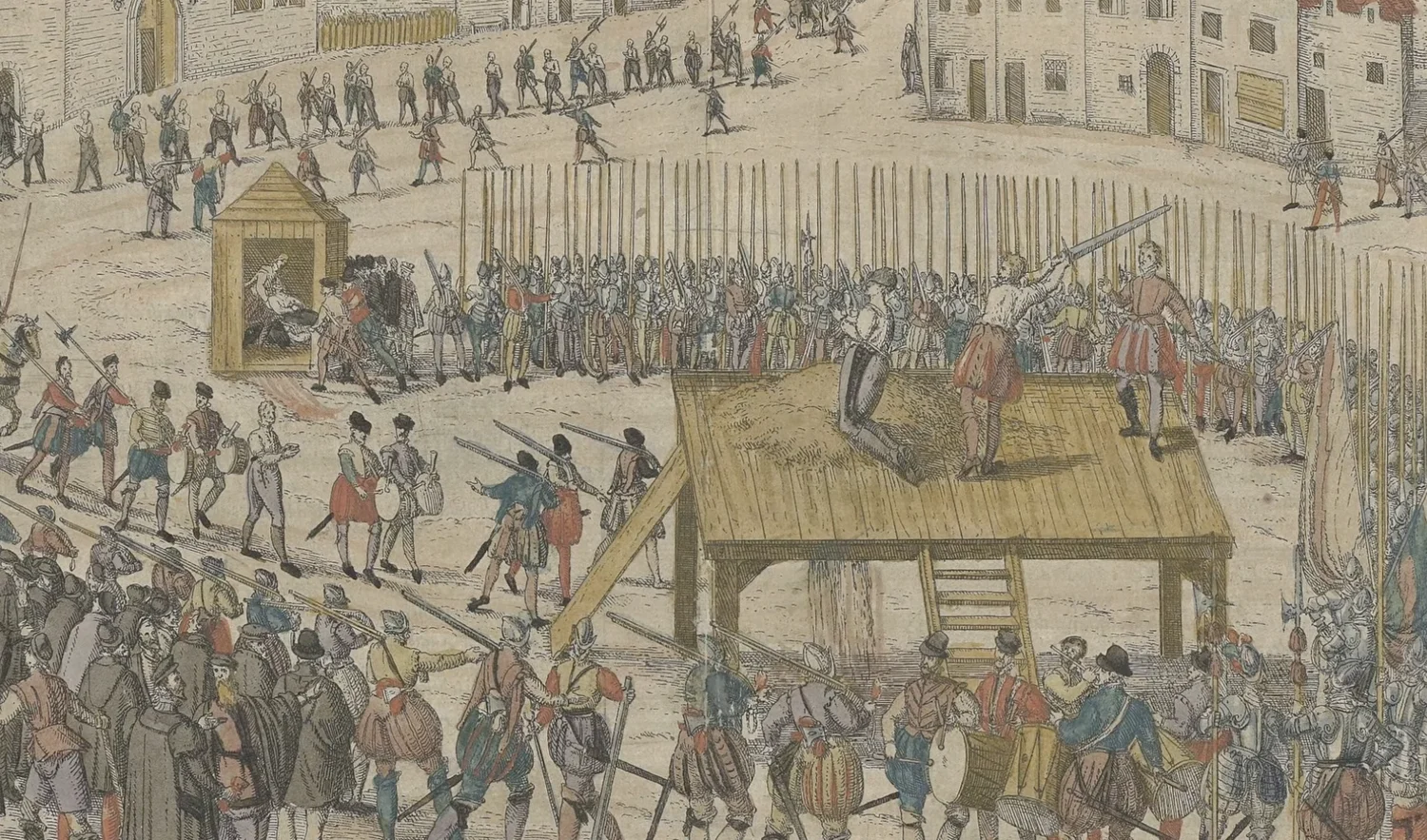
The kneeling position was, above all, a practical necessity. A kneeling victim provided the executioner with a clear, stable, and accessible target—the neck.
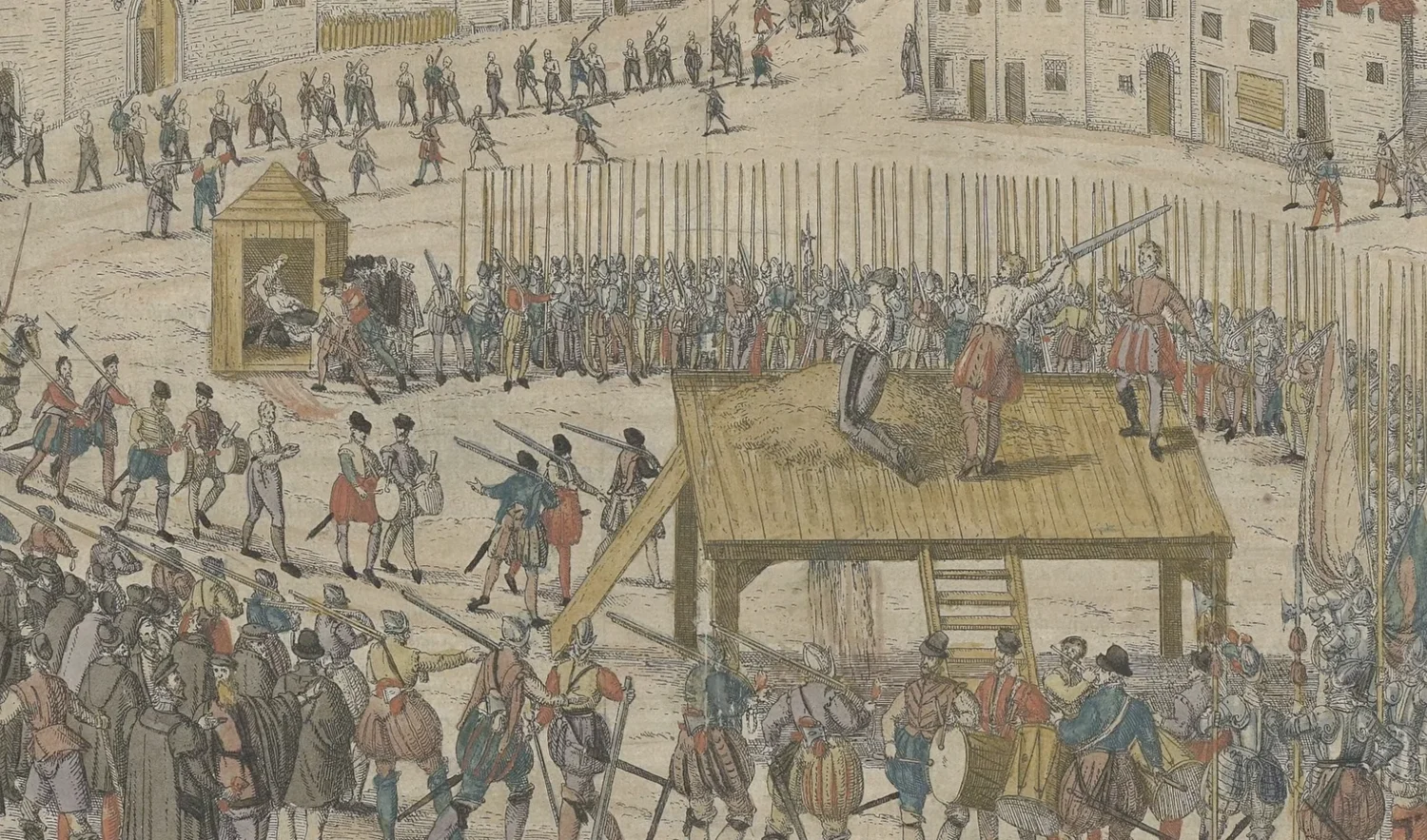
During a sword execution, the executioner typically used a sweeping horizontal or diagonal cut. If the victim were standing, the head would be too high, making it difficult for the executioner to deliver a clean, powerful blow from a stable stance. According to historical accounts, those being beheaded by the sword “were instructed to kneel upright and keep very still if they wanted to avoid being horrifically injured” .
In contrast, execution by axe often used a wooden block. The victim would lie stretched out on their stomach, allowing the executioner to swing the axe downward in a vertical arc . The block was necessary because the axe’s weight and design did not allow for the same sweeping motion as a sword. The sword’s longer blade and different balance made a horizontal cut more effective—and for that, a kneeling upright position was ideal .
2. The Method of Execution: Horizontal vs. Vertical Cut
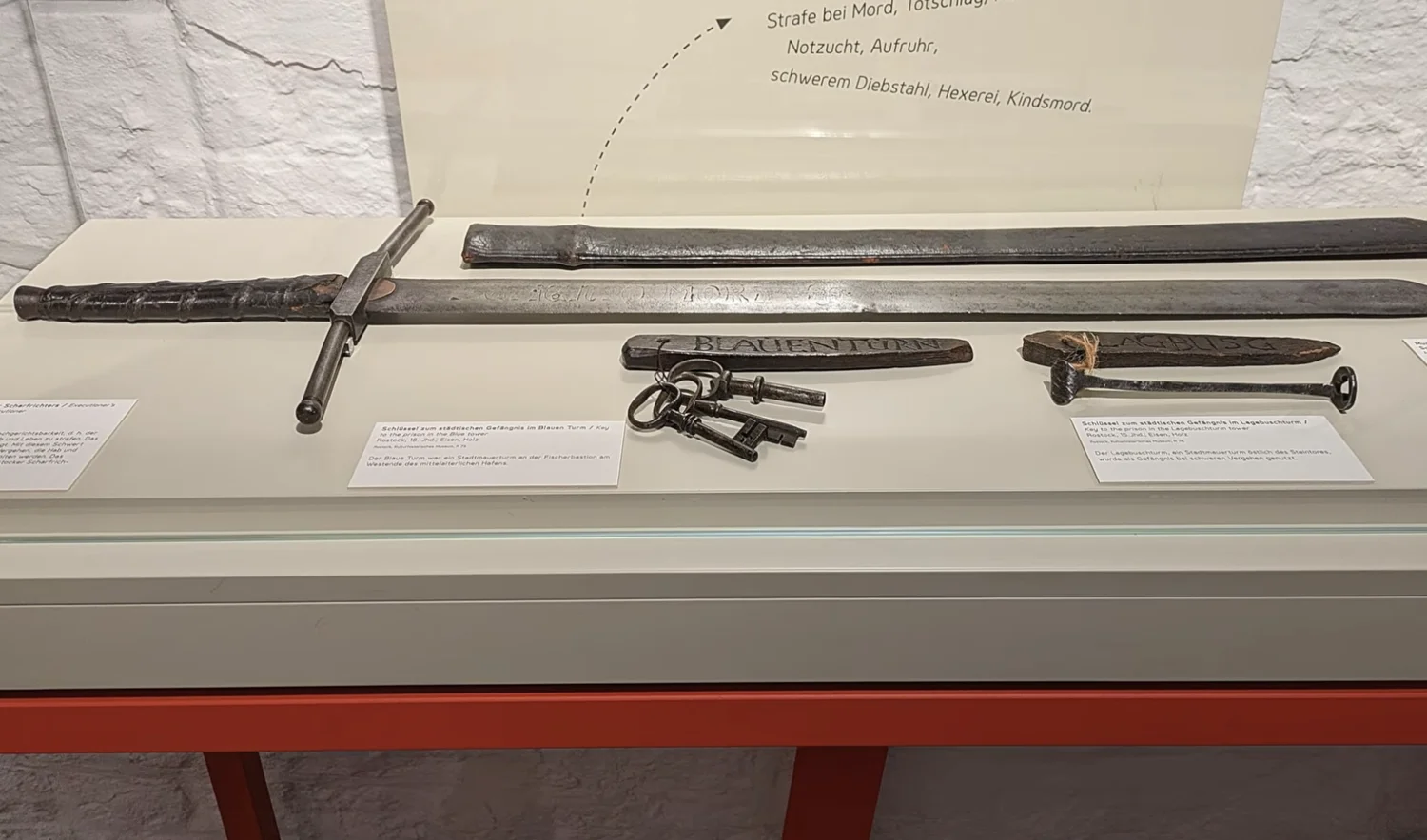
The way the sword was swung determined the victim’s posture.
Horizontal cut: Typically used in Europe and the Middle East. The victim knelt with their torso upright or nearly so. The executioner swung the blade horizontally, severing the head in one clean motion .
Vertical cut: Often used in China and other East Asian countries. The victim either stood bent forward or knelt with their head extending forward, allowing for a downward blow . In China, after the victim was placed kneeling, assistants would raise the victim’s arms, “which has the effect of throwing the head forwards,” exposing the neck for a single downward stroke .
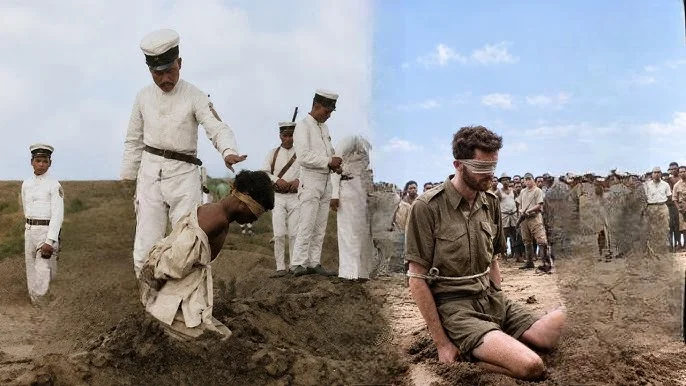
Some sources note that in Japan, a 45-degree downward cut on a kneeling prisoner was common practice .
3. The Symbolic Meaning: Submission and Shame
Beyond the practical considerations, kneeling was laden with symbolic meaning. In many cultures, kneeling was a gesture of submission, defeat, and acceptance of authority. Before execution, the criminal was tied to a stake and whipped . The act of kneeling demonstrated the condemned’s submission to the judgment of the state, the monarch, or the executioner .
For criminals of lower rank, the posture was also a form of humiliation. The condemned was forced to bow before an authority that had sentenced them to death, reinforcing the power dynamics of the state and the legal system. However, in some traditions, the posture was also associated with honor: kneeling was an act of respect and of bowing to a higher power, and the victim could be blindfolded or hold a cross during the process .
4. Class Distinctions: The Privilege of Kneeling
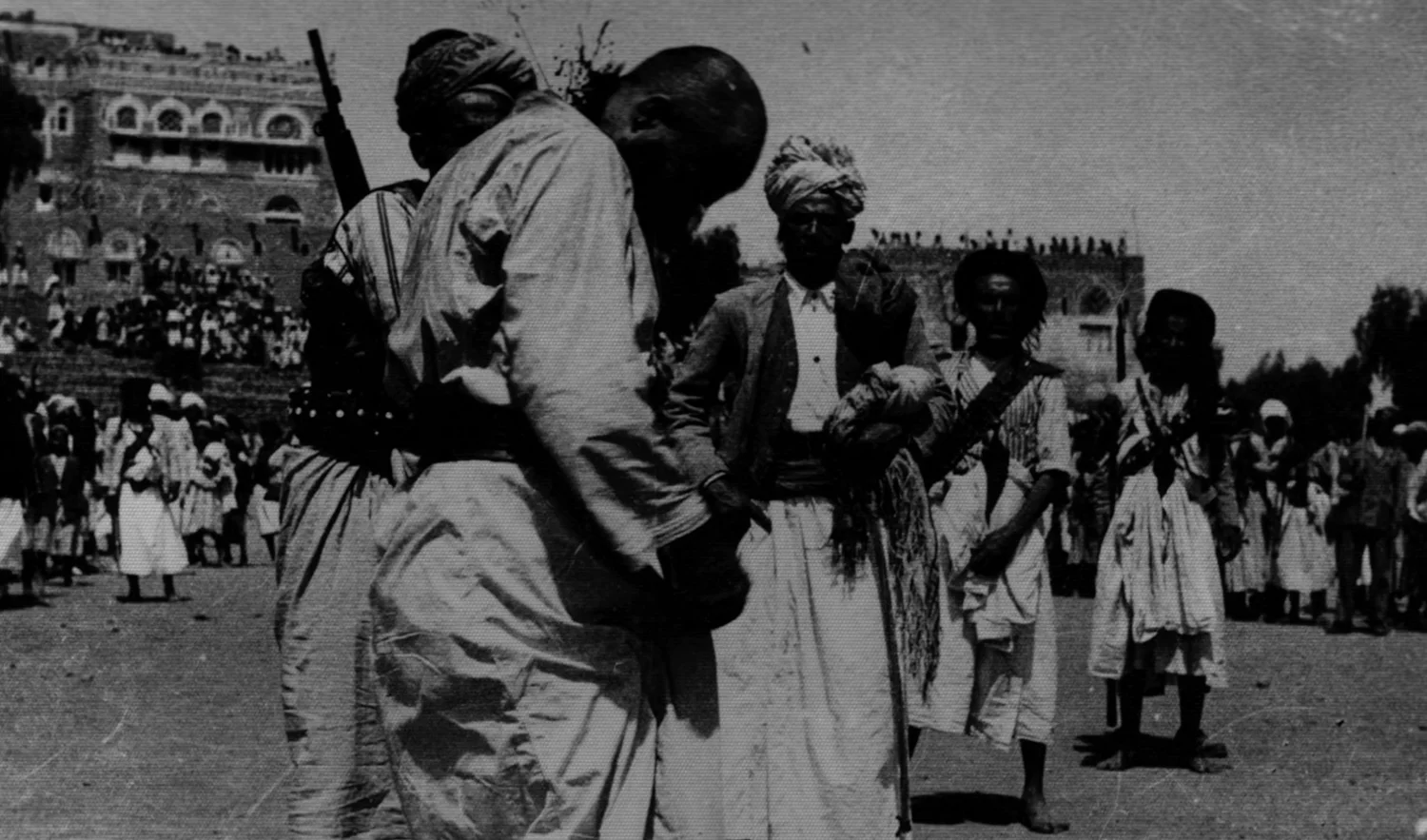
In medieval and early modern Europe, the method of execution often reflected the social status of the condemned.
Nobility and high status: Beheading by sword was reserved for offenders of high rank. The victim was made to stand or kneel upright, because a block would have impeded the downward stroke of the weapon . This posture was considered more honorable, as it was seen as the equivalent of being killed in battle . For example, Anne Boleyn was beheaded by sword while kneeling upright .
Commoners: Execution by axe, with the victim lying prone on a block, was considered a less dignified form of death .
In Chinese execution practice, however, all prisoners were forced to kneel in rows, regardless of status. The face-down position was not considered an honor—it was simply a practical requirement for the quick and efficient delivery of the blow .
5. The Danger of Movement: Why Kneeling Was Safer
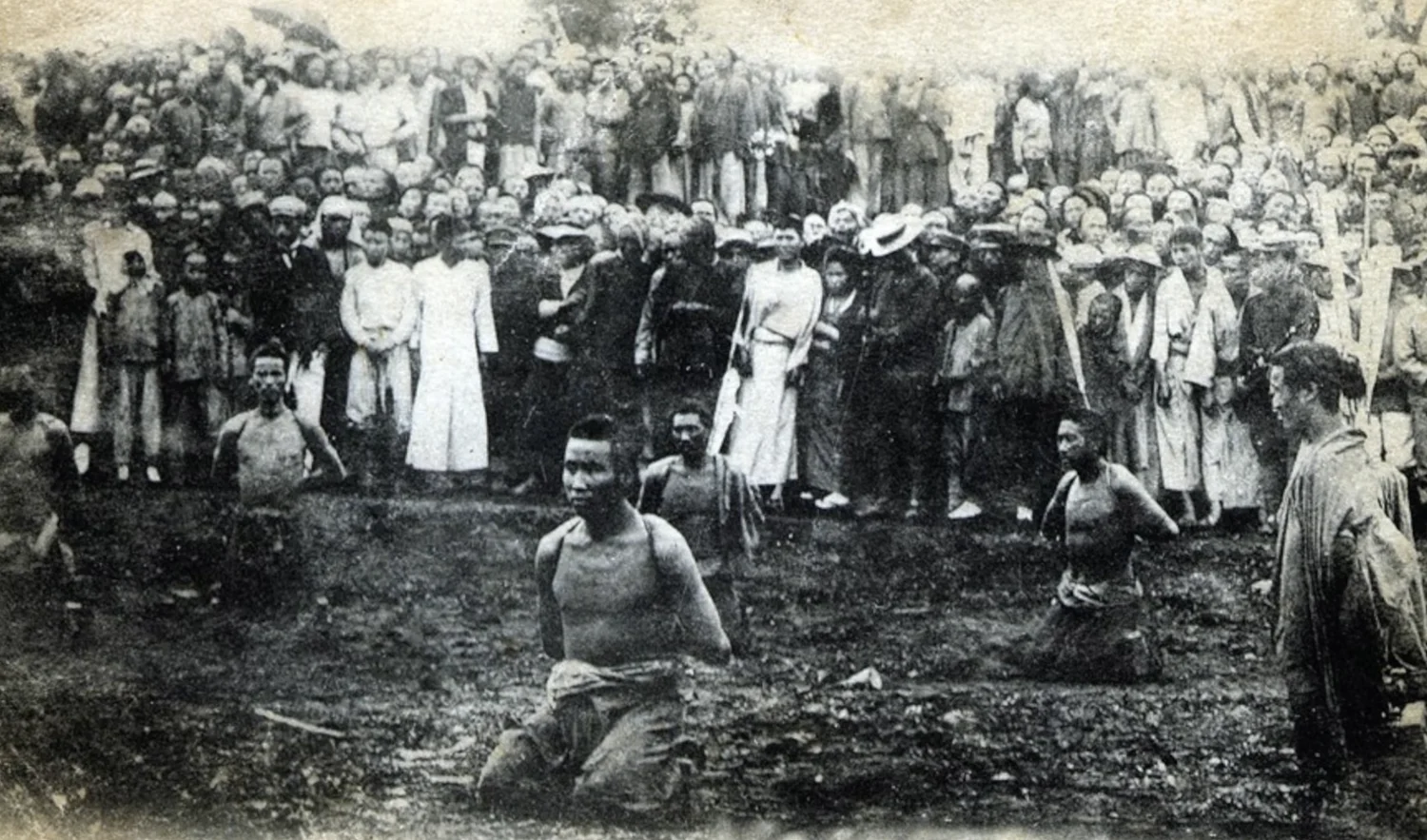
When a victim was forced to kneel, the executioner could better control the positioning of the head, ensuring a clean stroke. If the victim moved—whether due to fear, an attempt to resist, or a spontaneous flinch—the executioner risked a missed or botched blow, leading to a prolonged, agonizing death.
The Countess of Salisbury’s execution demonstrated the consequences of a victim who did not cooperate. In 1541, the elderly Countess refused to kneel and place her head on the block. The executioner pursued her around the scaffold, and it took eleven blows to sever her head—a gruesome spectacle that horrified the witnesses .
Primary Sources:
Historical accounts of beheading practices in Europe and Asia
Execution records, including the Countess of Salisbury (1541)
British and Chinese execution procedures documented in period accounts
Studies on the symbolism of kneeling in medieval and early modern cultures
