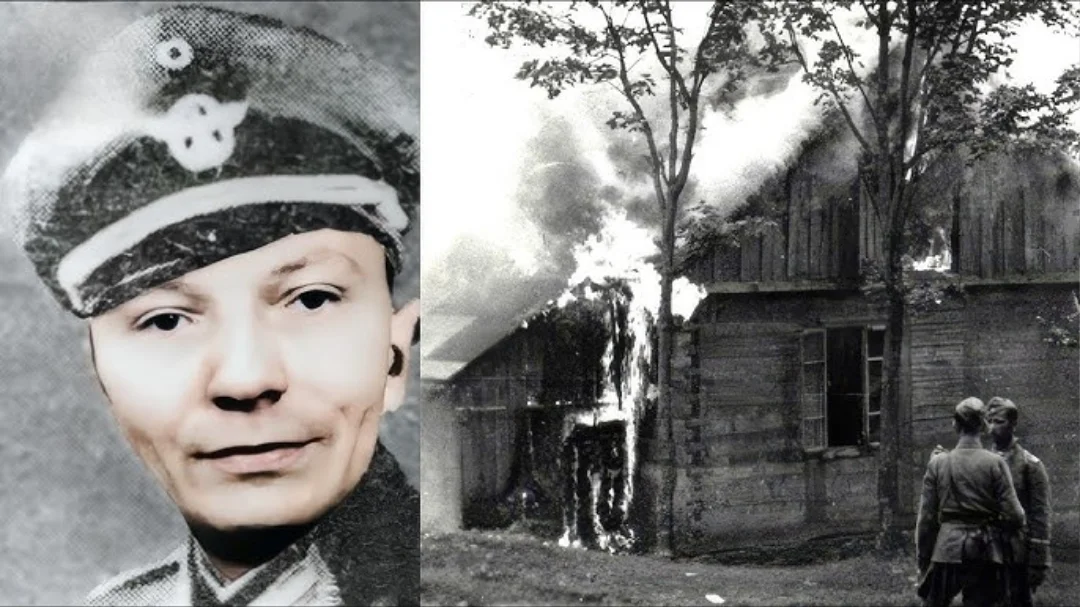

This historical record examines World War II war crime proceedings and the post-war legal reckoning in Poland. It is shared strictly for educational purposes, historical documentation, and to honor the memory of civilian victims.
A Dark Chapter of Wartime History
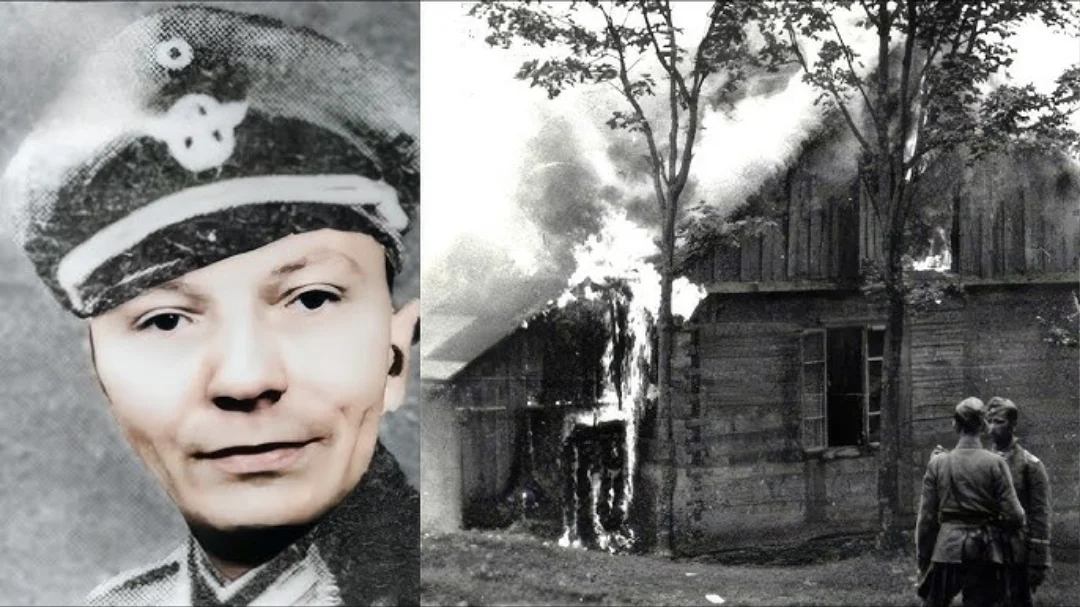
On December 23, 1947, in the courtyard of Montelupich Prison in Kraków, Poland, a 35-year-old former German paramilitary officer stood before the scaffold. His name was Albert Schuster, a man who had served as a senior sergeant in the occupying gendarmerie during World War II.
In the regional archives of central Poland, his wartime actions became synonymous with the brutal pacification campaigns conducted across the Świętokrzyskie (Holy Cross Mountains) region. His post-war trial marked one of the significant legal proceedings conducted by the Supreme National Tribunal of Poland to address wartime atrocities committed against civilian populations.
Early Background and Ideological Alignment
Born in 1912 in Plauen, Germany, Schuster’s early career began in municipal law enforcement. During the early 1930s, he served as a motor-traffic control officer in Berlin. Following the political shifts in Germany in 1933, Schuster aligned himself closely with the ruling National Socialist ideology, joining party organizations early in their consolidation of power.
As the German regime expanded its military and paramilitary structures across occupied Europe, Schuster was transitioned from civil traffic enforcement to specialized police units. He was appointed as an instructor tasked with training security detachments deployed for counter-insurgency and anti-partisan operations in eastern occupied territories.
Historical records indicate that despite a brief internal disciplinary arrest in 1942 following a dispute with a superior officer, Schuster was reinstated into active command by high-ranking SS leadership—an indicator of how highly the regime valued officers who demonstrated absolute compliance and harsh operational efficiency.
Pacification Operations in the Świętokrzyskie Region
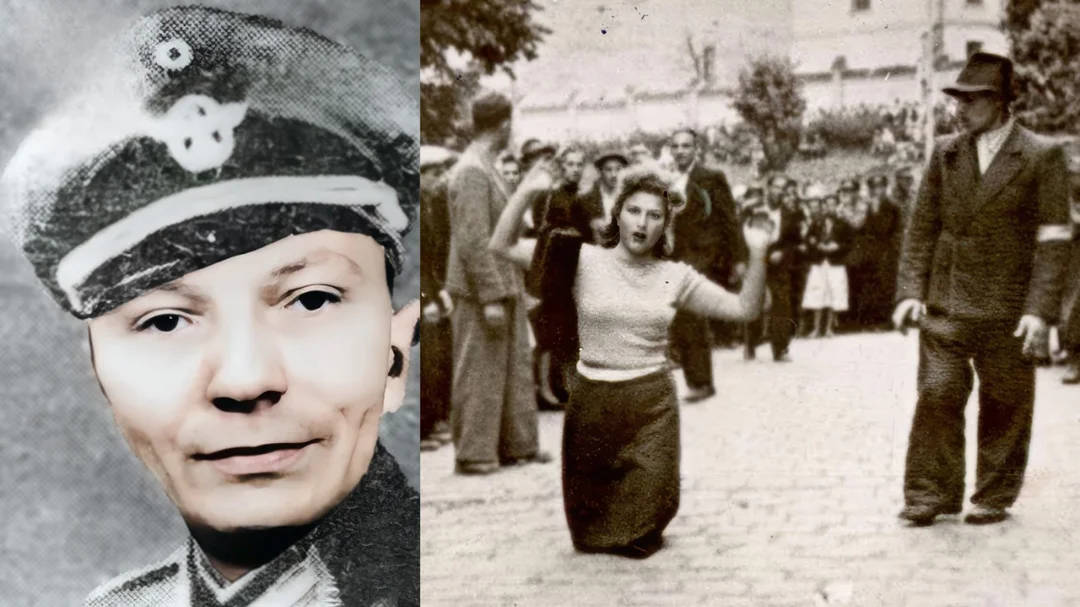
Beginning in early 1943, Schuster was deployed first to occupied Belarus and subsequently transferred to the Świętokrzyskie region of central Poland. This mountainous and heavily forested area had become one of the primary strongholds for the Polish underground resistance and Home Army operations.
Under the official directive of “pacification,” occupying forces sought to dismantle the resistance movement by targeting the rural civilian population that provided food, shelter, and logistical support to partisan fighters. Schuster commanded specialized gendarmerie units that carried out widespread destruction across local communities:
-
Destruction of Rural Settlements: Entire villages, including Michniów, Lipsk, Rząbiec, and Wólka Plebańska, were systematically targeted, looted, and burned to the ground.
-
Mass Reprisals: Hundreds of local residents, including non-combatant men, women, and elderly villagers, were executed during roundups or trapped inside agricultural structures set ablaze by occupying forces.
-
Psychological Warfare: Eyewitnesses recounted that Schuster executed commands with calculated detachment, frequently forcing surviving villagers to assemble and witness the destruction of their homes.
The severe measures enacted under his command left a lasting scar across the communities of the Holy Cross Mountains, where memory of the pacifications remained a central part of post-war local history.
Post-War Capture and the Kraków Trial
Following the collapse of the German occupation in early 1945, Schuster attempted to flee westward to avoid capture by advancing Soviet forces. However, he was apprehended by United States military authorities in western Germany later that year.
Recognizing the gravity of the allegations against him in occupied territories, Allied military authorities extradited Schuster to Poland in 1947 to face trial for war crimes. The legal proceedings were held before the Supreme National Tribunal in Kraków from September to October 1947.
During the trial:
-
Survivor Testimony: More than fifty survivors who had hidden in surrounding forests during the 1943 pacification campaigns provided direct testimony detailing the destruction of their villages and the loss of their families.
-
Archival Evidence: Documentation gathered by Polish investigative commissions compiled evidence linking Schuster’s command to the deaths of at least 1,300 civilians across central Poland.
-
Legal Verdict: On October 23, 1947, the tribunal found Albert Schuster guilty of war crimes and crimes against humanity, sentencing him to death.
The sentence was officially executed at Montelupich Prison on December 23, 1947.
Historical Reflection and Educational Significance
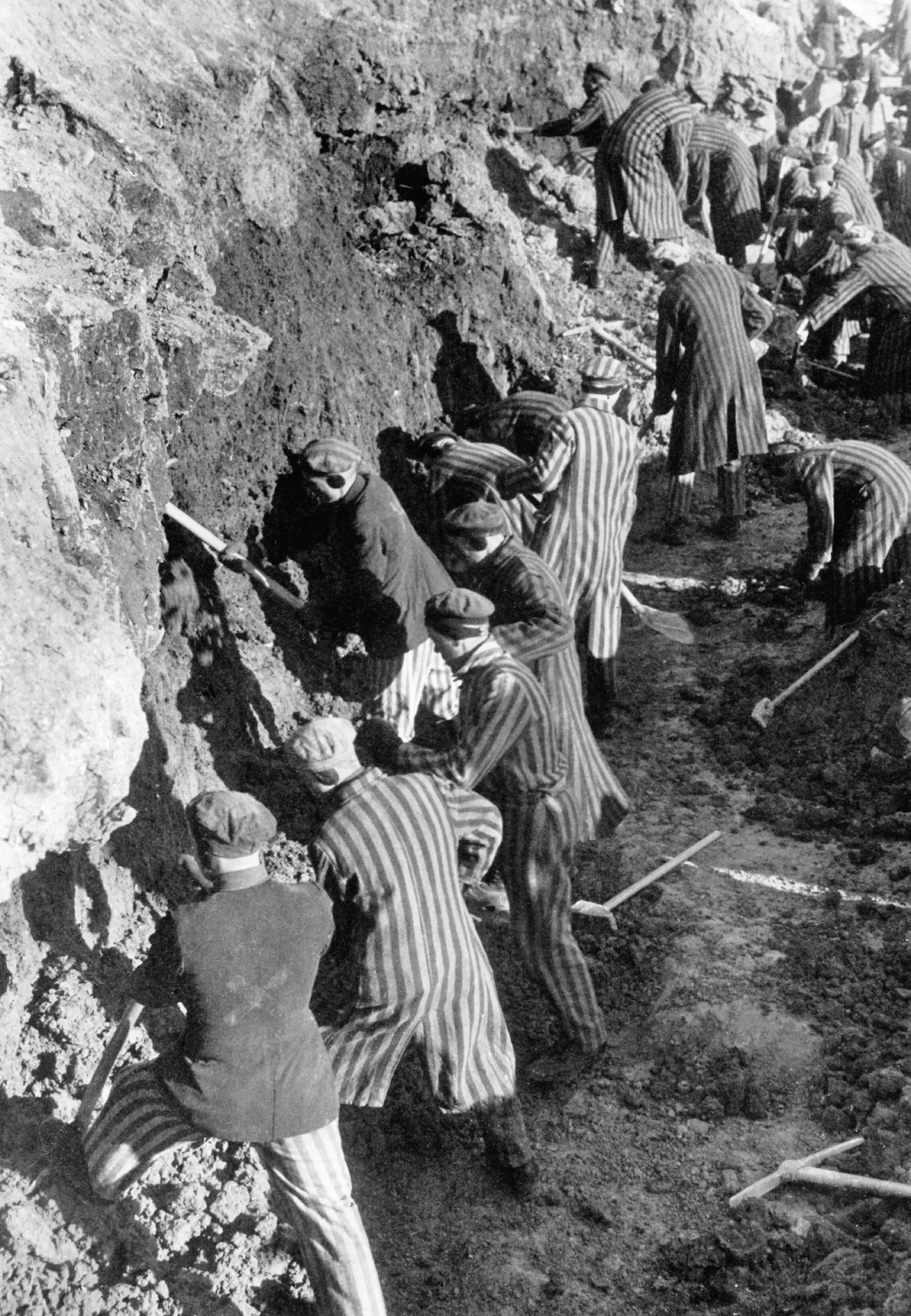
The post-war prosecution of individuals like Albert Schuster underscores the importance of international legal frameworks in holding perpetrators of wartime atrocities accountable. While judicial verdicts cannot restore lost lives or repair destroyed communities, historical documentation ensures that the experiences of innocent victims are preserved for future generations.
Examining these historical accounts serves as a vital educational tool, highlighting the dangers of total security state apparatuses, authoritarian ideology, and the human cost of conflict.
Archival & Primary Sources
-
Institute of National Remembrance (IPN), Poland: Official investigative files and trial transcripts concerning wartime pacification campaigns in the Świętokrzyskie region.
-
Supreme National Tribunal of Kraków (1947 Archives): Court records, witness depositions, and sentencing documents regarding Case Ref: Albert Schuster.
-
Home Army Museum Archives (Kraków): Historical documentation on regional resistance operations and civilian reprisal records (1942–1944)
