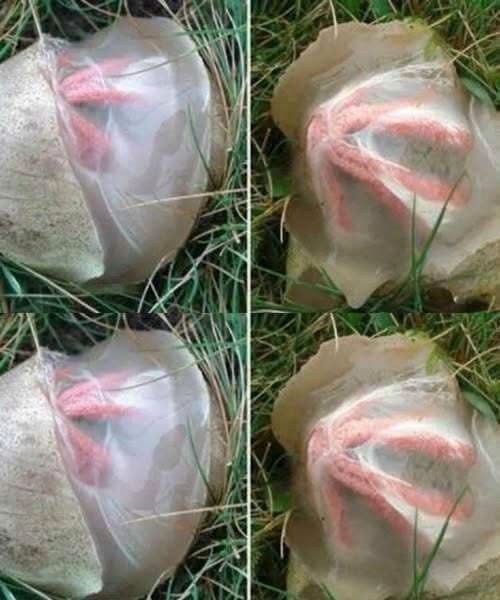

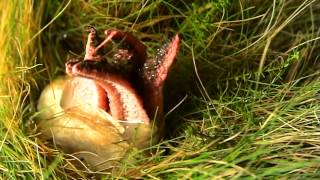
Gardens are full of surprises. One morning, while watering flowers and checking on healthy plants, everything seemed perfectly ordinary. Then, a flash of brilliant red near the edge of the garden immediately caught the eye.
Small, glossy, and unlike anything nearby, the mysterious object stood out against the surrounding greenery. Was it an unusual mushroom? A rare plant? A seed pod? Or simply something that had blown into the garden overnight?
Discovering unfamiliar plants or fungi can be both fascinating and puzzling. Fortunately, most mysterious garden finds have perfectly natural explanations. Before touching or removing them, it’s worth taking a closer look and learning what they might be.
Why Bright Red Objects Stand Out in Gardens
Most gardens are dominated by shades of green, brown, and seasonal flowers. A vivid red object naturally attracts attention because it contrasts sharply with its surroundings.
Nature uses bright colors for many different reasons, including:
- Attracting birds or insects
- Protecting seeds
- Signaling ripeness
- Helping fungi spread spores
- Camouflage among colorful flowers
While an unfamiliar red object may appear unusual, it is often simply part of a plant or fungus’s natural life cycle.
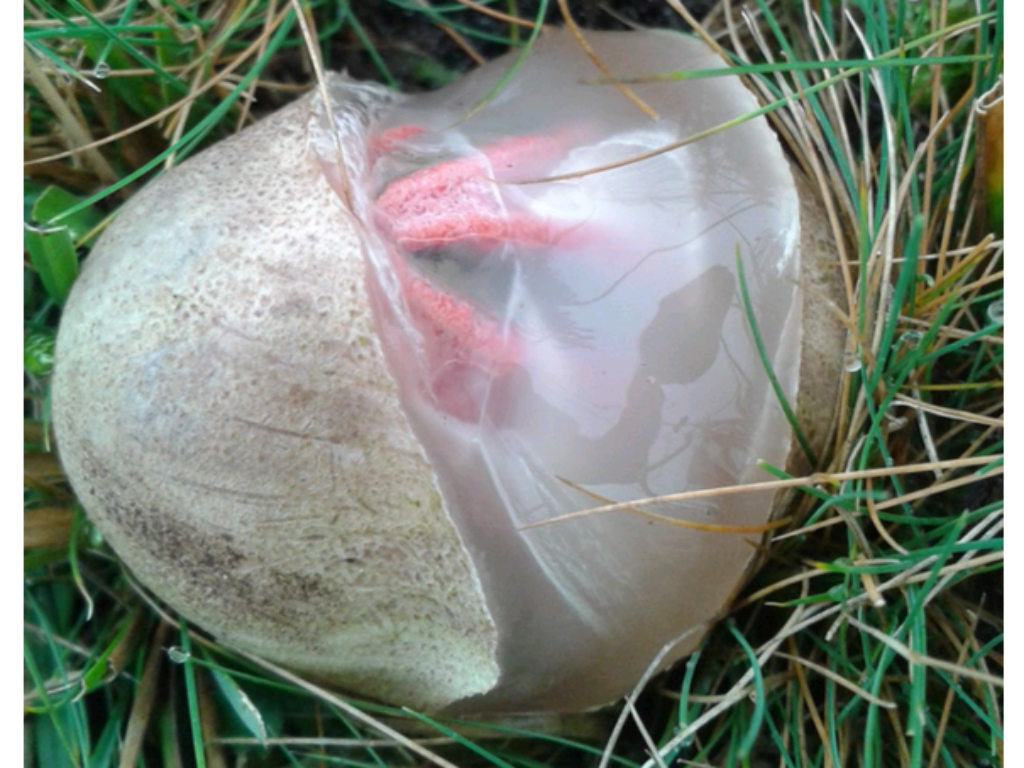
Common Bright Red Garden Discoveries
Several natural objects commonly surprise gardeners.
Scarlet Cup Fungi
One possibility is a scarlet cup fungus.
These small fungi appear as bright red or orange cup-shaped structures growing on decaying wood or damp soil during cooler seasons.
Although striking in appearance, they play an important ecological role by helping break down organic matter.
Red Waxcap Mushrooms
Some mushroom species produce brilliant red caps that almost look artificial.
Waxcaps often grow in grassy areas and undisturbed soil, particularly after periods of moisture.
Because mushroom identification can be difficult, experts recommend avoiding handling or consuming unidentified fungi.
Seed Pods and Fruit
Many ornamental plants produce colorful seed pods after flowering.
Depending on the species, these may appear glossy, bright red, or crimson and can easily be mistaken for something unusual.
Examples include:
- Peony seed pods
- Magnolia seeds
- Euonymus fruits
- Iris seed capsules
These structures help plants reproduce by attracting birds and other wildlife.
New Plant Growth
Young shoots from certain ornamental plants emerge with intense red coloring before gradually turning green.
This natural color change is caused by protective pigments known as anthocyanins, which help shield tender leaves from sunlight and environmental stress.
Could It Be a Fungus?
Fungi often appear suddenly after rain, leading many gardeners to believe they grew overnight.
In reality, most fungi spend much of their lives hidden beneath the soil.
The visible portion is simply the fruiting body that emerges when moisture and temperature conditions become favorable.
This rapid appearance is one reason unusual mushrooms often surprise homeowners.
Why Experts Recommend Not Touching Unknown Growths
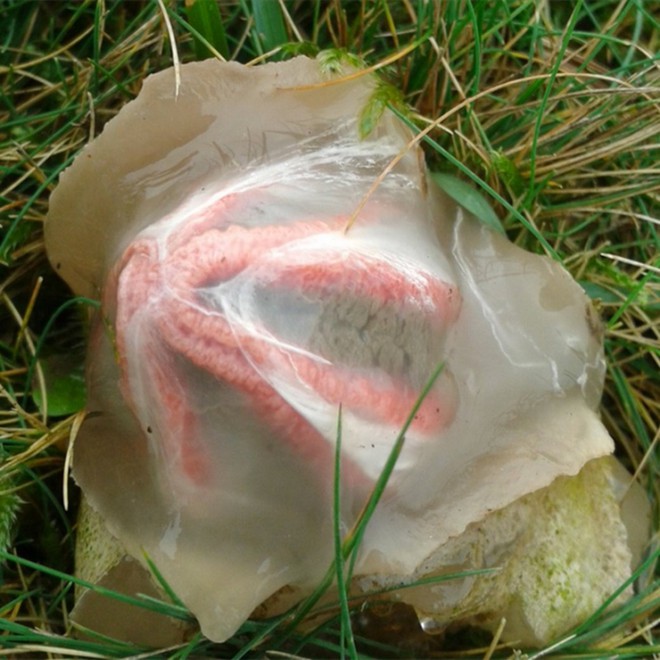
When encountering unfamiliar plants or fungi, caution is always a sensible first step.
Most garden discoveries are harmless, but identification based solely on appearance can be difficult.
Instead of touching the object immediately:
- Observe it from a short distance.
- Take clear photographs.
- Note its size, texture, and location.
- Look for nearby trees, wood, or decaying leaves.
- Consult local gardening groups or extension services if identification is needed.
Using photographs rather than handling unknown specimens is generally the safest approach.
The Science Behind Bright Red Coloration
Nature creates brilliant red colors using specialized pigments.
Anthocyanins
These pigments produce shades of red, purple, and blue in many flowers, fruits, and young leaves.
They also help protect plants from environmental stress.
Carotenoids
Although often associated with orange and yellow colors, carotenoids contribute to red coloration in some fruits and flowers.
Natural Fungal Pigments
Certain fungi produce vivid pigments that may help protect them from sunlight or other environmental conditions.
Scientists continue studying why some fungal species develop such remarkably bright colors.
Can Bright Colors Be Warning Signs?
Some people assume that anything brightly colored must be dangerous.
In reality, color alone does not indicate whether a plant or fungus is harmful or harmless.
Bright colors may simply serve ecological purposes such as:
- Attracting animals that disperse seeds
- Protecting tissues from sunlight
- Supporting reproduction
- Deterring some herbivores
Because appearances can be misleading, accurate identification is always more reliable than assumptions.
What Should You Do If You Find One?
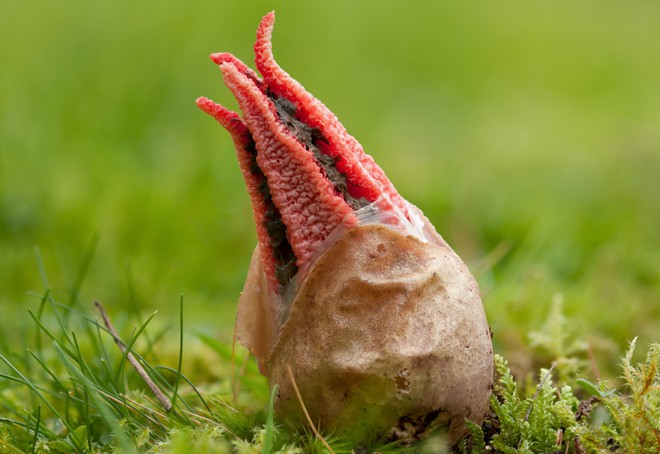
If you discover an unfamiliar bright red object in your garden, consider these simple steps:
- Stay calm and avoid touching it immediately.
- Take several photographs from different angles.
- Observe whether it is attached to wood, soil, or a plant.
- Monitor whether its appearance changes over several days.
- Contact a local gardening expert or extension office if you remain unsure.
Most discoveries turn out to be ordinary parts of local ecosystems.
Appreciating Nature’s Unexpected Surprises
Gardens constantly change throughout the seasons.
New plants emerge, fungi appear after rainfall, birds scatter seeds, and insects contribute to a thriving ecosystem. Occasionally, these natural processes create unexpected discoveries that spark curiosity.
Rather than viewing every unfamiliar object with concern, gardeners can treat these moments as opportunities to learn more about the remarkable diversity of the natural world.
Conclusion
Finding a bright red object among garden plants can certainly be surprising, especially when it appears overnight. Whether it is a colorful fungus, a seed pod, a young shoot, or another natural feature, the best response is careful observation rather than immediate action.
Nature is filled with fascinating colors, shapes, and life cycles that often seem mysterious at first glance. By taking time to identify unfamiliar discoveries and respecting the living organisms that share our gardens, we gain a deeper appreciation for the complexity of our local environment.
Human curiosity has always driven scientific discovery. Sometimes, a simple splash of unexpected color in a flower bed is enough to remind us that even our own backyards still hold wonderful surprises waiting to be understood.
Sources
- Royal Horticultural Society (RHS)
- Missouri Botanical Garden
- Royal Botanic Gardens, Kew
- USDA Forest Service – Fungi and Forest Ecology
- North American Mycological Association
- tbdig.com (used as background context; identification of any specific object requires direct observation or expert examination)
