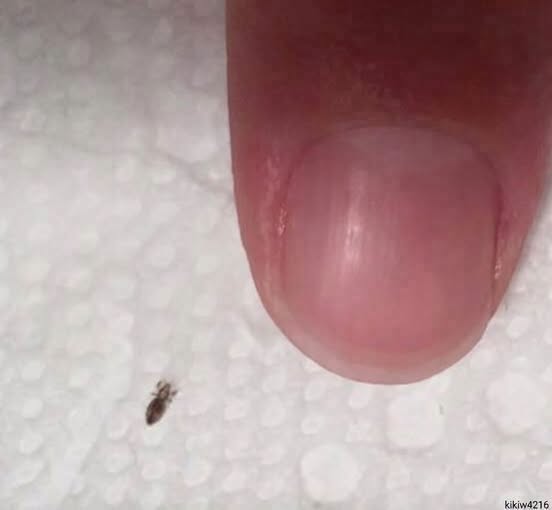

On a warm afternoon following a busy day at daycare, a young mother sat with her toddler to untangle his hair before bedtime. As her fingers moved through his soft curls, a tiny movement near the scalp caught her eye. She leaned closer, gently parting the hair, and spotted a tiny, wingless insect clinging to a hair strand. Her heart skipped a beat with a sudden rush of concern—what was this strange creature, where did it come from, and was her child in any danger? Taking a deep breath, she called her spouse, carefully captured the insect, and began examining it under a bright lamp. That initial moment of alarm soon gave way to relief as research confirmed what millions of parents encounter every year: a simple, harmless case of head lice.
This common household experience opens a doorway into a fascinating intersection of human history, biological adaptation, and cultural tradition. While the initial discovery of an unexpected parasite can cause brief anxiety, understanding these tiny organisms through both scientific research and historical folklore transforms a moment of stress into an empowering lesson in family health and resilience.
The Entomology of Pediculus humanus capitis: Adaptation and Survival
To understand head lice from a scientific perspective is to appreciate one of the most specialized organisms in the animal kingdom. Known scientifically as Pediculus humanus capitis, the head louse is an obligate parasite that has evolved exclusively alongside human beings for thousands of years.
Unlike ticks or fleas, head lice cannot fly, jump, or live on household pets. Their tiny bodies, measuring roughly the size of a sesame seed, are specifically built for climbing along human hair shafts. Their legs feature specialized claw-like structures perfectly shaped to grip individual hair strands with remarkable strength.
Medical entomologists emphasize an important fact that often alleviates parental worry: head lice do not carry or transmit infectious health conditions. While their presence can cause mild itching due to a minor skin reaction, they are entirely harmless from a medical standpoint. Their survival depends on staying close to the human scalp, where warmth and humidity provide an ideal microclimate.

Myth, Folklore, and Social Stigma: Cultural Views Through History
Throughout human history, tiny insects living in hair have generated a rich tapestry of cultural beliefs, folklore, and social misconceptions. In ancient societies, the sudden appearance of lice was sometimes interpreted through mythic lenses—viewed in some traditions as a sign of abundant physical vitality or as a natural test of patience and family care.
In classical folklore across various regions, mothers developed elaborate remedies passed down through generations. Treatments ranged from applying herbal oils infused with lavender, tea tree, or rosemary to meticulously combing the hair during specific moon phases.
Speculatively, social historians suggest that the persistent social stigma surrounding lice developed during early urbanization when crowded living conditions were misunderstood. Modern public health education has worked hard to dismantle these old myths, reassuring parents that finding a louse on a child is simply a routine part of childhood socialization, completely unrelated to household cleanliness.
Modern Prevention and Management: Combining Science and Hygiene
When parents confirm the presence of head lice, modern evidence-based practices offer clear, simple, and effective solutions. The primary method of transmission is direct head-to-head contact, which explains why young children in daycare and primary school settings are the most frequent hosts.
Healthcare professionals recommend a dual-action approach combining pediculicide treatments with manual removal. Over-the-counter and prescription shampoos work by disrupting the insect’s nervous system or physically coating them to halt their movement.
Because lice cannot survive off a human host for more than twenty-four to forty-eight hours, extensive household cleaning is rarely necessary. Washing bedsheets, hats, and hair accessories used in the preceding two days is more than sufficient to ensure complete peace of mind.

Psychological Comfort: Reassuring Children and Normalizing Experience
Beyond the physical steps of hair care, managing a child’s emotional reaction is an essential part of the process. Young children often absorb the stress or surprise expressed by their parents, making calm reassurance the most helpful initial step.
Child psychologists advise framing the situation as a minor, everyday occurrence—similar to getting a smudge of mud on a favorite shirt or catching a mild seasonal sniffle. Using gentle, educational language helps children understand what is happening without feeling self-conscious or anxious.
By maintaining a positive atmosphere, parents transform a routine health check into a bonding experience. Normalizing these minor events teaches children self-care, health literacy, and resilience in a supportive environment.

A Reflection on Human Curiosity and the Wonders of Nature
Our ongoing curiosity about the living world—even its smallest and most unexpected inhabitants—reflects a fundamental quality of human nature. When parents encounter a mysterious bug in a toddler’s hair and immediately seek out answers, they are guided by a protective instinct powered by a desire to learn. This same drive to understand the natural world has transformed ancient fears and superstitious myths into clear, empowering scientific knowledge.
We study biology, research entomology, and share practical health advice because we possess an innate need to care for our communities and make sense of our environment. This shared curiosity turns everyday challenges into meaningful learning opportunities, reminding us that knowledge is our best tool for navigating life’s small surprises.
Ultimately, encountering a head louse is a gentle reminder of our place within a vast, interconnected biological world. With accurate information, gentle humor, and prompt care, what begins as a moment of mild alarm quickly becomes a simple story of family care—proving once again that clear facts and loving patience can solve life’s tiny mysteries.
Sources
-
The Centers for Disease Control and Prevention (CDC): Public health guidelines regarding head lice biology, transmission facts, and treatment recommendations.
-
The American Academy of Pediatrics (AAP): Clinical guidance on managing head lice in school and early childcare settings.
-
The Journal of Medical Entomology: Peer-reviewed research on the evolutionary history and host adaptations of Pediculus humanus capitis.
-
The National Association of School Nurses (NASN): Educational resources regarding stigma reduction and best practices for school health policies.
-
The Mayo Clinic Health Library: Comprehensive medical overviews on identifying, treating, and preventing childhood hair parasites.
