
Anyone who has shared a home with a cat knows that life with a feline companion is full of surprises.
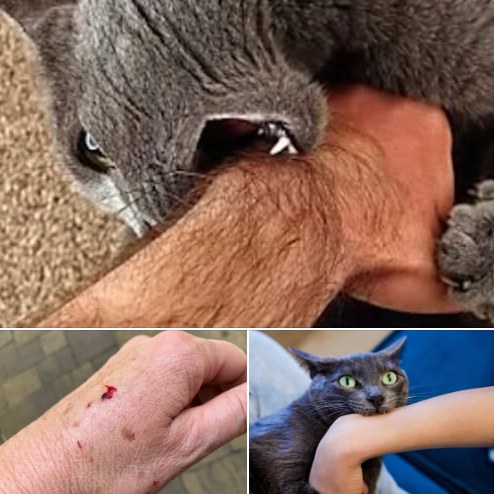
One moment, your cat is curled up beside you, purring contentedly while enjoying gentle petting. The next moment, seemingly without warning, they give your hand a quick nibble. The bite may not be painful, but it can leave you wondering what just happened.
Did your cat become angry? Were they trying to communicate something? Or could the bite actually be a sign of affection?
The truth is that cats use a variety of behaviors to communicate with humans, and biting is one of them. While some bites may signal discomfort or stress, others can be playful, affectionate, or simply a way for your cat to express a need.
Understanding why cats bite can help strengthen the bond between pets and their owners while ensuring that interactions remain safe and enjoyable for everyone involved.
Cats Communicate Differently Than Humans
One of the most important things to remember is that cats do not communicate in the same way people do.
Humans rely heavily on spoken language, facial expressions, and gestures. Cats, however, communicate through body language, vocalizations, scent marking, and physical interactions.
A cat’s tail position, ear movement, posture, and even eye contact can reveal valuable information about how they are feeling.
Biting is simply one of many communication tools available to felines.
To understand the meaning behind a bite, context matters.
The circumstances surrounding the behavior often provide the best clues.

Playful Biting: A Natural Part of Cat Behavior
One of the most common reasons cats bite is play.
Cats are natural hunters. Even domestic cats retain many of the instincts that helped their wild ancestors survive.
During play, cats often mimic hunting behaviors such as:
Stalking
Pouncing
Grabbing
Chasing
Gentle biting
Young cats and kittens are especially likely to engage in playful biting as they explore their environment and learn social skills.
Playful bites are usually:
Gentle
Brief
Accompanied by playful body language
Not intended to cause harm
Although playful nips may surprise owners, they are often a normal part of feline behavior.
What Are Love Bites?
Many cat owners are surprised to learn that some bites may actually be signs of affection.
Often called “love bites,” these gentle nibbles occur when a cat feels comfortable and bonded with a trusted person.
Affectionate bites typically happen during positive interactions such as:
Petting sessions
Cuddling
Lap sitting
Relaxed play
Purring
In these situations, the cat is not displaying aggression. Instead, the behavior may reflect social bonding patterns that originate from kittenhood and interactions with other cats.
These bites are generally soft and controlled.
Rather than causing injury, they function as a unique form of feline communication.
Understanding Petting-Induced Overstimulation
One of the most misunderstood reasons for cat bites is overstimulation.
Many cats enjoy affection, but each individual has a different tolerance level for physical contact.
As petting continues, some cats become overwhelmed by repeated sensory stimulation.
What begins as a pleasant experience can gradually become uncomfortable.
When a cat reaches this threshold, they may communicate through subtle warning signs before biting.
These signs can include:
Tail twitching
Flattened ears
Skin rippling
Body tension
Turning the head toward your hand
If these signals go unnoticed, a quick bite may follow.
In many cases, the bite is not an act of aggression but rather a request for space.

Fear and Stress Responses
Like all animals, cats may bite when they feel threatened.
Fear-related biting is a defensive behavior designed to create distance from a perceived threat.
Situations that may trigger fear include:
Loud noises
Unfamiliar visitors
Sudden movements
Being restrained
New environments
Unexpected changes in routine
A fearful cat often displays additional signs such as crouching, hiding, dilated pupils, or flattened ears.
Recognizing these signals can help owners respond appropriately and reduce stress for the animal.
When Biting May Signal Discomfort
Sometimes biting can indicate that something is physically wrong.
Cats are skilled at concealing discomfort, a trait that may have helped their ancestors avoid appearing vulnerable in the wild.
As a result, behavior changes are often among the first indicators that a cat may need veterinary attention.
If a normally affectionate cat suddenly begins biting unexpectedly, it may be worth considering whether discomfort could be contributing to the behavior.
Possible causes include:
Dental issues
Joint discomfort
Injuries
Illness
Sensitivity to touch
A veterinary examination can help identify or rule out underlying medical concerns.

Territorial Instincts and Personal Space
Cats are naturally territorial animals.
Even the friendliest cat may become protective of certain resources or locations.
Territorial behavior can involve:
Guarding favorite sleeping spots
Protecting toys
Defending food areas
Maintaining personal space
When another animal or person approaches a valued area, some cats may respond with warning behaviors that can include biting.
Understanding a cat’s territorial needs can help minimize conflict and create a more comfortable living environment.
Why Kittens Need Proper Play Training
Kittens are adorable, energetic, and often full of curiosity.
However, their playful behavior can sometimes encourage habits that become problematic later.
Many young kittens enjoy chasing moving hands and feet.
While this behavior may seem harmless initially, allowing kittens to treat human body parts as toys can reinforce biting habits.
Animal behavior experts often recommend redirecting playful energy toward appropriate toys instead.
Interactive toys can help kittens learn:
Healthy play behaviors
Bite inhibition
Appropriate social boundaries
Positive interactions with humans
Establishing these habits early contributes to better behavior during adulthood.
How to Respond When a Cat Bites
The way owners respond to biting can influence future behavior.
Punishment is generally not recommended.
Harsh responses may increase fear, stress, or confusion and can damage trust between cats and their owners.
Instead, experts often suggest:
Stopping interaction calmly
Giving the cat space
Identifying potential triggers
Redirecting play toward toys
Rewarding positive behavior
Observing body language more carefully
Understanding the reason behind the bite is usually more effective than simply reacting to the behavior itself.
The Importance of Proper Wound Care
Even minor cat bites deserve attention.
Cats have sharp teeth that can create small punctures in the skin.
If a bite breaks the skin, basic first aid is important.
General recommendations include:
Washing the area thoroughly with soap and water
Applying an appropriate antiseptic
Covering the wound with a clean bandage
Monitoring for signs of infection
Seeking medical advice when necessary
Prompt care helps reduce the risk of complications.
Building a Stronger Relationship With Your Cat
The best way to reduce unwanted biting is to understand your cat’s communication style.
Cats thrive when their emotional and physical needs are respected.
Owners can strengthen their relationships with their cats by:
Providing enrichment and play
Respecting boundaries
Learning feline body language
Maintaining consistent routines
Scheduling regular veterinary care
Creating safe resting spaces
The more accurately owners interpret feline signals, the more positive and rewarding interactions tend to become.
What Cat Behavior Teaches Us About Communication
One reason cats continue to fascinate people is their unique way of interacting with the world.
Unlike dogs, which often communicate more directly, cats frequently rely on subtle cues and nuanced behaviors.
Learning to understand these signals encourages patience, observation, and empathy.
Every tail flick, purr, head bump, and gentle nibble carries information about a cat’s emotional state and needs.
By paying attention to these messages, owners gain deeper insight into the animals they share their lives with.

Conclusion
A cat bite can mean many different things depending on the situation. It may be a playful gesture, an affectionate nibble, a request for space, a response to fear, or even a sign that something requires medical attention. Understanding the context surrounding the behavior is essential for interpreting its meaning accurately.
Rather than viewing every bite as a negative action, cat owners can benefit from considering what their pet may be trying to communicate. Observing body language, respecting boundaries, and responding calmly help build trust and strengthen the human-animal bond.
Ultimately, cats communicate in ways that are both subtle and fascinating. By learning their language, owners can develop more meaningful relationships with their feline companions and create environments where both humans and cats feel safe, understood, and appreciated.
Sources
American Association of Feline Practitioners
American Veterinary Medical Association
Cornell Feline Health Center
International Cat Care
Best Friends Animal Society
ASPCA
Journal of Feline Medicine and Surgery
