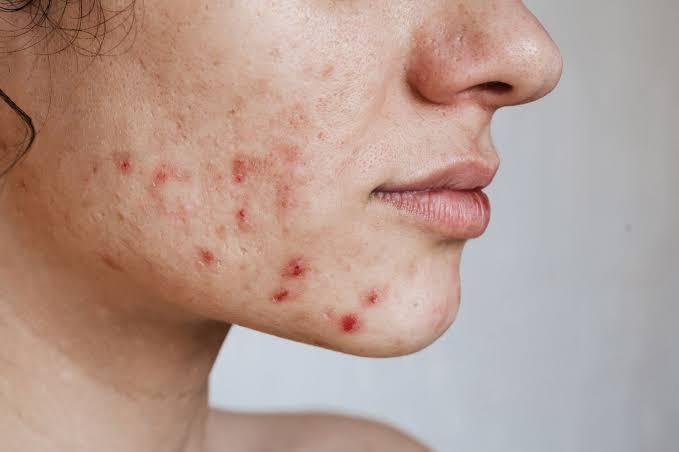

Acne along the jawline can be frustrating, especially when breakouts keep appearing in the same area despite regular skincare. Some people experience small bumps and clogged pores, while others develop deeper, painful pimples that take weeks to disappear.
Although jawline acne is sometimes associated with hormonal changes, hormones are not the only possible cause. Genetics, excess oil production, clogged pores, certain medications, and everyday habits may also contribute to breakouts.
Understanding what triggers acne along the jawline is an important first step toward finding an effective treatment. Depending on its severity, jawline acne may improve with over-the-counter skincare products or require prescription medication from a healthcare professional.
What Causes Acne on the Jawline?

Acne develops when hair follicles become clogged with oil, dead skin cells, and other debris. The skin naturally produces an oily substance called sebum through glands known as sebaceous glands. Sebum helps lubricate and protect the skin, but excessive production can contribute to blocked pores.
Normally, sebum travels through the hair follicles and reaches the skin’s surface. However, when dead skin cells accumulate inside a follicle and mix with excess oil, the opening can become blocked.
This creates an environment where acne-causing bacteria, particularly Cutibacterium acnes, can contribute to inflammation. The result may be blackheads, whiteheads, red pimples, or deeper inflammatory lesions.
Several factors can make this process more likely along the jawline.
1. Hormonal Changes
Hormonal fluctuations are among the commonly discussed triggers of jawline acne, particularly in adults.
Androgens, a group of hormones that includes testosterone, can stimulate sebaceous glands to produce more oil. When sebum production increases, pores may become more easily clogged.
Hormonal changes can occur during several stages of life, including:
- Puberty, when hormone levels change significantly.
- Menstruation, when some people experience recurring breakouts.
- Pregnancy, when hormonal levels fluctuate.
- Perimenopause, when hormone production becomes less predictable.
- Certain endocrine conditions, such as polycystic ovary syndrome (PCOS).
People with hormonal acne may notice recurring breakouts around the chin, lower cheeks, and jawline. However, the location of a pimple alone cannot confirm that hormones are responsible.
2. Excess Oil Production
Naturally oily skin can increase the likelihood of developing clogged pores.
Sebaceous glands produce sebum to maintain the skin’s protective barrier. However, when too much oil accumulates, it can combine with dead skin cells and contribute to acne.
Some people naturally produce more sebum because of genetics or hormonal influences. Others may notice increased oiliness during certain periods of life.
Using harsh cleansers or repeatedly washing the face does not necessarily solve the problem. In fact, aggressive cleansing can irritate the skin and make an existing acne routine harder to tolerate.
3. Dead Skin Cells and Clogged Pores
Skin constantly sheds old cells as part of its natural renewal process. When these cells do not shed effectively, they can accumulate inside hair follicles.
Combined with sebum, this buildup may form a plug that blocks the pore.
Clogged pores can develop into different types of acne, including:
- Whiteheads: Closed clogged pores that appear as small, pale bumps.
- Blackheads: Open clogged pores where the surface material darkens after exposure to air.
- Papules: Small, inflamed red bumps.
- Pustules: Inflamed pimples containing visible pus.
- Nodules and cyst-like lesions: Deeper, often painful forms of acne that may increase the risk of scarring.
4. Genetics and Family History
Genetics can influence how likely someone is to develop acne.
If close family members have experienced persistent or severe acne, a person may have a greater tendency to develop similar skin problems.
Inherited characteristics can influence oil production, inflammation, and how the skin responds to hormonal changes.
However, having a family history of acne does not mean someone will inevitably develop persistent breakouts.
5. Certain Medications
Some medications may trigger or worsen acne in susceptible individuals.
Examples include certain corticosteroids, testosterone treatments, and medications that affect hormone levels. Other prescription drugs may also cause acne-like eruptions as a side effect.
If jawline breakouts begin shortly after starting a new medication, it may be worth discussing the timing with a healthcare professional.
Do not stop taking a prescribed medication without consulting the prescribing clinician. They can determine whether the medication may be contributing to the problem and discuss appropriate alternatives if necessary.
6. Skincare Products and Everyday Habits
Certain products and daily habits may contribute to clogged pores or irritation.
Heavy creams, oily cosmetics, and some hair or skincare products may worsen breakouts, particularly when they are not suitable for acne-prone skin.
Friction and pressure can also aggravate acne in areas that experience repeated contact. For example, tight chin straps, helmet straps, or frequent rubbing against the jawline may contribute to irritation.
Other possible aggravating factors include:
- Frequently touching or resting the chin on the hands.
- Using makeup or skincare products that clog pores.
- Not removing makeup before going to bed.
- Picking or squeezing existing pimples.
- Repeated friction from clothing or equipment.
These habits do not necessarily cause acne on their own, but reducing unnecessary irritation may help support clearer skin.
How to Treat Jawline Acne

The most appropriate treatment depends on the type of acne, its severity, and how long it has been present.
Mild breakouts may respond to over-the-counter products, while persistent or deeper acne may require prescription treatment.
1. Use a Gentle Cleanser
A gentle facial cleanser can help remove excess oil, sweat, makeup, and surface debris without unnecessarily irritating the skin.
Wash the face gently, generally twice a day and after sweating. Avoid harsh scrubbing, rough cleansing brushes, and products that leave the skin feeling excessively dry or tight.
2. Try Over-the-Counter Acne Treatments
Several ingredients commonly found in nonprescription acne products can help manage different types of breakouts.
- Benzoyl peroxide: Helps reduce acne-causing bacteria and may be particularly useful for inflammatory pimples.
- Salicylic acid: Helps exfoliate inside pores and can improve blackheads and whiteheads.
- Adapalene: A topical retinoid that helps regulate skin cell turnover and prevent clogged pores. In some countries, lower-strength adapalene is available without a prescription.
- Azelaic acid: Can help improve acne and the dark marks that sometimes remain after inflammation.
It is generally best to introduce one active ingredient at a time. Using several strong products simultaneously may cause dryness, redness, peeling, or irritation.
Some treatments also require several weeks of consistent use before noticeable improvement occurs.
3. Choose Non-Comedogenic Skincare Products
People with acne-prone skin may benefit from products labeled non-comedogenic, meaning they are formulated to be less likely to clog pores.
A simple routine can include:
- A gentle cleanser.
- A suitable acne treatment.
- A lightweight moisturizer.
- Broad-spectrum sunscreen with SPF 30 or higher during the day.
Moisturizing is still important even when the skin is oily. A suitable moisturizer can help maintain the skin barrier and reduce irritation from acne treatments.
4. Avoid Picking or Squeezing Pimples
Squeezing acne lesions may seem like a quick way to remove them, but it can worsen inflammation and increase the risk of infection, dark marks, and permanent scarring.
Deeper jawline breakouts should be treated gently rather than repeatedly pressed or manipulated.
When Should You See a Doctor?
Not all jawline acne can be managed successfully with ordinary skincare products.
Consider seeing a dermatologist or healthcare professional if:
- Breakouts are deep, painful, or frequently recurring.
- Acne does not improve after several weeks of consistent over-the-counter treatment.
- Pimples are leaving scars or persistent dark marks.
- Acne is spreading to other areas of the face, chest, or back.
- Breakouts are affecting your confidence or emotional well-being.
- You suspect that a medication or hormonal condition may be contributing to the problem.
A dermatologist can examine the affected skin, determine the likely type of acne, and recommend an appropriate treatment plan.
For more severe cases, prescription options may include topical retinoids, topical or oral antibiotics, hormonal treatments, or isotretinoin. The choice depends on the individual’s circumstances, medical history, and potential side effects.
If jawline acne occurs alongside irregular menstrual cycles, excessive facial hair growth, or other signs of hormonal imbalance, a healthcare professional may also evaluate whether an underlying condition such as PCOS is involved.
How Long Does It Take for Jawline Acne to Improve?
Acne treatments rarely produce immediate results.
Many topical treatments require approximately six to eight weeks of consistent use before noticeable improvement becomes apparent. More significant improvement may take several months, particularly when acne is persistent or involves deeper lesions.
The timeline depends on several factors, including:
- The severity and type of acne.
- The treatment being used.
- Whether the skincare routine is followed consistently.
- Individual skin sensitivity and response to treatment.
- Whether an underlying hormonal or medical condition is present.
It is important to avoid changing products too frequently. Switching treatments every few days can irritate the skin and make it difficult to determine which ingredients are actually helping.
Can Jawline Acne Be Prevented?
Although it may not be possible to prevent every breakout, certain habits can help reduce the likelihood of clogged pores and irritation.
Consider the following practices:
- Wash your face gently in the morning and evening.
- Choose non-comedogenic skincare and makeup products.
- Remove makeup before going to bed.
- Avoid picking, squeezing, or repeatedly touching pimples.
- Clean items that regularly contact your jawline, such as helmet straps and phone screens.
- Use sunscreen suitable for acne-prone skin.
- Follow your acne treatment consistently rather than frequently changing products.
If breakouts repeatedly appear around the same time each month, tracking their timing may also help you discuss possible hormonal triggers with a healthcare professional.
The Bottom Line
Jawline acne can develop for several reasons, including hormonal fluctuations, excess oil production, clogged pores, genetics, medications, and everyday skin irritation.
Although the location of breakouts may offer clues, it does not automatically reveal their underlying cause. Effective treatment depends on identifying the factors contributing to the acne and choosing products or medical treatments that suit the individual’s skin.
For mild cases, a gentle skincare routine and appropriate over-the-counter ingredients may help. Persistent, painful, or scarring acne deserves professional attention.
With patience and the right treatment approach, many people can manage jawline acne and reduce the frequency and severity of future breakouts.