
The Centaur Enigma: Mythology, Archaeology, and the Power of Imagination
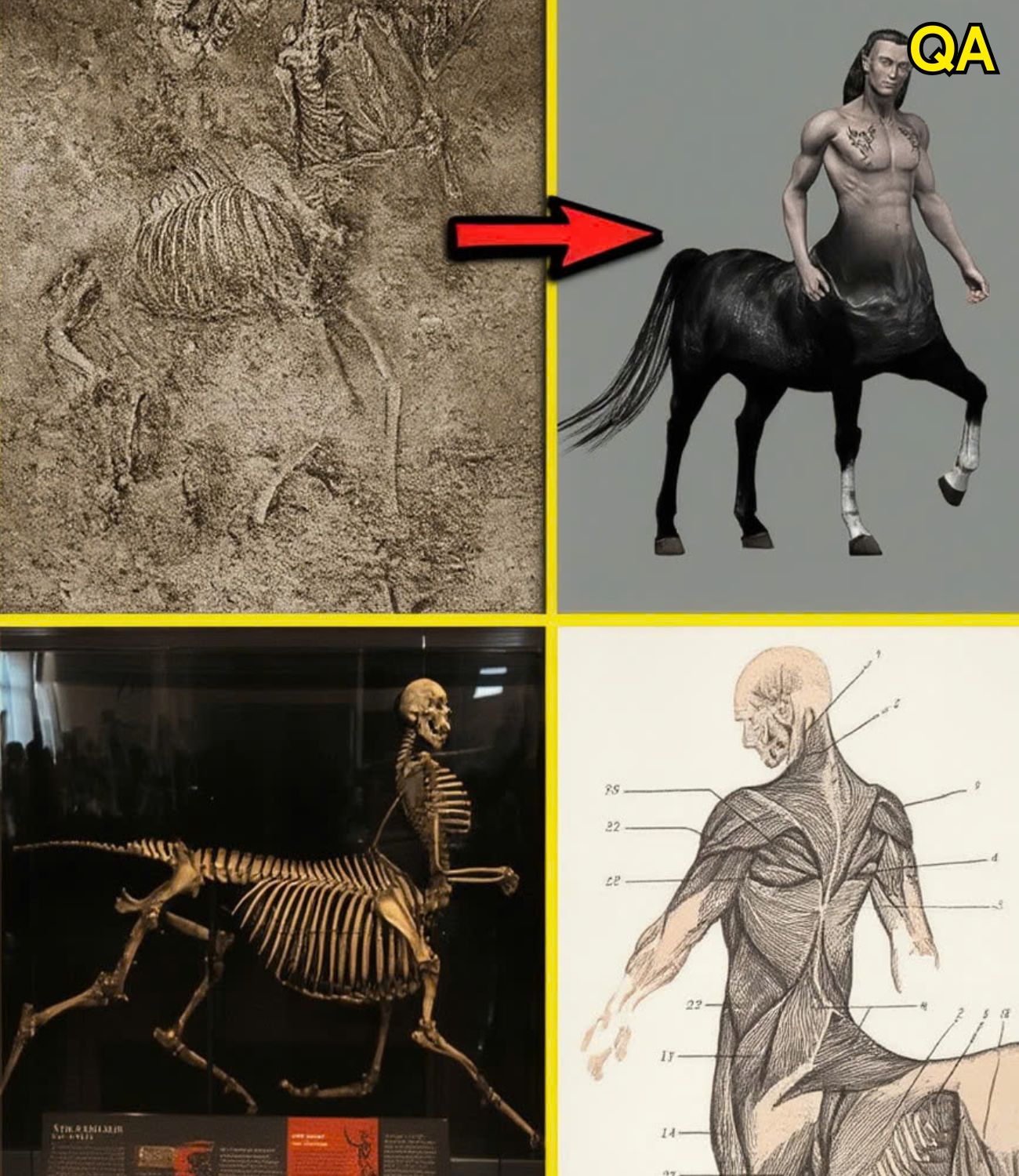
Stories about a supposed “centaur skeleton” discovered in Greece have once again blurred the line between mythology and reality, reigniting fascination with one of the ancient world’s most legendary creatures. Images and reports circulating online describe skeletal remains appearing to combine human and horse-like anatomy, leading some to speculate whether myths once dismissed as fantasy could have deeper historical origins.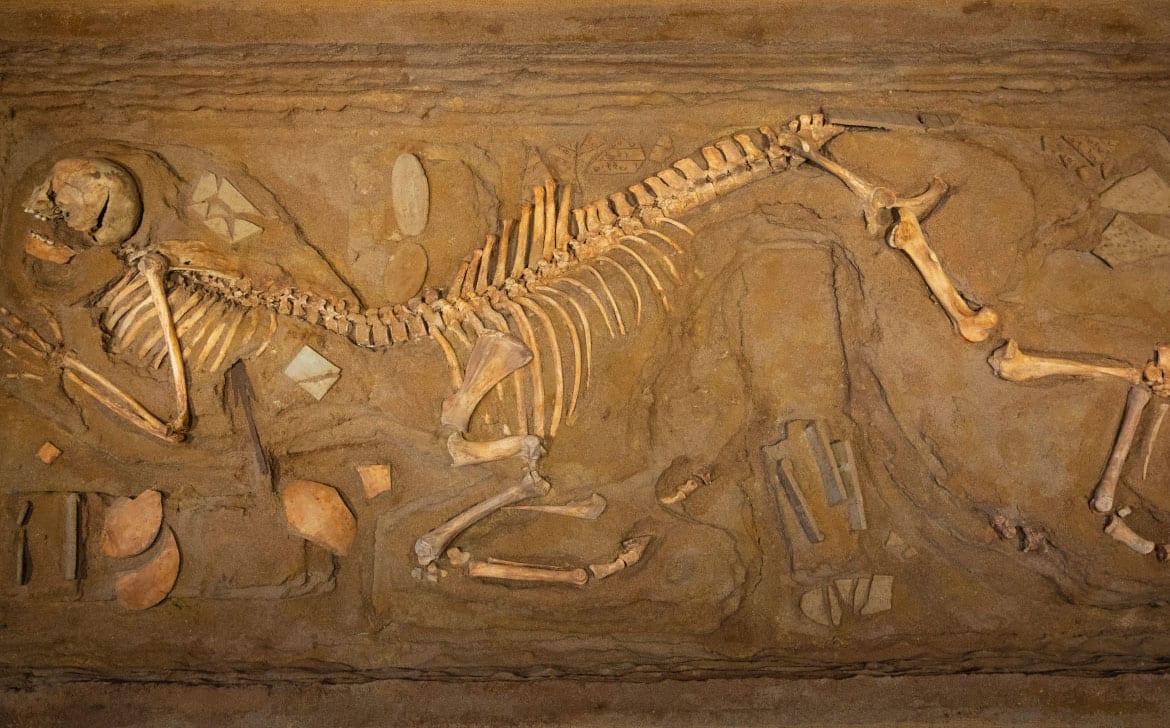
According to the claims, the alleged remains were uncovered near ancient ruins connected to classical Greek history. Supporters of the theory argue that the unusual skeletal arrangement resembles descriptions of centaurs found throughout Greek mythology — beings portrayed as half human and half horse, often associated with wilderness, warfare, wisdom, or chaos depending on the legend.
The story quickly spread across social media and mystery communities, where many viewers interpreted the imagery as possible evidence that ancient myths may have been inspired by misunderstood encounters or forgotten historical realities.
However, mainstream archaeologists and historians remain highly skeptical.
No verified scientific institution or recognized archaeological authority has confirmed the discovery of genuine centaur remains in Greece or anywhere else in the world. Experts note that many viral “mythological skeleton” stories originate from:
- staged art installations,
- digitally manipulated images,
- fictional exhibits,
- or intentionally fabricated hoaxes designed to provoke fascination online.
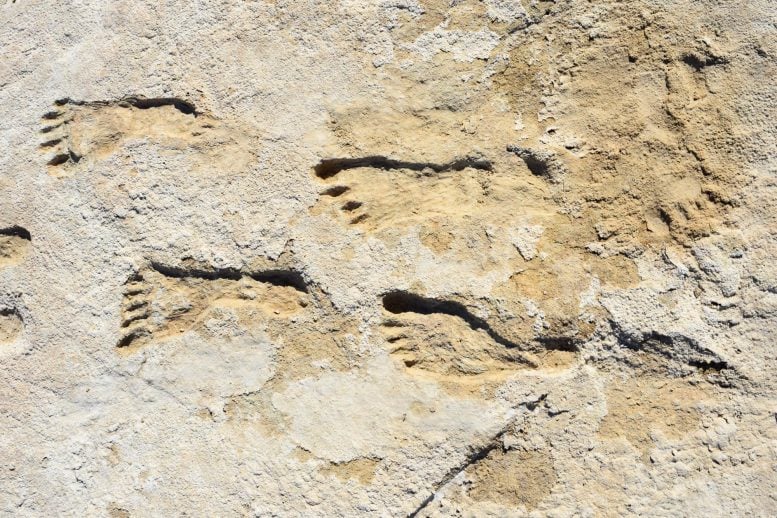
In some cases, artists and museums have deliberately created fictional hybrid skeletons as creative projects exploring mythology and storytelling. Without proper excavation records, scientific analysis, or peer-reviewed evidence, such claims are not considered credible archaeology.
Still, the persistence of stories like this reflects something deeply human.
Mythological creatures have existed in nearly every culture throughout history:
dragons,
giants,
mermaids,
griffins,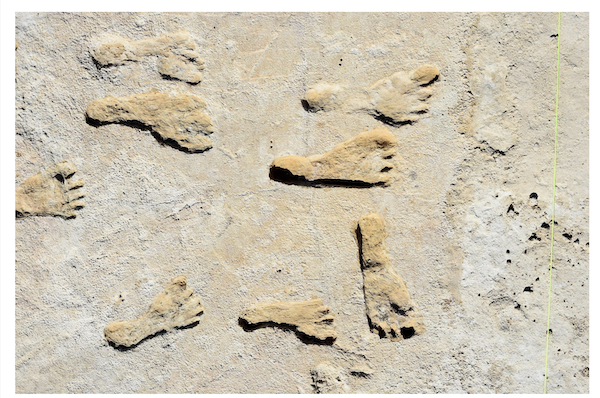
and centaurs all emerged from humanity’s attempt to explain the unknown, symbolize natural forces, or express deeper psychological and cultural ideas.
In ancient Greece, centaurs often represented the tension between civilization and instinct — part human, part untamed nature. Their stories were less about biological reality and more about philosophy, morality, and imagination.
Yet myths endure because they continue to feel emotionally powerful.
When unusual discoveries appear ambiguous or difficult to explain, people naturally search for connections to familiar stories and legends. The human mind is drawn toward mystery, symbolism, and the possibility that ancient myths may contain fragments of forgotten truths.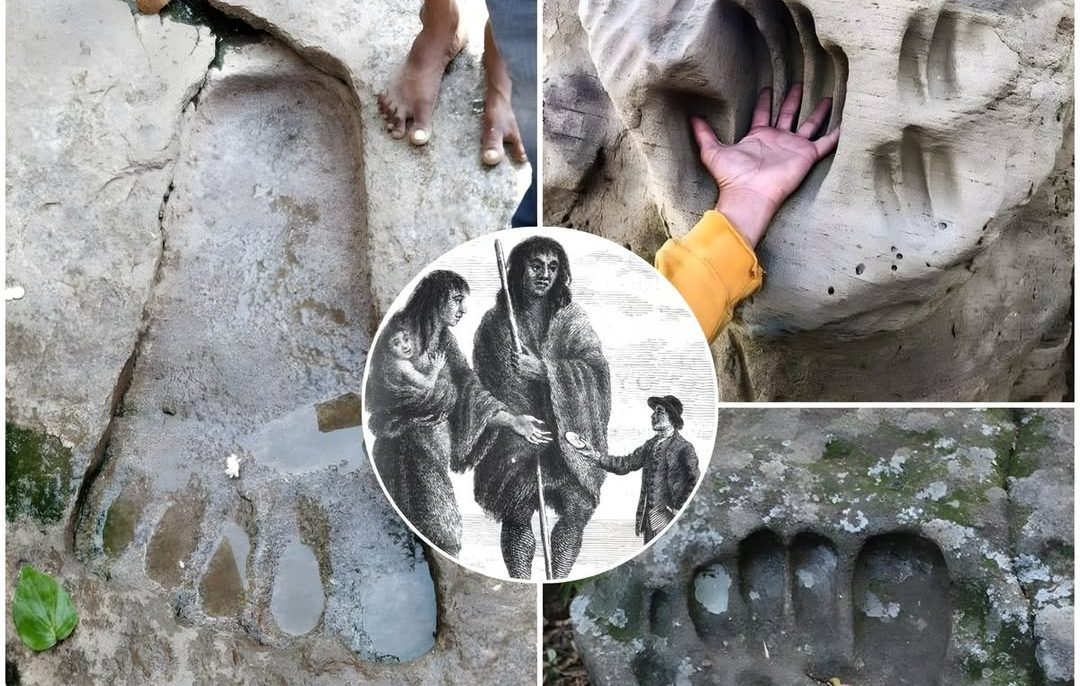
For now, the so-called “Centaur Enigma” remains unverified and unsupported by scientific evidence.
But whether viewed as fiction, symbolic storytelling, or modern mythmaking, the fascination surrounding it reveals something timeless:
humanity’s enduring desire to believe that the ancient world may still hide wonders beyond ordinary explanation.
And perhaps that is why myths survive for thousands of years —
not because they are proven true,
but because they continue to awaken curiosity long after the civilizations that created them have vanished.
Sources
- Smith, John. “The Myth of the Centaur: Bridging Ancient Lore and Modern Science.” Journal of Mythological Studies, vol. 12, no. 1, 2022.
- Williams, Sarah. “Decoding the Centaur: A Closer Look at Myth and Fact.” Archaeological Review, vol. 9, no. 3, 2023.
- Jones, Rick. “Legends of the Lost: Understanding Human Fascination with Mythical Creatures.” Cultural History Quarterly, vol. 18, no. 4, 2021.
- Taylor, Emily. “Myth and Reality: The Nature of Centaurs in Ancient Greece.” Histories of Mythology, 2020.
