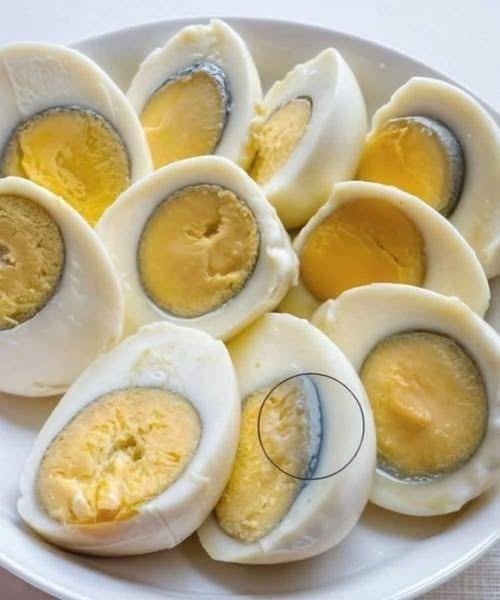

Few kitchen moments are more disappointing than slicing open a carefully prepared hard-boiled egg and discovering a greenish-gray ring surrounding the yolk. The eggs may still taste perfectly fine, but the unusual color can make them look less fresh and far less appetizing.
The good news is that this common cooking mystery has a simple scientific explanation. The green ring is harmless, completely natural, and easy to prevent once you understand what causes it.
In fact, the phenomenon offers a fascinating glimpse into the chemistry of cooking and how small temperature changes can affect the appearance, texture, and flavor of everyday foods.
What Causes the Green Ring on Hard-Boiled Eggs?
The green or gray ring forms because of a chemical reaction between sulfur and iron naturally found inside the egg.
Egg whites contain sulfur compounds, while egg yolks contain iron. When eggs are cooked for too long or exposed to excessively high temperatures, sulfur released from the white reacts with iron in the yolk.
This reaction creates a compound called iron sulfide.
The result is the thin greenish-gray layer that sometimes appears around the outer edge of the yolk.
The reaction is harmless and does not mean the egg is spoiled or unsafe to eat. It is simply a visual sign that the egg was exposed to more heat than necessary during cooking.

The Science Behind Overcooking Eggs
Cooking eggs may seem simple, but eggs are chemically complex foods.
Proteins inside both the white and yolk change structure when heated. As temperature increases, these proteins tighten and solidify. Excessive heat causes the proteins to become firmer and drier while increasing sulfur release from the egg white.
The longer the cooking time and the hotter the temperature, the more likely the iron-sulfur reaction becomes.
That is why the green ring appears most often in eggs that have been boiled vigorously for extended periods.
Food scientists explain that even a few extra minutes of overheating can noticeably affect texture and color.
Is the Green Ring Safe to Eat?
Yes. Eggs with a green ring are generally safe to eat as long as they were stored and cooked properly.
The discoloration may slightly affect texture or flavor, sometimes creating a faint sulfur smell, but it does not make the eggs harmful.
Many people mistakenly assume the color change signals spoilage, but the ring is simply the result of overcooking chemistry.
Professional chefs and food educators often emphasize that appearance does not always reflect food safety.
How to Prevent the Green Ring
Preventing the discoloration mainly comes down to controlling cooking time and temperature.
Instead of aggressively boiling eggs for long periods, many cooking experts recommend a gentler process:
Place eggs in a pot and cover them with water. Bring the water just to a boil, then reduce the heat to a gentle simmer or remove the pot from direct heat entirely.
Most large eggs cook well in about 9 to 12 minutes depending on desired firmness.
This approach minimizes excessive heat exposure and reduces the chance of iron sulfide forming around the yolk.
Why an Ice Bath Makes a Big Difference
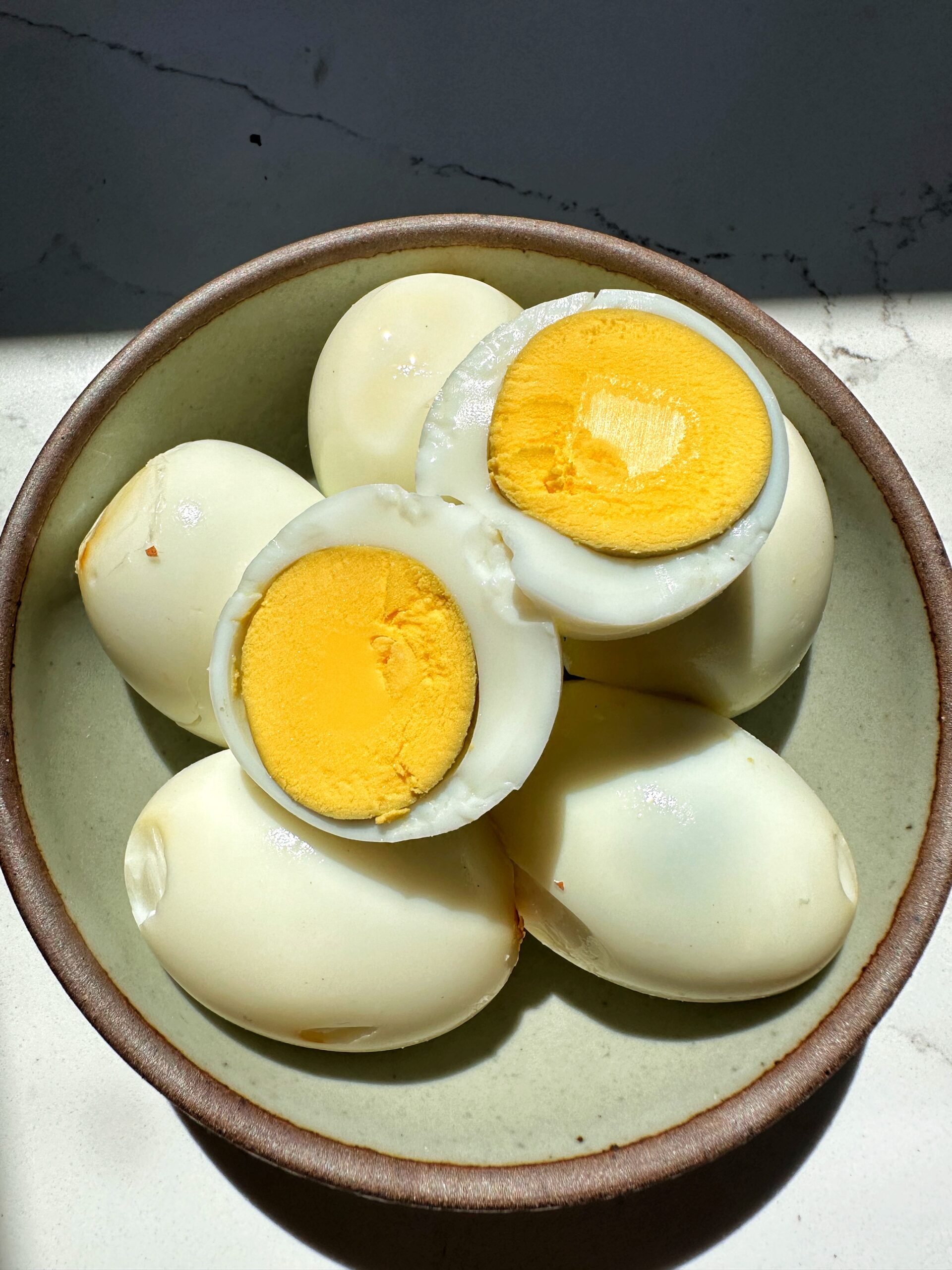
Cooling eggs immediately after cooking is one of the most effective ways to stop the green ring from developing.
Once eggs are transferred into ice water or very cold water, the cooking process halts rapidly. This prevents residual heat from continuing to cook the yolk internally.
Quick cooling also offers another major advantage: easier peeling.
As eggs cool, the egg white contracts slightly away from the shell membrane, making shells easier to remove cleanly.
Professional kitchens often use ice baths routinely because they improve both appearance and texture.
Why Older Eggs Peel More Easily
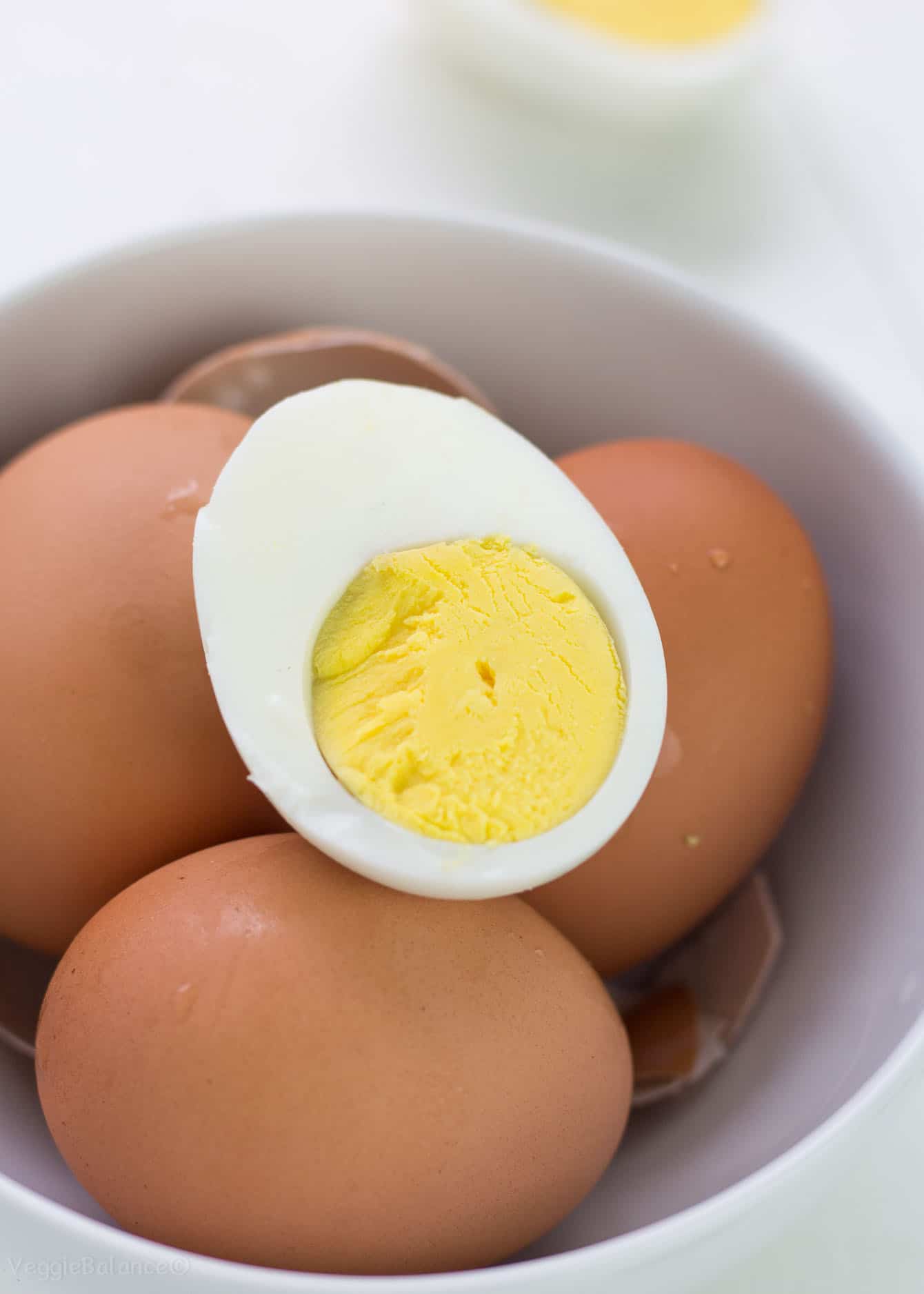
Many people assume the freshest eggs are best for hard boiling, but slightly older eggs are often easier to peel.
As eggs age, their internal pH changes and small air pockets expand. These changes help separate the shell membrane from the egg white during peeling.
Very fresh eggs tend to cling tightly to the shell, making peeling frustrating and messy.
That is why some cooks intentionally use eggs that have been refrigerated for several days before hard boiling them.
The Cultural Popularity of Hard-Boiled Eggs
Hard-boiled eggs have remained popular across cultures for centuries because they are portable, nutritious, affordable, and versatile.
They appear in salads, sandwiches, soups, noodle dishes, picnic meals, and holiday recipes around the world.
In some traditions, decorated hard-boiled eggs symbolize renewal, celebration, or seasonal festivals. In others, eggs are valued simply as a convenient protein source for travel and daily meals.
Because eggs are so widely consumed, even small cooking details like the green ring have become surprisingly familiar culinary topics.
Nutrition and Health Benefits of Eggs
Eggs are widely recognized as nutrient-dense foods containing high-quality protein along with vitamins and minerals.
They provide nutrients such as:
• Vitamin B12
• Vitamin D
• Selenium
• Choline
• Riboflavin
Egg yolks also contain antioxidants important for eye health.
Cooking methods can slightly affect texture and nutrient retention, but properly cooked hard-boiled eggs remain a healthy and convenient food option for many people.
Common Mistakes When Boiling Eggs
Several small cooking mistakes increase the likelihood of discoloration or unpleasant texture.
Common issues include:
• Boiling eggs too aggressively
• Cooking them too long
• Skipping rapid cooling
• Using extremely fresh eggs for peeling
• Leaving cooked eggs at room temperature too long
Food safety experts recommend refrigerating hard-boiled eggs promptly if they are not eaten immediately.
The Fascination of Everyday Food Science
One reason food science fascinates so many people is that ordinary kitchen experiences often reveal surprisingly complex chemistry.
A green ring around an egg yolk may seem minor, yet it reflects intricate interactions between proteins, minerals, heat, and timing.
Cooking transforms ingredients through countless invisible chemical reactions happening every second. Bread rises because of yeast fermentation. Meat browns through the Maillard reaction. Sugar caramelizes under heat. Eggs develop green rings through sulfur and iron reactions.
Understanding these processes not only improves cooking results but also deepens appreciation for how science shapes everyday life.
Conclusion
The green ring around a hard-boiled egg yolk may look unusual, but it is simply the result of a harmless chemical reaction caused by overcooking.
By using gentler heat, limiting cooking time, and cooling eggs quickly in ice water, anyone can reduce the chances of discoloration and achieve smoother, brighter yolks.
In many ways, this tiny kitchen mystery reflects the beauty of cooking itself. Even the simplest foods involve fascinating science, careful timing, and generations of shared culinary knowledge.
With just a few small adjustments, hard-boiled eggs can remain tender, flavorful, easy to peel, and visually appealing — proving that sometimes the smallest cooking details make the biggest difference.

Sources
United States Department of Agriculture (USDA)
Harvard T.H. Chan School of Public Health
