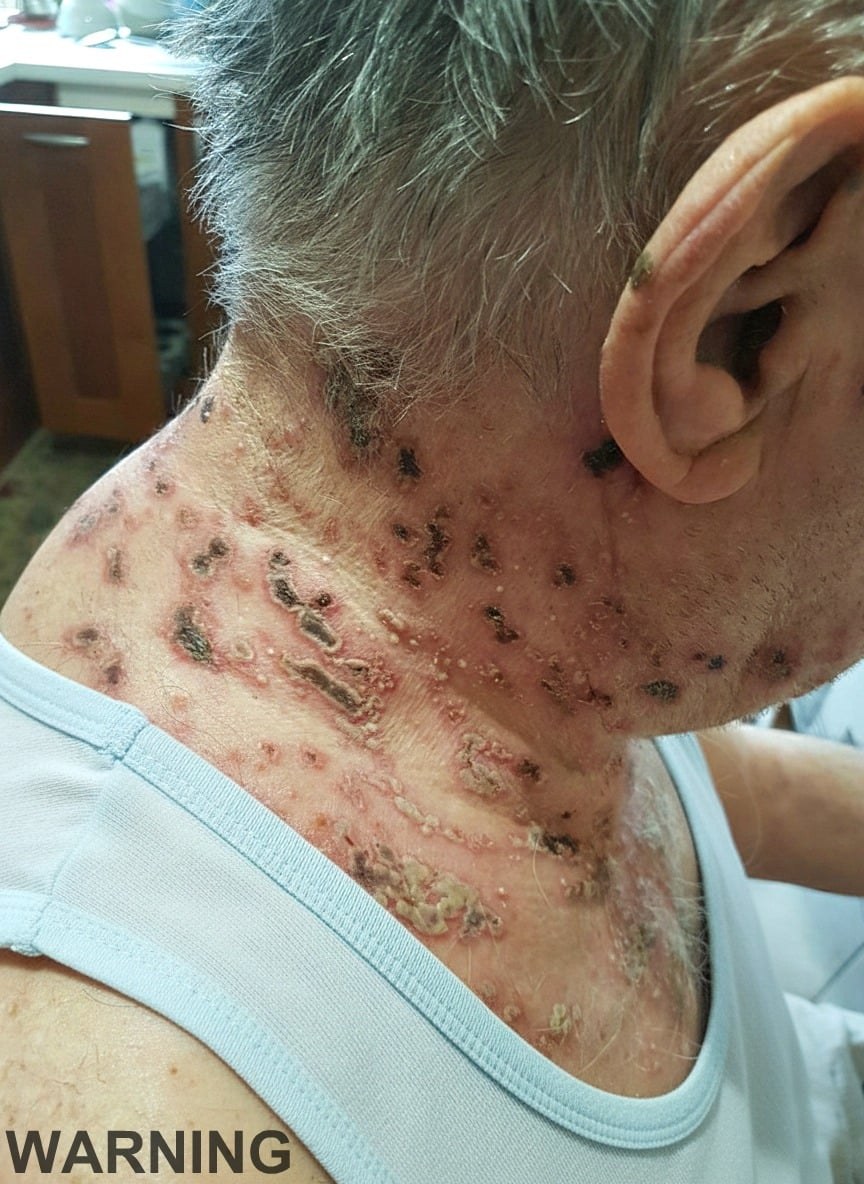

It may start as a mild discomfort. A tingling sensation, a patch of sensitive skin, or a strange burning feeling that seems to come from nowhere. At first, it is easy to ignore. Life continues as usual, and the symptoms may feel too small to matter.
Then, over the next few days, something changes. A visible rash appears, and the discomfort becomes more noticeable. For many people, this moment raises an important question: what exactly is happening?
Stories like those summarized by PrimeDailys highlight a condition that often develops quietly before becoming more recognizable. This condition is commonly known as shingles, and understanding it can help people respond calmly and effectively.

What Is Shingles?
Shingles is a condition caused by the reactivation of a virus that may already exist in the body. This virus is called the Varicella-zoster virus.
Most people first encounter this virus during childhood in the form of chickenpox. After recovery, the virus does not completely leave the body. Instead, it becomes inactive and remains in nerve tissue.
Years later, under certain conditions, the virus can become active again. When this happens, it leads to shingles, medically known as Herpes zoster.
Why Does the Virus Reactivate?
The exact reasons for reactivation can vary, but they are often linked to changes in the immune system. As people age or experience periods of stress or illness, the body’s ability to keep the virus inactive may decrease.
This does not mean that everyone will develop shingles. Many people carry the virus without ever experiencing a recurrence. However, understanding the potential triggers helps explain why the condition can appear unexpectedly.
From a scientific perspective, shingles is not something newly “caught” from the environment. Instead, it is a reawakening of a virus that has been quietly present.
Recognizing Early Symptoms
One of the most important aspects of shingles is recognizing its early signs. These often appear before any visible rash.
Common early symptoms may include:
A tingling or burning sensation in a specific area
Sensitivity to touch
Mild fatigue or discomfort
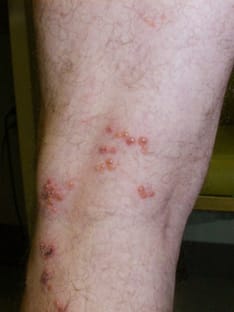
After a few days, a rash typically develops. It often appears on one side of the body, following the path of a nerve. This pattern is one of the distinguishing features of the condition.
Understanding these early signals can help individuals seek timely medical advice.
What Happens After the Rash Appears?
Once the rash develops, it usually progresses through several stages. Small fluid-filled blisters may form, eventually drying and healing over time.
For many people, the symptoms gradually improve. However, in some cases, discomfort may persist even after the skin has healed. This condition is known as Postherpetic neuralgia.
This lingering sensitivity varies from person to person. Some experience only mild effects, while others may notice longer-lasting discomfort.
Is Shingles Contagious?
This is a common point of confusion. Shingles itself is not spread from one person to another in the same way as a typical infection.
However, the virus behind it can be transmitted to someone who has never had chickenpox or has not been vaccinated. In such cases, that person may develop chickenpox rather than shingles.
This is why awareness and basic precautions are often recommended, especially around individuals with weaker immune systems.
Prevention and Modern Medical Approaches
Medical science has made significant progress in understanding and managing shingles. Vaccination is one of the most effective preventive measures available today.
Health organizations such as the Centers for Disease Control and Prevention recommend vaccination for certain age groups to reduce the risk of developing shingles and its complications.
In addition, early medical care can help manage symptoms more effectively. Treatments may reduce the duration and intensity of the condition when started promptly.
Cultural and Historical Perspectives
Historically, conditions like shingles were often misunderstood. Before modern virology, unexplained skin sensations and rashes were sometimes attributed to environmental or even symbolic causes.
In some cultures, nerve-related conditions were associated with internal imbalance or stress. While these interpretations were not scientifically accurate, they often reflected an intuitive understanding that the body and mind are connected.
Today, science provides clearer explanations, but the idea that overall wellbeing influences health remains widely accepted.
The Importance of Awareness
One of the challenges with shingles is that its early symptoms can be subtle. Because of this, people may not recognize the condition until it becomes more noticeable.
Raising awareness helps individuals identify potential signs earlier and seek appropriate care. It also reduces unnecessary worry by providing accurate information about what the condition is and how it develops.
Knowledge transforms uncertainty into confidence.

Conclusion: Listening to the Body
Shingles is often described as a “silent” condition, not because it is invisible, but because it begins quietly. It reminds us that the body can carry hidden processes that only reveal themselves over time.
Rather than reacting with fear, understanding allows for a more balanced perspective. Recognizing symptoms, knowing the cause, and being aware of preventive options all contribute to better outcomes.
In the end, this condition highlights something universal. The human body is complex, adaptive, and deeply interconnected. Paying attention to its signals is one of the most powerful tools we have.
Curiosity, once again, becomes a pathway to understanding.
Sources
PrimeDailys summary article
Centers for Disease Control and Prevention shingles guidelines
World Health Organization resources on viral infections
Mayo Clinic educational materials on shingles and nerve conditions
National Institute on Aging health information on shingles
