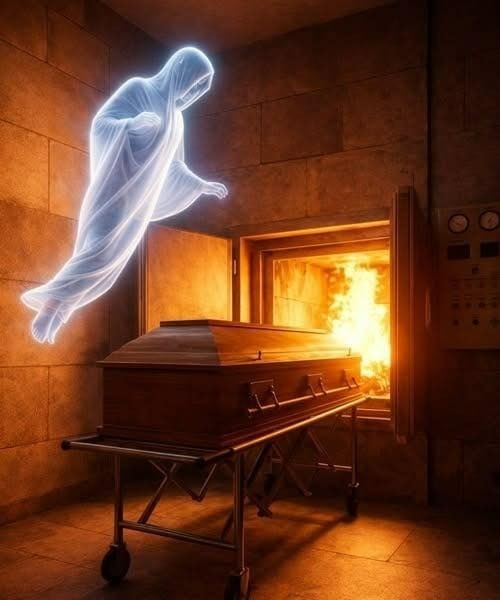

The conversation began quietly in a hospital waiting room after a family loss. One grieving relative struggled with a question that millions of families eventually face: should their loved one be buried traditionally or cremated? The emotional uncertainty was not only about cost or logistics. It was deeply spiritual. A relative warned that cremation might go against religious teachings, while others insisted modern faith communities had become more accepting.
Stories like this are increasingly common around the world. As cremation rates continue rising across many countries, people from different religious backgrounds are asking difficult questions about tradition, theology, environmental concerns, and personal choice.
Although online discussions often simplify the topic into phrases like “Is cremation a sin?”, the reality is far more nuanced. Different faiths approach burial and cremation in very different ways, shaped by centuries of history, cultural values, and spiritual beliefs about the body, the soul, and life after death.
Understanding those perspectives can help families navigate end-of-life decisions with greater clarity, compassion, and respect.

Why Cremation Is Becoming More Common
Over the last several decades, cremation has become increasingly popular in many parts of the world. Funeral industry reports show that cremation rates continue to rise steadily, especially in North America, Europe, and parts of Asia.
Several factors contribute to this shift.
Cost is one of the most practical reasons. Traditional burials often involve cemetery plots, caskets, embalming, and memorial expenses that can be significantly more expensive than cremation.
Mobility also plays a role. Modern families are often geographically dispersed, making flexible memorial arrangements more appealing.
Environmental concerns have also influenced attitudes. Some people view cremation or alternative eco-friendly burial methods as less resource-intensive than traditional practices, although environmental experts note that each option carries different impacts.
At the same time, religious identity has changed in many societies. As more people move away from strict traditional structures, personal preference increasingly shapes end-of-life planning.
Despite these trends, spiritual questions remain deeply important for many families.
What the Bible Actually Says About Cremation
One of the most common questions among Christians is whether the Bible explicitly forbids cremation.
Biblical scholars generally agree that Scripture does not directly prohibit cremation. The Bible contains many examples of burial practices, including the burials of Abraham, Sarah, Jacob, Joseph, and Jesus. Burial was the customary practice in ancient Jewish and early Christian communities.
However, description does not necessarily equal command.
Most mainstream Christian theologians emphasize that resurrection, in Christian belief, depends on divine power rather than the physical condition of human remains. Throughout history, many believers died in circumstances where preservation of the body was impossible due to natural disasters, warfare, or accidents.
As a result, most major Christian denominations now permit cremation.
Christian Perspectives on Cremation
Different Christian traditions approach cremation with varying emphasis.
The Roman Catholic Church historically discouraged cremation for many centuries, partly because burial reflected belief in bodily resurrection and because cremation was once associated with anti-Christian movements in parts of Europe. Today, however, the Catholic Church permits cremation as long as it is not chosen as a rejection of Christian teaching about resurrection.
Catholic guidelines generally recommend that ashes be kept together and placed respectfully in cemeteries, mausoleums, or columbaria rather than scattered casually or divided among relatives.
Many Protestant denominations, including Baptist, Methodist, Lutheran, and Anglican traditions, also allow cremation and often leave the decision to personal or family preference.
Some smaller Christian groups still strongly prefer burial based on traditional interpretation and symbolism.
Judaism and the Importance of Burial
Traditional Judaism generally favors burial and discourages cremation.
Jewish teachings emphasize returning the body naturally to the earth with dignity and respect. Burial is often viewed as a sacred obligation connected to honoring the person created in the image of God.
Historical trauma also shapes Jewish perspectives on cremation. For many Jewish communities, cremation carries painful associations related to the Holocaust, during which crematoria became symbols of immense suffering and loss.
Within modern Judaism, views vary somewhat by denomination.
Orthodox and Conservative Judaism generally continue to oppose cremation, while Reform Judaism may permit it, although many Reform rabbis still encourage burial whenever possible.
These differences reflect broader conversations within Judaism about balancing tradition with modern realities.
Islamic Teachings on Cremation
In Islam, burial remains the only accepted practice for handling human remains after death.
Islamic teachings emphasize treating the body with dignity and returning it naturally to the earth as quickly as possible. Cremation is generally considered impermissible within Islamic law because the body is viewed as deserving respect both in life and after death.
Traditional Islamic funeral practices include ritual washing, wrapping the body in a simple white shroud, and burial facing Mecca.
Among observant Muslim communities worldwide, cremation remains extremely rare.
Hinduism and Cremation Traditions
Unlike several Abrahamic faiths, Hinduism traditionally embraces cremation as the preferred practice.
Hindu beliefs center heavily on reincarnation and the soul’s ongoing spiritual journey. The physical body is generally understood as temporary, while the soul continues beyond physical existence.
Cremation is therefore seen as helping release the soul from earthly attachment and supporting spiritual transition into the next stage of existence.
In many Hindu traditions, ashes are later immersed in sacred rivers or meaningful natural locations as part of final rites.
There are exceptions in some communities, particularly involving young children or highly revered spiritual figures, who may be buried instead.
Buddhist Perspectives on Burial and Cremation
Buddhism generally allows both cremation and burial, although cremation is common across many Buddhist cultures.
Historical tradition notes that the Buddha himself was cremated, which influenced later practices in several regions.
Buddhist teachings focus less on preserving the physical body and more on the mind, consciousness, and liberation from cycles of suffering and rebirth.
As a result, many Buddhist communities approach end-of-life practices flexibly, often shaped by regional culture as much as theology.

Green Burial and New Alternatives
As awareness about environmental sustainability grows, many people are exploring alternatives to both traditional burial and flame cremation.
Green burial practices involve biodegradable materials, minimal environmental disruption, and natural decomposition without embalming chemicals or metal caskets.
Some people choose green burial because they wish to minimize environmental impact while still following earth-based burial traditions.
Another emerging option is alkaline hydrolysis, sometimes called water cremation, which uses water and chemical processes instead of flame. Acceptance of this method varies depending on local law and religious interpretation.
These developments show how end-of-life practices continue evolving alongside cultural, environmental, and technological changes.
Why End-of-Life Decisions Feel So Emotional
Decisions surrounding death involve far more than logistics. They touch memory, identity, spirituality, family tradition, and grief.
Funeral rituals often provide emotional structure during periods of loss. For many families, choosing burial or cremation becomes symbolic of honoring a loved one properly.
Conflicts sometimes arise when relatives hold different beliefs about religion, tradition, or practicality. Some prioritize theological teachings, while others focus on affordability, simplicity, or personal wishes expressed by the deceased.
Experts in grief counseling often encourage families to discuss these topics before crises occur. Written instructions, advance directives, or simple conversations can reduce confusion during emotionally difficult moments.
Religion, Modern Life, and Changing Perspectives
One reason cremation discussions have become more prominent is because modern societies are changing rapidly.
Families are more mobile. Religious participation patterns are shifting. Environmental concerns are growing. Financial realities influence decisions more directly than in previous generations.
At the same time, many people continue seeking spiritual meaning and emotional reassurance when facing loss.
This combination has created new conversations within religious communities about how ancient traditions interact with modern practical realities.
Rather than eliminating tradition, these discussions often reveal how faith communities continue adapting while trying to preserve core spiritual values.
Human Curiosity About Life, Death, and Meaning
The widespread interest in cremation debates ultimately reflects humanity’s enduring attempt to understand mortality and honor those who have passed away.
Every culture develops rituals around death because humans seek meaning, continuity, and connection even during grief. Whether through burial, cremation, prayer, memorial ceremonies, or remembrance traditions, these practices help people process loss and maintain emotional bonds with loved ones.
Although religious teachings differ, most traditions share one common goal: treating human life with dignity and respect.
Conclusion
The growing conversation around cremation and burial reveals how deeply personal end-of-life decisions truly are. While some religious traditions strongly favor burial and others embrace cremation, most perspectives are rooted in broader spiritual beliefs about human dignity, remembrance, and the meaning of life itself.
For Christians, cremation is generally accepted across most denominations. Judaism and Islam continue emphasizing burial traditions, while Hinduism and many Buddhist communities traditionally support cremation. Meanwhile, newer environmentally focused alternatives continue reshaping public discussion.
Ultimately, these choices involve far more than practical arrangements. They reflect family history, spiritual belief, cultural identity, and emotional healing.
As societies evolve, conversations about cremation are likely to continue growing. Yet beneath theological debates and changing customs remains a timeless human concern: finding meaningful ways to honor those we love and preserve their memory with compassion, respect, and peace.
