

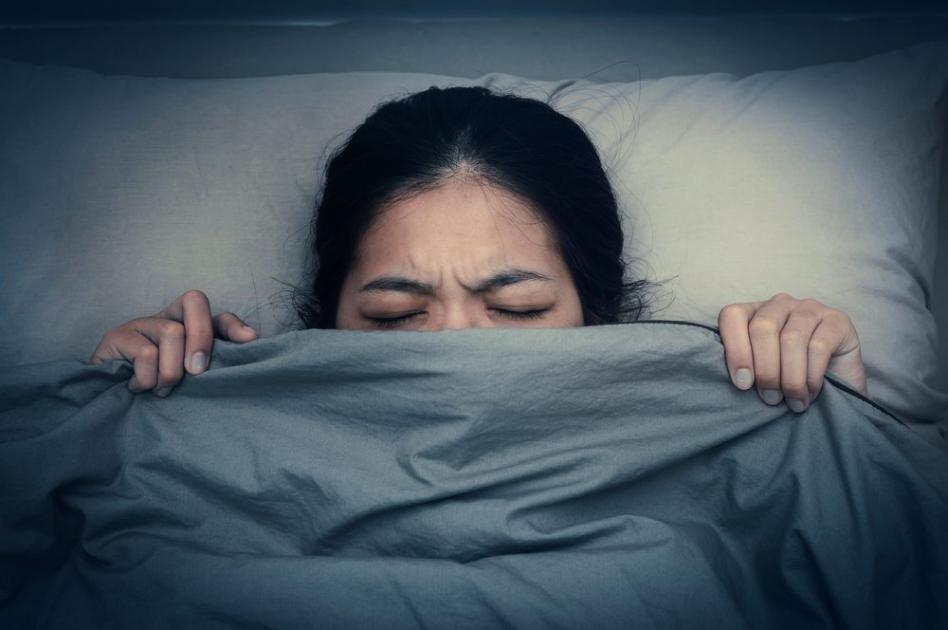
You are just drifting off. Your body relaxes, your thoughts begin to blur, and then suddenly it happens. A sharp jolt runs through your body, almost as if you tripped or missed a step in a dream. Your eyes open, your heart may race for a moment, and you wonder what just happened.
This experience, often described as a falling sensation followed by a quick body jerk, is surprisingly common. While it can feel unusual or even unsettling, it is a natural part of how the human body transitions into sleep. Across cultures and throughout history, people have tried to explain this phenomenon in different ways, blending imagination with observation.
Today, science offers clear insights into what is happening. At the same time, cultural interpretations continue to give this experience symbolic meaning. Understanding both perspectives can help us see this small nighttime event in a richer and more human way.

What Is a Hypnic Jerk
The sudden movement you feel as you fall asleep is known as a hypnic jerk, sometimes also called a sleep start. According to research referenced by The Hearty Soul, around sixty to seventy percent of people experience these sensations at some point in their lives.
A hypnic jerk typically occurs during the early stage of sleep, when your body is transitioning from wakefulness into rest. It may be accompanied by a vivid sensation, such as falling, slipping, or even a brief dream-like image. In some cases, people also report a quick flash of light or a feeling of imbalance.
Although it may feel dramatic in the moment, it is generally harmless and lasts only a second or two.
Understanding the Stages of Sleep
To understand why hypnic jerks happen, it helps to look at how sleep works. Sleep is not a single state but a cycle made up of several stages.
The first stage is light sleep, where your body begins to relax. Your muscles loosen, your breathing slows, and your brain activity starts to change. This is the stage where hypnic jerks most often occur.
As you move deeper into sleep, your body becomes more stable. Muscle activity decreases further, and your brain shifts into patterns associated with deeper rest and recovery. Later stages include periods of dreaming, known as REM sleep, where brain activity becomes more active again.
The transition between wakefulness and the first stage of sleep is delicate. It is during this shift that the body can sometimes misfire signals, leading to the sudden jerk.

The Science Behind the Sudden Movement
From a scientific perspective, hypnic jerks are linked to the nervous system. As your body relaxes, your muscles begin to release tension. At the same time, your brain is adjusting from active thinking to a more restful state.
One theory suggests that as your muscles relax quickly, your brain may interpret this as a sign that you are losing balance or falling. In response, it sends a rapid signal to your muscles to contract, causing the sudden jerk.
Another explanation focuses on the competition between systems in your body. The part of your brain that keeps you alert is gradually shutting down, while the system responsible for sleep is taking over. During this brief overlap, signals can become slightly uncoordinated.
External factors can also increase the likelihood of hypnic jerks. These include stress, fatigue, caffeine intake, and irregular sleep schedules. When your body is overstimulated or overtired, the transition into sleep can become less smooth.
Why It Often Feels Like Falling
One of the most intriguing aspects of hypnic jerks is the sensation of falling. Many people report dreaming that they are slipping, missing a step, or dropping from a height just before the jerk occurs.
This sensation may be linked to how the brain processes spatial awareness. As your body relaxes and your muscles release tension, your brain may briefly lose its sense of physical stability. This can create the illusion of movement, which your mind interprets as falling.
The brain then reacts quickly, sending a signal to your muscles to “catch” yourself, resulting in the sudden jerk.
This combination of physical and mental responses highlights how closely the body and mind are connected, especially during transitions like falling asleep.

Cultural Interpretations and Myths
Long before modern science explained hypnic jerks, people developed their own interpretations of these nighttime experiences.
In some cultures, the sensation of falling during sleep was believed to be a sign that the soul was temporarily leaving the body. The sudden jerk was thought to represent the soul returning quickly.
Other traditions interpreted these movements as spiritual signals or warnings, linking them to unseen forces or messages from beyond. While these ideas are not supported by scientific evidence, they reflect humanity’s natural tendency to find meaning in unexplained experiences.
Even today, some people view hypnic jerks as symbolic. The feeling of falling can be associated with loss of control, uncertainty, or transition in waking life. While this interpretation is more psychological than literal, it shows how physical sensations can connect to emotional states.
The Role of Stress and Lifestyle
Modern research suggests that lifestyle factors can influence how often hypnic jerks occur.
Stress is one of the most common contributors. When your mind is active or anxious, your body may have difficulty fully relaxing. This can lead to more abrupt transitions into sleep, increasing the likelihood of sudden movements.
Caffeine and other stimulants can also play a role. These substances keep the nervous system active, making it harder for the body to settle smoothly into rest.
Sleep deprivation is another factor. When you are very tired, your body may try to enter sleep more quickly than usual. This rapid shift can sometimes trigger hypnic jerks.
Improving sleep habits, such as maintaining a consistent schedule and creating a calm bedtime routine, can help reduce their frequency.
When Should You Be Concerned
In most cases, hypnic jerks are completely normal and do not require medical attention. They are a common part of the sleep process and do not indicate any underlying problem.
However, if the movements become very frequent, disrupt your sleep significantly, or are accompanied by other unusual symptoms, it may be helpful to consult a healthcare professional.
Conditions such as sleep disorders or high levels of anxiety can sometimes increase nighttime disturbances. A professional evaluation can help determine if further attention is needed.
For the majority of people, though, occasional hypnic jerks are simply a natural quirk of the body.
The Connection Between Body and Mind
Hypnic jerks offer a fascinating glimpse into how the body and mind interact. They occur at a moment when control is shifting, when consciousness fades and automatic processes take over.
This brief moment reveals how complex and finely tuned the human system is. Even a small misalignment in signals can produce a noticeable effect.
At the same time, the experience reminds us that not everything needs to be alarming. Many sensations that feel unusual are simply part of the body’s normal functioning.
Understanding this can turn a moment of confusion into one of curiosity.
A Reflection on Human Curiosity
The sudden jerk that wakes you just as you fall asleep is a small event, but it carries a larger story. It is a meeting point between biology and imagination, between scientific explanation and cultural meaning.
Science helps us understand the mechanics behind hypnic jerks, showing how the nervous system and sleep cycles interact. Cultural perspectives add another layer, reflecting how people have interpreted this experience across time.
Together, they remind us of something essential. Humans are naturally curious. We notice patterns, ask questions, and seek meaning, even in the smallest moments.
In the end, a hypnic jerk is not just a physical reaction. It is also a reminder of how deeply connected we are to our bodies, our minds, and the stories we create to understand them.
Sources
The Hearty Soul article on hypnic jerks by Brittany Hambleton
Sleep research from the National Sleep Foundation
Neuroscience insights from the National Institute of Neurological Disorders and Stroke
General sleep stage information from the Mayo Clinic
