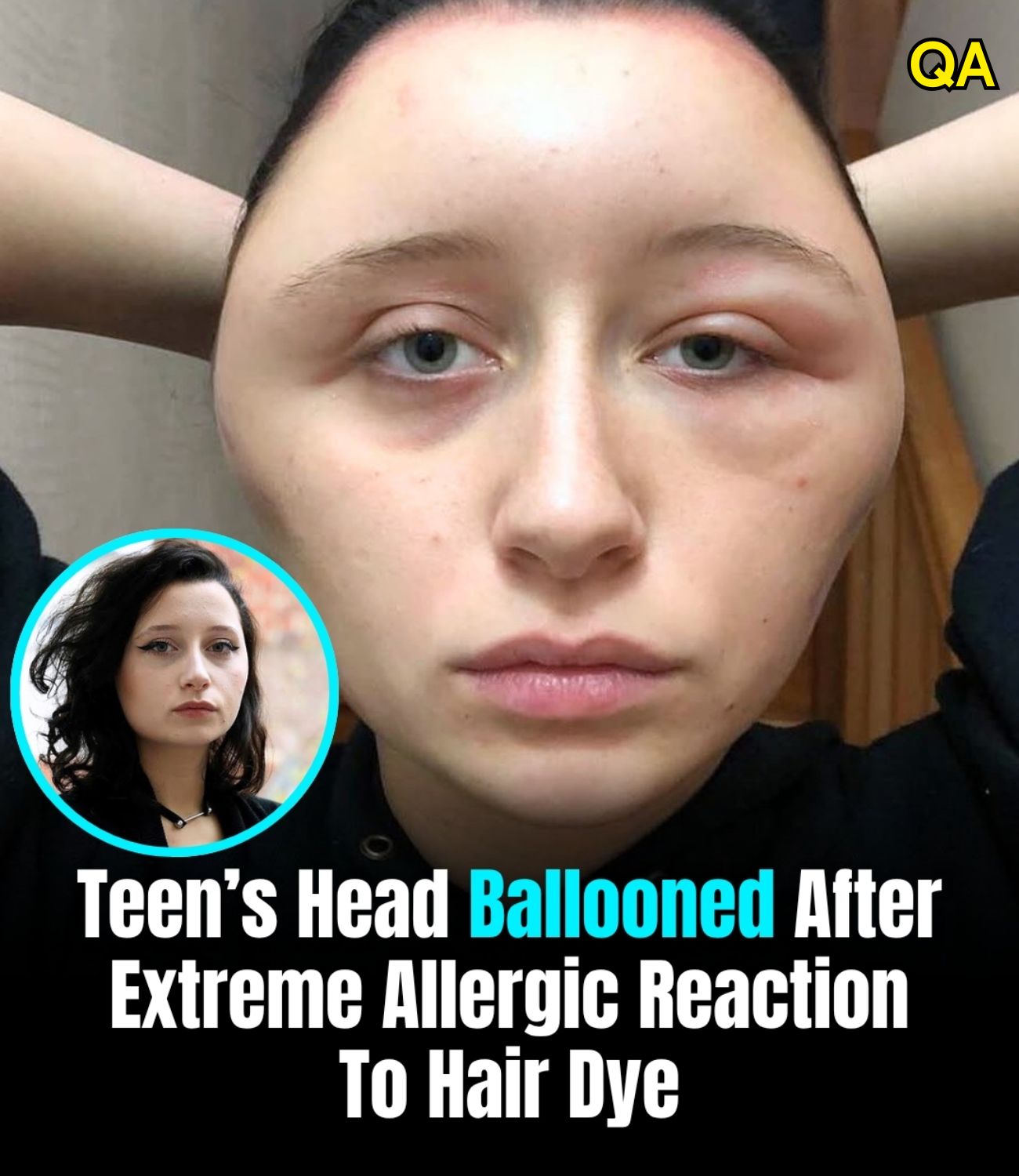

In 2018, a 19-year-old named Estelle decided to refresh her look by dyeing her hair a darker shade. Like many people, she picked up a box dye from a supermarket, followed the instructions, and performed a patch test beforehand.
However, there was one small difference. Instead of waiting the full recommended time, she checked the result after just 30 minutes.
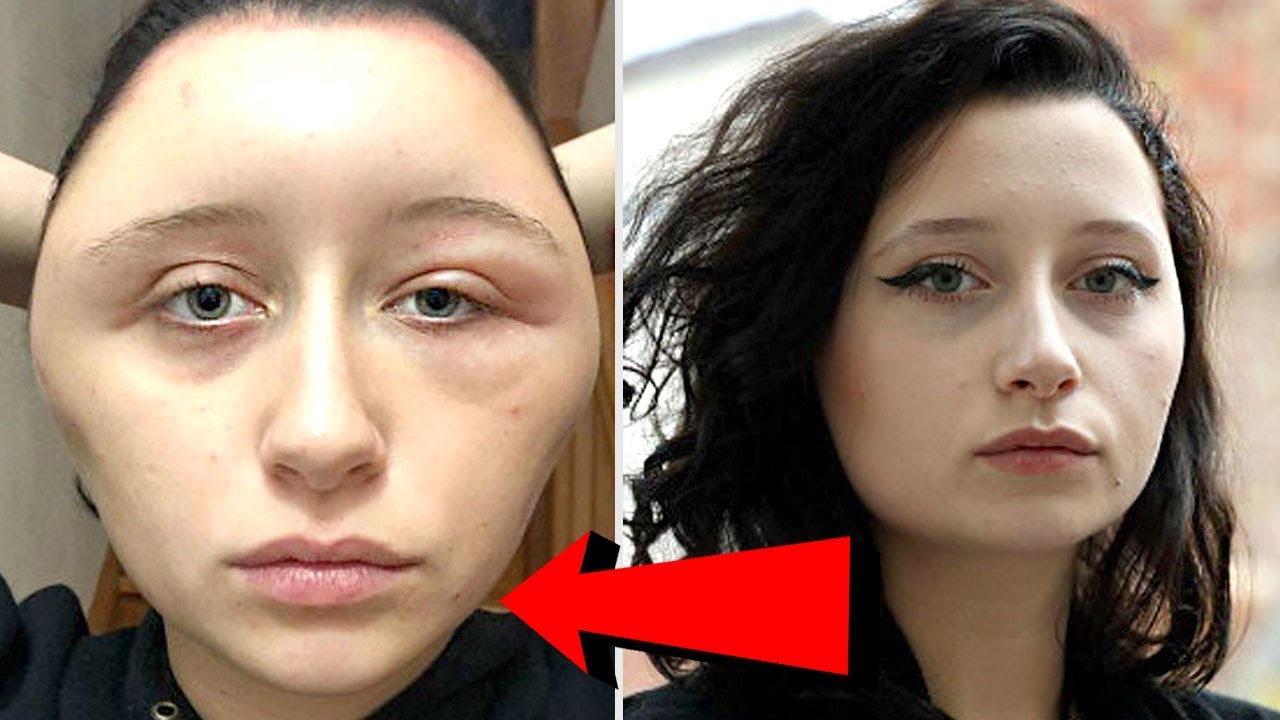
By the next morning, she noticed swelling in her face. As the day progressed, the reaction became more intense, eventually requiring urgent medical care. Doctors treated her quickly, and she recovered. Later, it was identified that she had a severe reaction to Paraphenylenediamine, a substance commonly found in permanent hair dyes.
Her experience serves as an important reminder that even everyday products can carry risks if used without full caution.
What Is Paraphenylenediamine (PPD)?
A Common Ingredient in Hair Dye
Paraphenylenediamine, often abbreviated as PPD, is widely used in permanent and darker hair dyes. It helps create long-lasting, natural-looking color by penetrating the hair shaft and binding with proteins.
Because of its effectiveness, PPD has become a standard ingredient in many commercial products.
Why It Can Cause Reactions
From a scientific perspective, PPD is known to be a potential allergen. This means it can trigger an immune response in some individuals.
According to the American Academy of Dermatology, allergic reactions to hair dye ingredients can develop over time, even in people who have used similar products before without issues.
Understanding Allergic Reactions
How the Body Responds
An allergic reaction occurs when the immune system identifies a substance as harmful, even if it is generally safe for others. In the case of PPD, the body may react by releasing chemicals that cause inflammation.
Symptoms can include:
Skin irritation or redness
Swelling in areas exposed to the product
Itching or discomfort
In more serious cases, the reaction may affect breathing and require immediate medical attention.

Why Timing Matters
Patch tests are designed to detect sensitivity before full use. The reason instructions recommend waiting up to 48 hours is that allergic reactions can take time to develop.
A shorter test period may not reveal delayed responses, which is why following instructions carefully is essential.
The Science Behind Patch Testing
What a Patch Test Does
A patch test involves applying a small amount of product to the skin and observing for any reaction over a set period. This allows the immune system time to respond if sensitivity exists.
Dermatologists often recommend patch testing as a simple but effective safety step.
Common Mistakes
Many people skip or shorten this step, assuming they will not have a reaction. Others may test incorrectly or fail to monitor the area long enough.
Research shows that proper patch testing significantly reduces the risk of unexpected reactions.
Broader Safety Considerations
Not Just One Ingredient
While PPD is one of the most well-known allergens in hair dye, other ingredients can also cause sensitivity. Fragrances, preservatives, and additional chemicals may contribute to reactions.
This is why reading labels and understanding product contents is important.
Professional vs. At-Home Use
Salon professionals are trained to handle hair dye safely and may use alternative products for individuals with sensitivities. However, at-home dyes are widely used and generally safe when instructions are followed.
The key difference lies in awareness and proper use.
Cultural and Beauty Perspectives
The Popularity of Hair Coloring
Hair dyeing is a global practice, spanning cultures and generations. From covering gray hair to experimenting with personal style, it is a form of self-expression.
The Cosmetic Ingredient Review notes that hair dye products undergo safety evaluations, but individual reactions can still vary.
The Balance Between Style and Safety
Modern beauty trends encourage experimentation, but they also highlight the importance of informed choices. Understanding how products work helps ensure that style changes remain safe and enjoyable.
Practical Tips for Safe Hair Dye Use
Always Follow Instructions
Manufacturers provide guidelines for a reason. Following them closely helps reduce risk.
Perform a Full Patch Test
Wait the recommended time, even if it feels inconvenient. This step can prevent more serious issues later.
Check Ingredients
If you have sensitive skin or a history of allergies, look for products labeled as PPD-free or consult a professional.
Seek Medical Advice if Needed
If you experience unusual symptoms after using a product, it is best to consult a healthcare professional promptly.
Why Stories Like This Matter
Learning From Experience
Estelle’s experience highlights how small steps can make a big difference. It is not about fear, but about awareness.
Stories like this help others understand potential risks and make informed decisions.
The Role of Awareness
Public awareness encourages safer practices. When people share their experiences, it contributes to a broader understanding of product safety.

Reflection: Curiosity, Caution, and Everyday Choices
Human curiosity often leads us to try new things, whether it is a new hairstyle, a new product, or a new trend. This curiosity is part of what makes life dynamic and expressive.
At the same time, it reminds us of the importance of caution. Even familiar products deserve attention and respect for their instructions.
In the end, the lesson is simple. Small decisions matter. Taking a little extra time to follow guidance can protect health while still allowing room for creativity and self-expression.
Because the goal is not just to change how we look, but to do so safely and confidently.
Sources
American Academy of Dermatology. Hair Dye Safety and Allergies
U.S. Food and Drug Administration. Cosmetic Product Guidelines
Cosmetic Ingredient Review. Safety Assessment of Hair Dye Ingredients
National Health Service UK. Allergic Reactions and Skin Sensitivity
DermNet NZ. Paraphenylenediamine and Contact Dermatitis
