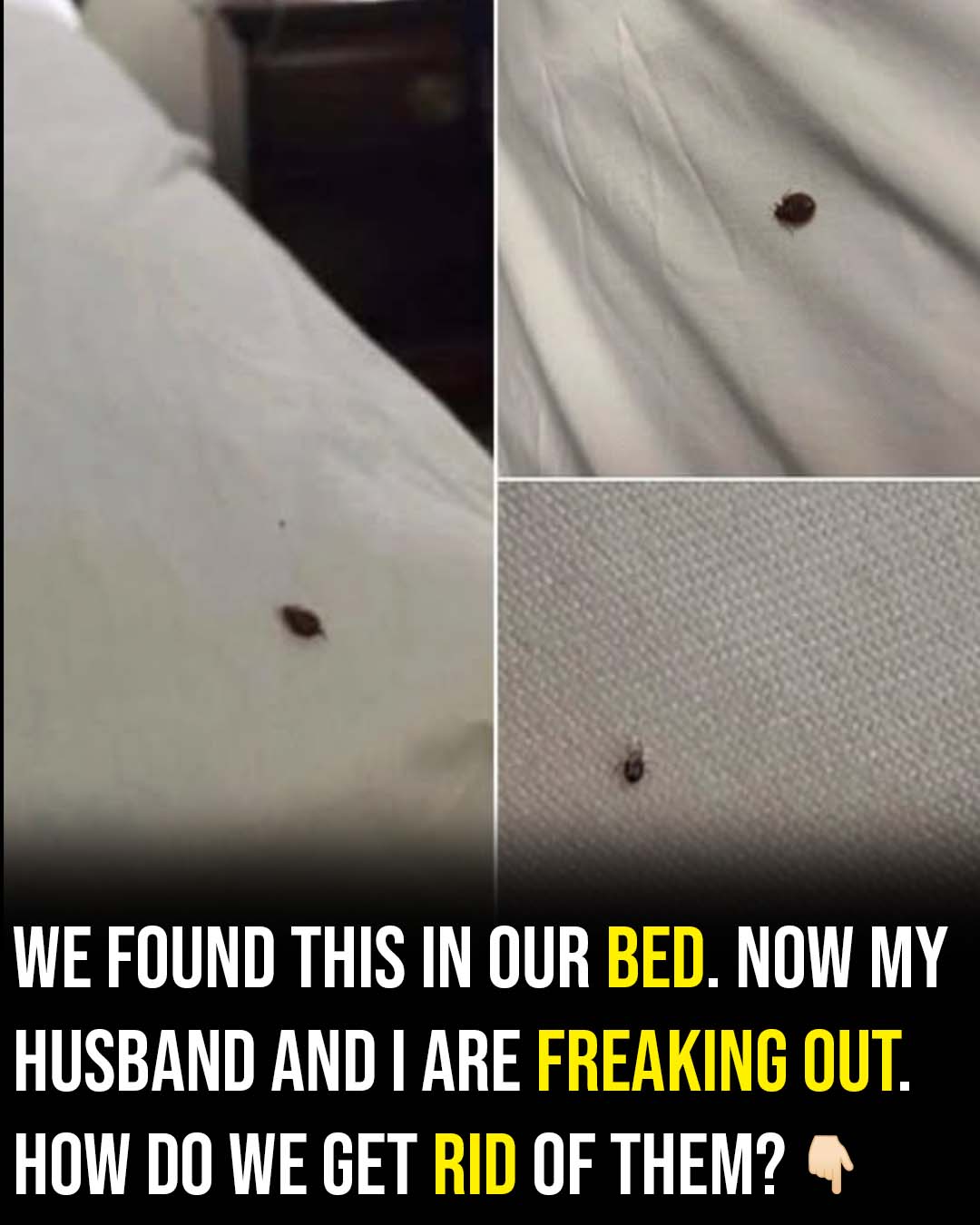

It often starts with something small.
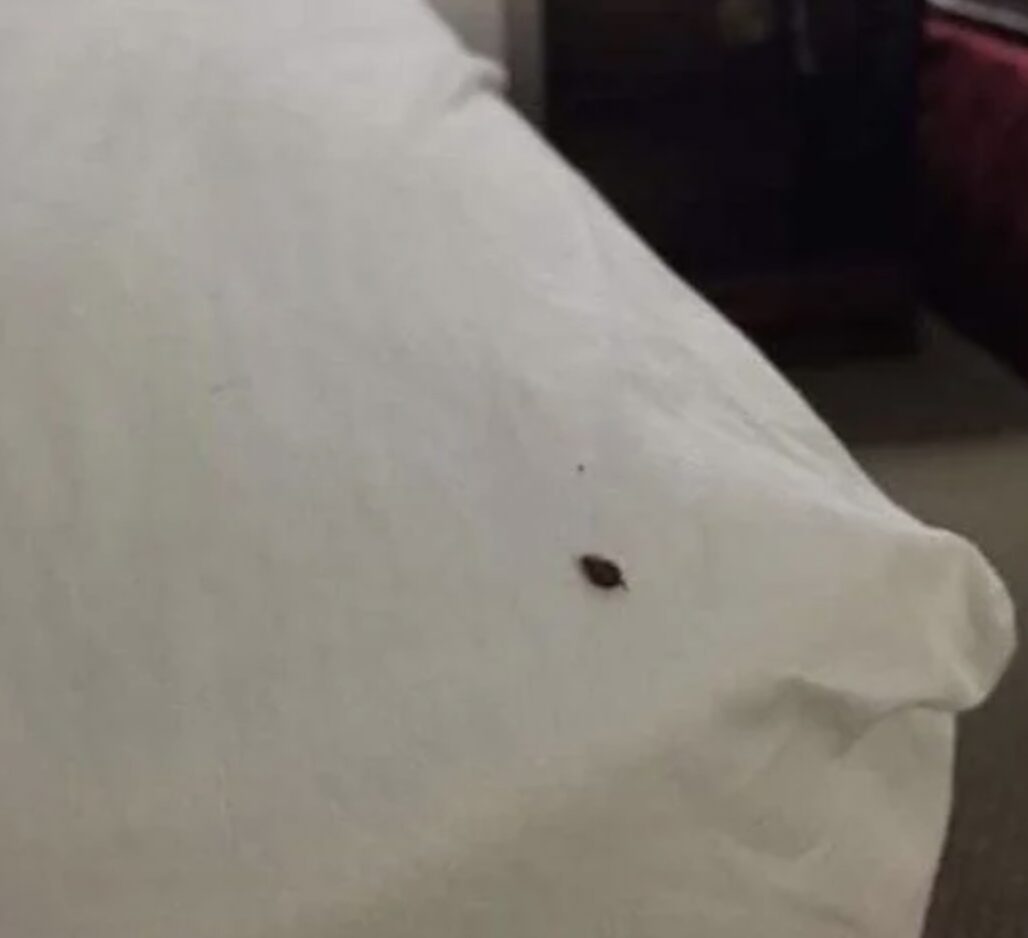
You’re cleaning your home, brushing lint from a blanket, or checking your pet after a walk when you notice a tiny, dark speck. At first, it might look like dirt or a seed. But then it moves.
Suddenly, a simple moment turns into concern.
Ticks are not uncommon in many environments, especially in warmer seasons or homes with pets. While they are part of natural ecosystems, finding one indoors can raise important questions about safety and prevention.

Understanding the Tick
Ticks are small arachnids, related to spiders and mites. They survive by attaching to animals or humans and feeding on blood.
Where Ticks Come From
Ticks are typically found in grassy, wooded, or outdoor areas. They may enter homes by attaching to:
Pets such as dogs or cats
Clothing after outdoor activities
Items like blankets or gear
Once inside, they do not usually reproduce in large numbers like insects, but they can remain a concern if not addressed.
Why Awareness Matters: Health Considerations
While not every tick carries disease, some species are known to transmit illnesses.
Common Tick-Associated Conditions
Ticks have been linked to conditions such as Lyme Disease and Rocky Mountain Spotted Fever.
It is important to note that transmission depends on several factors, including the type of tick and the duration of attachment.
Organizations like the Centers for Disease Control and Prevention provide guidance on prevention and awareness.
Step One: Identify and Isolate
If you find a tick indoors, begin by identifying where it is located.
Limit Exposure
Keep children and pets away from the area until the situation is handled. This reduces the chance of the tick attaching to another host.
Avoid Direct Contact
Using gloves or a barrier helps prevent accidental contact.

Step Two: Remove the Tick Carefully
If a tick is attached to skin, proper removal is important.
Safe Removal Method
Use fine-tipped tweezers to grasp the tick as close to the skin as possible.
Pull upward steadily without twisting or jerking.
After removal, clean the area with soap and water or alcohol.
Avoid squeezing or crushing the tick directly against the skin.
Disposal
Ticks can be placed in alcohol, sealed in a container, or flushed away to ensure they do not return.
Step Three: Clean the Area Thoroughly
Ticks may hide in fabrics or small spaces, so cleaning is an important step.
What to Do
Wash clothing and bedding on high heat
Vacuum carpets, corners, and furniture
Pay attention to pet resting areas
These actions help reduce the chance of lingering ticks.
Step Four: Monitor and Stay Informed
After a tick encounter, it is wise to observe for any unusual signs.
What to Watch For
Changes around the bite area
Unusual fatigue or discomfort
General changes in well-being
If concerns arise, consulting a healthcare professional is recommended.
Prevention: Reducing the Chances of Future Encounters
Protecting Your Home
Check pets regularly, especially after outdoor activities
Keep lawns trimmed and reduce dense vegetation near living areas
Use veterinarian-recommended tick prevention for pets
Personal Precautions
When spending time outdoors:
Wear long sleeves and pants
Use insect repellents when appropriate
Check clothing and skin after returning indoors
Cultural Perception of “Creepy Crawlies”
Ticks often trigger strong reactions, more so than many other small creatures.
Why They Feel Unsettling
Their small size, hidden movement, and association with health concerns contribute to discomfort. This reaction is natural and rooted in human instinct to avoid potential threats.
Balancing Fear With Knowledge
Understanding how ticks behave and how to handle them can replace fear with confidence.

A Reflection on Curiosity and Awareness
Why does finding a tick feel so alarming?
Perhaps it is because it disrupts our sense of control within our own space. Something small and unnoticed suddenly becomes significant.
From a scientific perspective, ticks are part of natural ecosystems, playing roles we may not always see.
From a human perspective, they represent the importance of awareness, prevention, and care.
Between these perspectives lies curiosity.
Curiosity about the hidden interactions between humans and nature. Curiosity about how small encounters can lead to learning. And curiosity about how knowledge transforms uncertainty into understanding.
In the end, finding a tick is not just a moment of concern.
It is also an opportunity to better understand the world we live in—and how to navigate it safely.
Sources
Centers for Disease Control and Prevention (CDC). Tick Removal and Prevention. https://www.cdc.gov
World Health Organization (WHO). Vector-Borne Diseases Overview. https://www.who.int
Mayo Clinic. Tick Bites: Symptoms and Care. https://www.mayoclinic.org
Encyclopaedia Britannica. Tick Biology and Behavior. https://www.britannica.com
Eisen, Lars. “Tick-Borne Disease Awareness.” Annual Review of Entomology
