
It often begins with something simple. A person wakes up one morning with slightly itchy eyes, mild irritation around the lashes, or a feeling that something tiny is stuck near the eyelid. At first, it may seem like ordinary tiredness, seasonal dryness, or sensitivity from screen time. But after days or weeks, curiosity grows. What could be causing the discomfort?
For many people, the answer may involve microscopic organisms known as eyelash mites. While the idea can sound surprising, these tiny creatures are actually a natural part of human skin biology. Most adults have them without ever noticing. They quietly exist around hair follicles and oil glands, especially near the eyelashes.
In recent years, online discussions and health articles have sparked renewed interest in Demodex mites, sometimes leading to dramatic claims or exaggerated fears. Yet scientists and eye specialists generally describe them as common organisms that only become problematic under certain conditions.
Understanding the balance between myth and medical science is important. By learning how eyelash mites work, what symptoms may appear, and how hygiene can help, people can make informed decisions without unnecessary worry.
What Are Eyelash Mites?
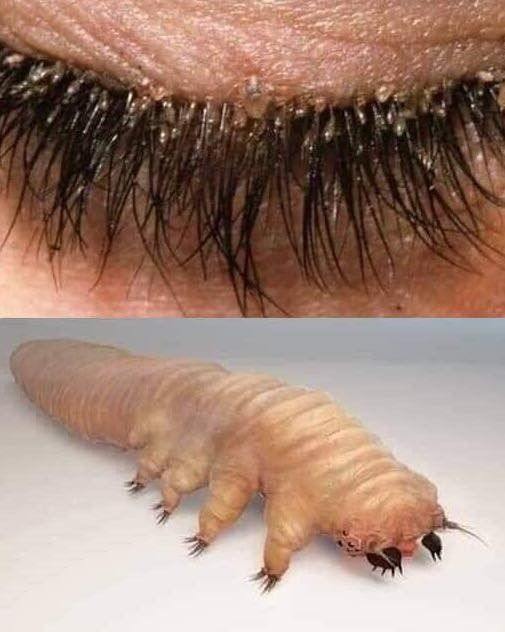
Eyelash mites are microscopic organisms scientifically known as Demodex mites. Two common types are associated with humans.
One is called Demodex folliculorum, which tends to live in hair follicles, especially around eyelashes. The second is Demodex brevis, which prefers oil glands near the skin surface.
Because these mites are so small, they cannot be seen with the naked eye. Most people never realize they have them. In fact, studies suggest that a large percentage of adults naturally host Demodex mites as part of the skin’s ecosystem.
Scientists believe these organisms feed on oils, dead skin cells, and debris found around follicles. In balanced numbers, they usually do not cause noticeable problems.
However, when mite populations increase significantly, irritation may develop around the eyes and eyelids.

Why People Have Become Fascinated by Eyelash Mites
The idea that tiny organisms live on human skin has fascinated cultures for generations. Throughout history, people have imagined invisible worlds existing beyond normal sight. Ancient stories often described unseen creatures influencing health, luck, or physical well-being.
Today, modern microscopes have transformed mystery into science. What once belonged to folklore or speculation can now be observed in laboratories and medical clinics.
Social media has also amplified public curiosity. Videos and articles discussing microscopic life often attract attention because they reveal hidden aspects of the human body. Some content creators present Demodex mites dramatically, which can make the topic feel alarming.
Medical experts, however, encourage a calmer perspective. They explain that eyelash mites are not unusual intruders but common organisms that coexist with humans naturally. The important issue is not their mere presence, but whether an imbalance develops.
Common Symptoms Linked to Eyelash Mites
Most individuals with Demodex mites experience no symptoms at all. Problems tend to appear only when populations become excessive or when the skin becomes more sensitive.
Some commonly reported symptoms include:
Itchy Eyelids
Persistent itching around the eyelids is one of the most frequently discussed signs. This irritation may feel stronger in the morning.
Redness and Swelling
Inflammation near the lash line can make the eyelids appear slightly swollen or red.
Crust Around Eyelashes
Some people notice small flakes or debris collecting near the base of the lashes.
Burning or Gritty Sensation
The eyes may feel dry, irritated, or as though tiny particles are present.
Increased Sensitivity
Bright light or environmental factors may become more uncomfortable than usual.
Thinning Eyelashes
In certain cases, irritation near follicles may contribute to weaker or thinner lashes over time.
These symptoms are not unique to eyelash mites alone. Similar irritation can also result from allergies, dry eye syndrome, environmental conditions, or other eye-related concerns. That is why proper medical evaluation is important.

The Scientific Connection to Blepharitis
One condition often linked with excessive Demodex populations is blepharitis, an inflammation of the eyelids.
Blepharitis is relatively common and may involve redness, irritation, or crusting near the lashes. Researchers have explored whether Demodex mites contribute to some cases by increasing inflammation or disrupting the natural balance around the eyelids.
Scientific studies continue to investigate the exact relationship. While evidence suggests an association in certain patients, experts caution that blepharitis can have multiple causes. Bacteria, skin conditions, allergies, and gland dysfunction may also play a role.
This balanced scientific approach is important because it avoids oversimplifying a complex issue.
Who May Be More Likely to Experience Problems?
Researchers believe several factors may increase the likelihood of Demodex overgrowth.
Aging
Studies suggest mite populations may naturally increase with age.
Reduced Immune Balance
Individuals with weakened immune responses may sometimes experience higher mite activity.
Skin Oil Changes
Changes in oil production around the skin and eyelids can affect the environment where mites live.
Poor Eyelid Hygiene
Irregular cleansing around the eyes may allow debris and oils to accumulate.
Existing Skin Conditions
Certain skin conditions may create circumstances that support irritation or imbalance.
Even with these factors, many people still experience no symptoms. Scientists emphasize that Demodex presence alone does not automatically indicate disease.
Myths and Misunderstandings About Eyelash Mites
The internet has contributed to several myths surrounding eyelash mites. Understanding the facts can help reduce unnecessary fear.
Myth 1: Eyelash Mites Mean Poor Cleanliness
This is one of the most common misconceptions. In reality, Demodex mites are extremely common among healthy adults. Their presence does not automatically mean someone has poor hygiene.
Myth 2: Everyone With Mites Needs Treatment
Because many people have no symptoms, treatment is not always necessary. Doctors usually focus on managing symptoms and restoring balance rather than eliminating every mite.
Myth 3: Eyelash Mites Are Dangerous
Most medical experts describe Demodex mites as generally harmless in normal amounts. Problems mainly arise when overgrowth contributes to irritation.
Myth 4: Home Remedies Always Work
Online advice sometimes promotes unverified solutions. Some products or harsh cleaning methods may irritate the sensitive eye area further. Professional guidance is safer when symptoms persist.
How Doctors Diagnose Eyelash Mites
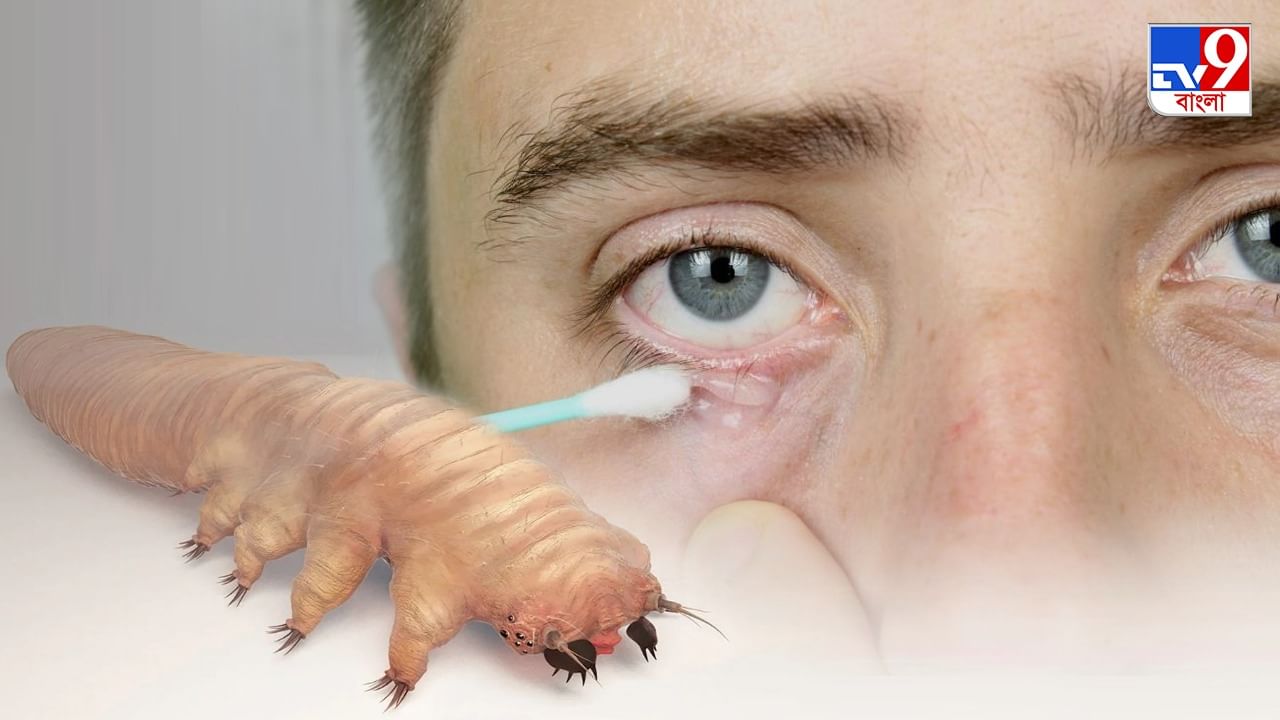
Eye specialists often diagnose Demodex-related issues through examination of the eyelids and lashes.
In some cases, a doctor may use magnification tools to inspect the base of the eyelashes. Occasionally, a few lashes are examined under a microscope to confirm the presence of mites.
Because symptoms overlap with many other eye conditions, professional evaluation helps ensure accurate diagnosis and appropriate care.
Hygiene and Prevention Tips
Maintaining healthy eyelid hygiene is one of the most widely recommended approaches for reducing irritation associated with eyelash mites.
Clean the Eyelid Area Gently
Using a mild, fragrance-free cleanser can help remove excess oils and debris.
Remove Eye Makeup Carefully
Leaving makeup residue near the lashes may contribute to irritation.
Wash Bedding Regularly
Clean pillowcases and towels may support better skin hygiene overall.
Avoid Sharing Eye Products
Mascara, brushes, and eye cosmetics are best kept personal.
Manage Dry Eyes and Irritation
Addressing underlying eye discomfort may help reduce inflammation around the eyelids.
Doctors may sometimes recommend specialized eyelid cleansers or treatments for persistent symptoms. These should be used according to professional advice.
The Growing Interest in Microscopic Life
The popularity of topics like eyelash mites reflects a broader fascination with the hidden biological world. Advances in science have revealed that the human body hosts vast communities of microscopic organisms, many of which play normal or even beneficial roles.
Researchers studying the skin microbiome continue to discover how bacteria, fungi, and microscopic organisms interact with human health. Rather than viewing all microbes as harmful, modern science increasingly focuses on balance and coexistence.
This perspective helps explain why Demodex mites are now discussed less as frightening invaders and more as part of a larger ecosystem connected to human biology.
When to Seek Professional Advice
Occasional mild irritation around the eyes may not always indicate a serious issue. However, persistent symptoms deserve medical attention.
People should consider consulting an eye care professional if they experience:
Ongoing Redness
Symptoms that continue despite basic hygiene may require evaluation.
Repeated Irritation
Frequent burning, itching, or crusting around the eyelids should not be ignored.
Vision Changes
Any noticeable changes involving vision should be assessed promptly.
Lash Loss or Swelling
Persistent swelling or thinning lashes may indicate inflammation that needs professional care.
Eye specialists can determine whether Demodex mites, allergies, dry eyes, or another condition may be contributing to symptoms.
Cultural Curiosity and the Invisible World
Throughout history, humans have been captivated by things too small to see. Ancient cultures imagined invisible forces affecting everyday life long before microscopes existed. Today, science has transformed many mysteries into measurable biological realities.
Eyelash mites represent an interesting example of how modern discoveries can feel both strange and familiar. They remind people that the human body is connected to a much larger microscopic universe.
At the same time, scientific understanding encourages perspective. Not every hidden organism is harmful, and not every unusual discovery should inspire fear. Often, the truth lies somewhere between myth and reality.

Conclusion
Eyelash mites may sound unusual at first, but they are a natural part of life for many people. Most individuals never notice them, and in balanced numbers they are generally harmless. Problems tend to arise only when irritation, inflammation, or overgrowth occurs.
The growing public fascination with Demodex mites reflects humanity’s enduring curiosity about the unseen world. Stories and online discussions may sometimes exaggerate the topic, but scientific research provides a calmer and more balanced understanding.
By practicing good eyelid hygiene, staying informed, and consulting professionals when symptoms persist, people can approach the subject with confidence rather than fear.
In the end, the story of eyelash mites is not simply about microscopic organisms. It is also about human curiosity itself, and the desire to understand the hidden details of the world we live in every day.
Sources
American Academy of Ophthalmology
National Center for Biotechnology Information (NCBI)
