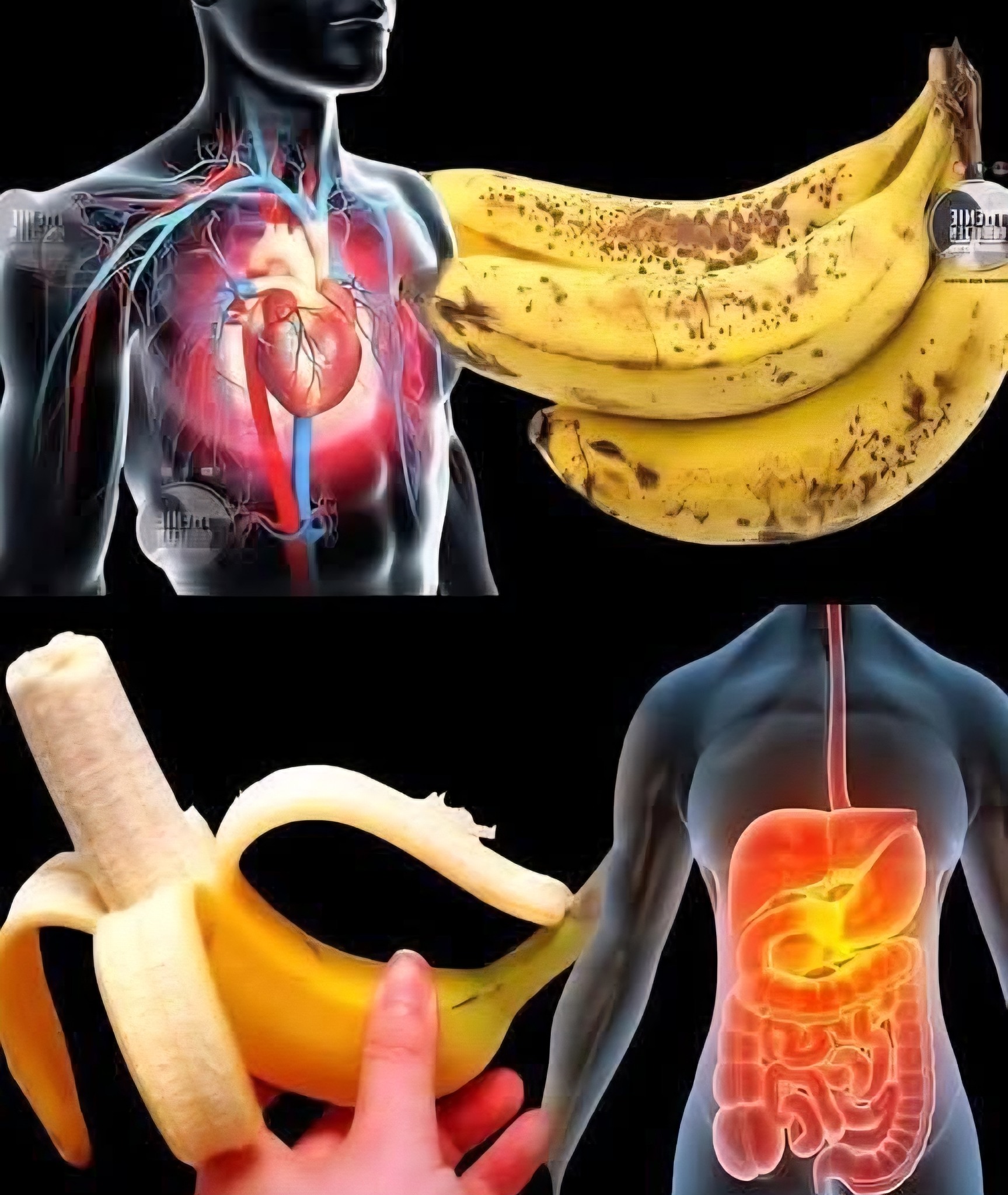

Walk into any kitchen, gym, or grocery store, and you will likely find bananas within easy reach. The banana is one of the most recognizable and widely consumed fruits in the world. It is affordable, convenient, and naturally sweet, making it a favorite for people of all ages.
Yet despite its popularity, bananas have become the subject of ongoing debate in the nutrition world. Some praise them as the perfect natural fuel, while others avoid them due to concerns about sugar, weight gain, or other misunderstood claims.
So what is the truth?
This article explores the real science behind bananas, separating evidence-based benefits from viral myths, while taking a balanced and practical approach to everyday nutrition.
The Nutrient Profile: What’s Inside a Banana?
At first glance, a banana may seem like a simple snack. But beneath its peel lies a rich combination of essential nutrients that support overall health.
A medium banana typically contains around 100 to 110 calories and offers a variety of vitamins and minerals that the body needs daily.
Key Nutrients Found in Bananas
Bananas are particularly known for their high levels of Potassium, which plays a crucial role in maintaining normal body function. They also provide Vitamin B6, important for brain development and nervous system health, along with Vitamin C, a well-known antioxidant that supports immunity and skin health.
In addition, bananas contain Magnesium and dietary Fiber, both of which contribute to digestion, muscle function, and overall metabolic balance.
They are naturally low in fat and contain minimal protein, making them a clean and efficient source of carbohydrates, the body’s primary energy source.
Supporting Heart Health Through Potassium
One of the most widely recognized benefits of bananas is their role in supporting cardiovascular health.
Potassium helps regulate blood pressure by balancing sodium levels in the body. When sodium intake is high, it can contribute to increased pressure in blood vessels. Potassium helps counteract this effect by promoting the excretion of excess sodium and relaxing blood vessel walls.
This balance is essential for maintaining a healthy heart rhythm and proper circulation.
Health organizations such as Cleveland Clinic have highlighted the importance of potassium-rich diets in supporting long-term heart health. Including bananas as part of a balanced diet can be a simple way to improve this nutrient intake.
Digestive Health and the Gut Microbiome
Bananas are often recommended for digestive comfort, and for good reason.
They contain both soluble fiber and a special type of carbohydrate known as resistant starch, especially in slightly unripe bananas. This resistant starch acts as a prebiotic, meaning it feeds beneficial bacteria in the gut.
These bacteria play an important role in maintaining digestive balance, supporting nutrient absorption, and contributing to overall well-being.
The fermentation of resistant starch in the gut produces compounds that help support the intestinal lining and promote digestive comfort. This is one reason bananas are commonly included in gentle diets designed for sensitive stomachs.
A Natural Energy Source for Daily Life
Bananas are often called nature’s energy bar, and this description is well deserved.
They contain natural sugars such as glucose, fructose, and sucrose, which provide quick and sustained energy. Unlike highly processed snacks, bananas also contain fiber, which helps slow the release of sugar into the bloodstream.
This combination makes them an excellent option before physical activity or as a midday energy boost.
It is no coincidence that athletes frequently reach for bananas during training or competition. Their convenience and nutritional profile make them a practical and effective fuel source.
Understanding the Blood Sugar Debate
One of the most common concerns about bananas is their sugar content. Because they taste sweet, many people assume they cause sharp increases in blood sugar.
However, the reality is more nuanced.
Bananas have a moderate score on the Glycemic Index, typically ranging from low to medium depending on ripeness. Less ripe bananas tend to have a lower glycemic impact due to higher resistant starch content.
The presence of fiber also helps slow digestion, reducing rapid spikes in blood sugar compared to highly processed foods.
For most healthy individuals, bananas can be part of a balanced diet. Those with specific health conditions may need to monitor portion sizes, ideally in consultation with a healthcare professional.
Do Bananas Cause Weight Gain?
Another widespread myth is that bananas contribute to weight gain. This belief often comes from their carbohydrate content.
In reality, weight management depends on overall calorie balance rather than a single food.
Bananas can actually support weight control because they promote satiety. The fiber content helps you feel full longer, which may reduce the likelihood of overeating processed snacks.
Replacing high-calorie, low-nutrient foods with a banana can be a smart and simple dietary choice.
Antioxidants and Long-Term Health
While berries often receive attention for their antioxidant content, bananas also provide beneficial compounds.
They contain natural antioxidants such as flavonoids and other plant-based compounds that help neutralize oxidative stress in the body. Oxidative stress is a natural process but, over time, can contribute to aging and various health conditions.
In addition, the vitamin C in bananas further supports the body’s defense systems and overall resilience.
Kidney Health and Nutrient Balance
Bananas may also play a role in supporting kidney health due to their potassium content and their contribution to balanced blood pressure.
Some long-term observational studies suggest that regular consumption of potassium-rich foods is associated with better kidney function over time.
However, individuals with certain medical conditions, particularly those involving kidney function, may need to monitor potassium intake carefully. In such cases, personalized medical guidance is important.
Debunking Common Banana Myths
In the age of viral content, nutrition myths can spread quickly. Let’s take a closer look at some of the most common misconceptions.
Myth 1: Bananas Contain Too Much Sugar
While bananas do contain natural sugars, they also provide fiber, vitamins, and minerals. This combination makes them very different from sugary processed foods.
Whole fruits offer nutritional value that goes beyond their sugar content.
Myth 2: Bananas Are the Best Source of Potassium
Bananas are a convenient source of potassium, but they are not the only option. Foods like leafy greens, avocados, and sweet potatoes can contain even higher levels.
The strength of bananas lies in their accessibility and ease of consumption.
Myth 3: Bananas Are Harmful Due to Natural Radioactivity
Bananas do contain a naturally occurring isotope known as potassium-40. However, the amount is extremely small and harmless in normal dietary intake.
This fact is often shared in a humorous context rather than a serious health concern.
Myth 4: Smoothies Reduce Banana Nutrition
Some discussions suggest that blending bananas with other fruits reduces their nutritional value.
In reality, while certain chemical reactions may occur in controlled environments, everyday smoothies still retain most of their beneficial nutrients, including fiber and vitamins.
Are There Any Downsides?
Like any food, bananas are best consumed in moderation.
Eating excessive amounts may lead to digestive discomfort due to high fiber intake. Extremely high potassium intake is rare but can be a concern in specific medical situations.
Additionally, because bananas contain natural sugars and starches, maintaining good dental hygiene is important.
For most people, consuming one to two bananas per day is a balanced and reasonable approach.
A Practical and Affordable Superfood
One of the most compelling aspects of bananas is their simplicity. They do not require preparation, are widely available, and fit easily into a variety of meals.
They can be added to breakfast, used in smoothies, paired with grains like oats, or enjoyed on their own as a quick snack.
In a world where nutrition is often associated with complex diets and expensive ingredients, bananas serve as a reminder that healthy choices can be both simple and accessible.
Reflection: Simplicity in a World of Complexity
The story of bananas reflects a broader truth about modern nutrition. Information is abundant, but not all of it is accurate. Myths can spread quickly, especially when they are simple or emotionally appealing.
By looking at evidence and understanding context, we can make more informed decisions about what we eat.
Bananas are not a miracle food, nor are they something to avoid. They are a practical, nutritious option that fits well within a balanced lifestyle.
Sometimes, the most effective choices are also the simplest. And in the case of bananas, that simplicity may be exactly what makes them so valuable.
Sources
Healthline
Cleveland Clinic
Harvard T.H. Chan School of Public Health
World Health Organization
