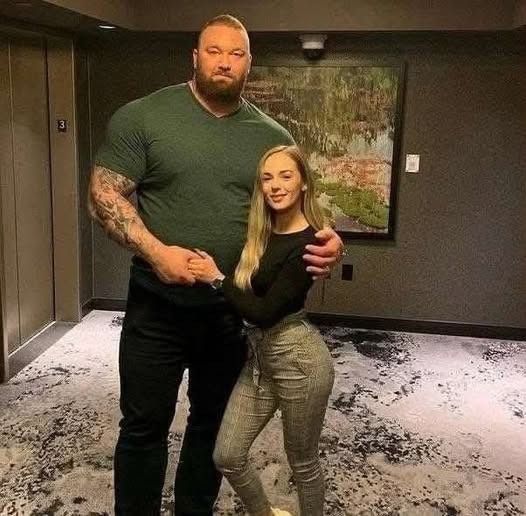

Scroll through any dating app or observe couples in everyday life, and a subtle pattern often appears. Many men seem to prefer women shorter than themselves, while many women lean toward taller partners.
At first glance, this might feel like a coincidence or a cultural trend. But researchers in Evolutionary Psychology suggest there may be deeper influences at play.
Still, before jumping to conclusions, it is important to separate scientific insight from oversimplified or exaggerated claims.

Is Attraction Really “Biological”?
Attraction is complex. It involves biology, culture, personal experience, and individual preference.
Studies published in journals like Frontiers in Psychology have explored patterns in partner preferences across different countries. Some findings suggest that height can influence initial attraction.
However, researchers are careful to frame these as trends—not rules.
Human relationships are shaped by far more than physical traits.
Why Height Might Matter at First Glance
From a biological perspective, certain physical traits can act as signals that the brain interprets quickly.
For example:
Height differences may create visual contrast, which the brain processes easily
Proportions can influence perceptions of balance or compatibility
Familiar social patterns reinforce what people expect to see
In evolutionary discussions, some scientists speculate that physical traits once helped humans make quick decisions about potential partners in uncertain environments.
But it is crucial to understand that these ideas are theoretical and debated—not definitive explanations.
The Role of Culture and Social Norms
What people find attractive is heavily shaped by culture.
In many societies, media and social expectations have reinforced the idea of taller men and shorter women as a “typical” pairing. Over time, these repeated images influence perception.
This means preferences are not purely biological—they are learned, reinforced, and constantly evolving.
As gender roles and social structures change, so do attraction patterns.
Individual Preference Matters More Than Trends
While studies may show general tendencies, real-life relationships rarely follow strict patterns.
Millions of couples around the world do not fit the “taller man, shorter woman” dynamic—and they build strong, lasting relationships.
Why?
Because long-term attraction depends on:
Emotional connection
Shared values
Communication
Mutual respect
Physical traits may shape first impressions, but they do not determine relationship success.
The Psychology Behind Attraction
In Psychology, attraction is understood as a combination of multiple factors:
Familiarity: People often prefer what feels socially “normal”
Confidence: Self-perception influences how attractive someone appears
Context: Preferences can change depending on situation and life stage
For example, what someone looks for in a casual interaction may differ from what they value in a long-term partner.

The Impact on Self-Perception
Height-related preferences can sometimes affect confidence.
Some individuals may feel pressure to match perceived ideals, even when those ideals are not universal.
Research shows that self-confidence and authenticity often matter more than physical traits in forming meaningful connections.
Understanding this can help reduce unnecessary comparison and encourage healthier self-image.
Are These Preferences Changing?
Yes—and quite noticeably.
As societies become more open and diverse, traditional expectations around relationships are shifting.
People are increasingly prioritizing:
Emotional intelligence
Shared goals
Personal growth
This shift reflects a broader move away from rigid standards toward more individualized definitions of attraction.
Separating Myth From Reality
Headlines often exaggerate scientific findings with phrases like “hardwired attraction” or “biological addiction.”
In reality:
Science identifies patterns, not rules
Preferences vary widely between individuals
Cultural influence is just as strong as biology
The idea that one group is universally “attracted” to another based on a single trait oversimplifies human behavior.

What Actually Builds Lasting Relationships
Long-term relationship success is rarely determined by physical characteristics.
Instead, studies consistently highlight factors such as:
Trust and communication
Emotional support
Shared experiences
Adaptability over time
These elements create connection far beyond initial attraction.
A Reflection on Human Nature
Humans are naturally curious about attraction. We want to understand why we feel drawn to certain people and not others.
Science offers pieces of the puzzle—but not the full picture.
Height, appearance, and first impressions may open the door.
But what keeps people together is something deeper, shaped by experience, emotion, and choice.
In the end, attraction is not a fixed formula. It is a dynamic interplay between instinct, culture, and individuality.
And perhaps that is what makes it so endlessly fascinating.
