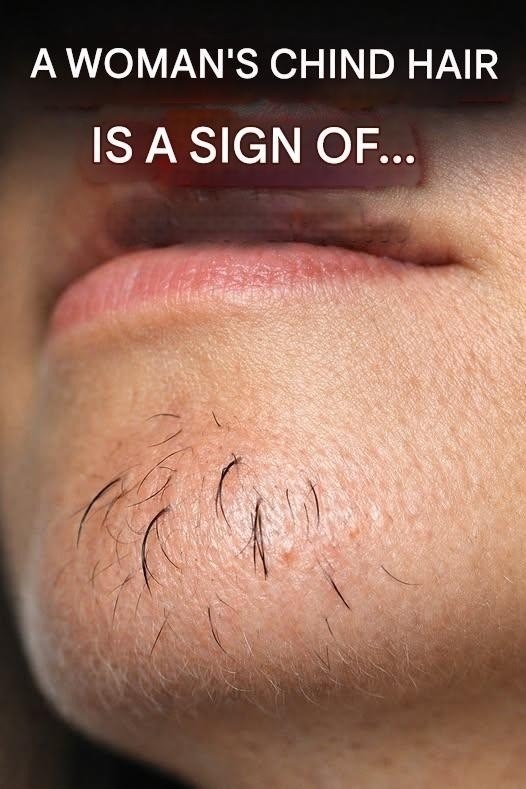

Many women notice an occasional dark chin hair at some point in their lives. For some, it appears gradually over the years. For others, the change seems sudden and unexpected, often leading to questions about hormones, aging, or overall health.
While facial hair growth in women can sometimes feel uncomfortable or surprising, medical experts emphasize that mild chin hair growth is extremely common and often completely normal. Hormonal changes, genetics, aging, and even stress can all influence how hair grows on the body over time.
At the same time, doctors note that certain patterns of facial hair growth may occasionally signal underlying hormonal imbalances worth discussing with a healthcare professional. Understanding the science behind these changes can help reduce unnecessary worry while encouraging awareness of symptoms that deserve medical attention.

Why Women Naturally Have Facial Hair
All humans, regardless of sex, have hair follicles across most areas of the body. Women naturally produce facial hair too, although it is often finer, lighter, and less noticeable than in men.
Hair growth patterns are strongly influenced by hormones called androgens, including testosterone. Although testosterone is commonly associated with men, women also produce small amounts of it in the ovaries and adrenal glands.
These hormones help regulate several important body functions, including muscle development, bone strength, mood, and libido. When androgen activity increases, some hair follicles may begin producing thicker, darker hairs in areas such as the chin, jawline, upper lip, chest, or abdomen.
This condition is known medically as hirsutism.
What Is Hirsutism?
Hirsutism refers to excessive coarse or dark hair growth in women in areas where hair is typically more noticeable in men.
Hirsutism itself is not a disease, but rather a symptom linked to hormone activity or hair follicle sensitivity. The severity can vary widely. Some women may only notice a few isolated hairs, while others experience more extensive growth patterns over time.
Doctors often evaluate hirsutism by considering several factors, including:
• How quickly the hair appeared
• Whether the hair growth is increasing
• The location and thickness of the hair
• Whether other symptoms are present
Mild cases are extremely common and may simply reflect genetics or normal hormonal aging.

The Role of Hormones in Chin Hair Growth
Hormones act as chemical messengers throughout the body, and even small hormonal shifts can influence hair follicles.
Androgens play the largest role in facial hair growth. When androgen levels rise or when hair follicles become more sensitive to these hormones, coarse hair growth may become more visible.
Some women naturally have hair follicles that react strongly even to normal hormone levels. Others experience changes during periods of hormonal transition, such as puberty, pregnancy, or menopause.
Importantly, increased facial hair does not automatically mean hormone levels are dangerously high. In many cases, the body is simply responding differently to natural hormonal fluctuations.
Polycystic Ovary Syndrome and Facial Hair
One of the most commonly discussed medical causes of increased facial hair growth is Polycystic Ovary Syndrome, often called PCOS.
PCOS is a hormonal condition that affects millions of women worldwide. It is commonly associated with irregular ovulation and increased androgen activity.
Women with PCOS may experience symptoms such as:
• Irregular menstrual cycles
• Acne or oily skin
• Weight changes
• Thinning scalp hair
• Increased facial or body hair growth
Researchers also study the relationship between PCOS and insulin resistance, which may influence hormone regulation.
The severity of symptoms varies widely. Some women experience only mild signs, while others require long-term medical support and lifestyle management.
Menopause and Changing Hair Patterns
Many women first notice chin hairs becoming more visible during midlife and menopause.
During menopause, estrogen levels naturally decline. As estrogen decreases, androgen effects may become more noticeable even if testosterone levels themselves do not significantly increase.
This hormonal shift can change hair growth patterns throughout the body. Some women notice thinning scalp hair while simultaneously developing coarser hairs on the chin or upper lip.
Doctors explain that these changes are a common part of aging and not necessarily a sign of illness.
Genetics also strongly influence how noticeable these changes become. Women with close relatives who experienced facial hair growth are more likely to notice similar patterns themselves.
Genetics and Hair Follicle Sensitivity
In some cases, doctors cannot identify a specific hormonal disorder behind facial hair growth. This is called idiopathic hirsutism.
The word “idiopathic” simply means there is no obvious medical explanation. Often, genetics and inherited hair follicle sensitivity play a major role.
Hair texture, color, density, and hormone responsiveness vary naturally between individuals and ethnic backgrounds. Some women simply have follicles that respond more actively to normal androgen levels.
This type of facial hair growth is usually stable and develops gradually over time rather than appearing suddenly.
Medications That May Influence Hair Growth
Certain medications may contribute to increased hair growth as a side effect.
Examples sometimes include:
• Minoxidil
• Some hormone-based therapies
• Anabolic steroid medications
• Certain treatments affecting hormone balance
Medication-related hair growth often improves once the treatment changes or stops, though patients should always consult healthcare professionals before making adjustments to prescribed medications.

Rare Hormonal Conditions Doctors Watch For
Although uncommon, doctors may occasionally investigate more serious hormonal conditions when facial hair growth appears suddenly or alongside other significant symptoms.
Examples may include:
• Cushing’s Syndrome
• Adrenal gland disorders
• Rare hormone-secreting tumors
These conditions are usually associated with additional symptoms beyond chin hair alone, such as rapid physical changes, unusual fatigue, voice changes, or severe menstrual disruption.
Healthcare providers often use blood tests, medical history, and physical evaluations to determine whether further investigation is needed.
When Should Someone Speak With a Doctor?
Medical experts generally recommend discussing facial hair changes with a healthcare provider if:
• Hair growth becomes sudden or rapid
• Menstrual cycles become irregular
• Acne significantly worsens
• Scalp hair thinning increases noticeably
• Voice changes occur
• Other hormonal symptoms appear
Doctors can help determine whether the changes reflect normal aging, genetics, or an underlying hormonal issue.
In many cases, the explanation turns out to be manageable and non-serious.
Modern Approaches to Managing Facial Hair
Today, women have many options for managing unwanted facial hair depending on personal preference and medical needs.
Common cosmetic approaches include:
• Tweezing
• Waxing
• Threading
• Shaving
• Laser hair reduction
• Electrolysis
Medical treatments may also help when hormonal imbalances are involved. Doctors sometimes recommend hormone-regulating medications or lifestyle adjustments depending on the underlying cause.
Importantly, many experts encourage reducing stigma around female facial hair. Mild facial hair growth is far more common than many people realize and does not define femininity, health, or attractiveness.
The Cultural History of Facial Hair and Beauty Standards
Ideas about body hair have changed dramatically across cultures and historical periods.
In some ancient societies, body hair carried little social significance. In modern times, beauty standards promoted through advertising and media often encourage hairless ideals, especially for women.
As conversations about body positivity and natural aging grow more common, public attitudes toward facial hair are gradually becoming more open and realistic.
Many women now speak more openly about hormonal changes, menopause, and cosmetic choices without the secrecy that surrounded these topics in previous generations.
Conclusion
Finding a few chin hairs is usually a normal part of life and aging for many women. Hormones, genetics, and natural biological changes all influence how hair grows over time.
While some cases may reflect conditions such as PCOS or other hormonal imbalances, many women experience mild facial hair growth without any serious medical issue at all.
The most important step is awareness rather than fear. Sudden or significant changes deserve medical attention, but ordinary chin hairs are often simply part of the body’s natural variation.
As science continues improving understanding of hormones and aging, conversations around women’s health are becoming more informed, compassionate, and realistic. In the end, small changes like chin hair growth remind us that the human body is constantly evolving throughout life — shaped by biology, genetics, and time itself.
