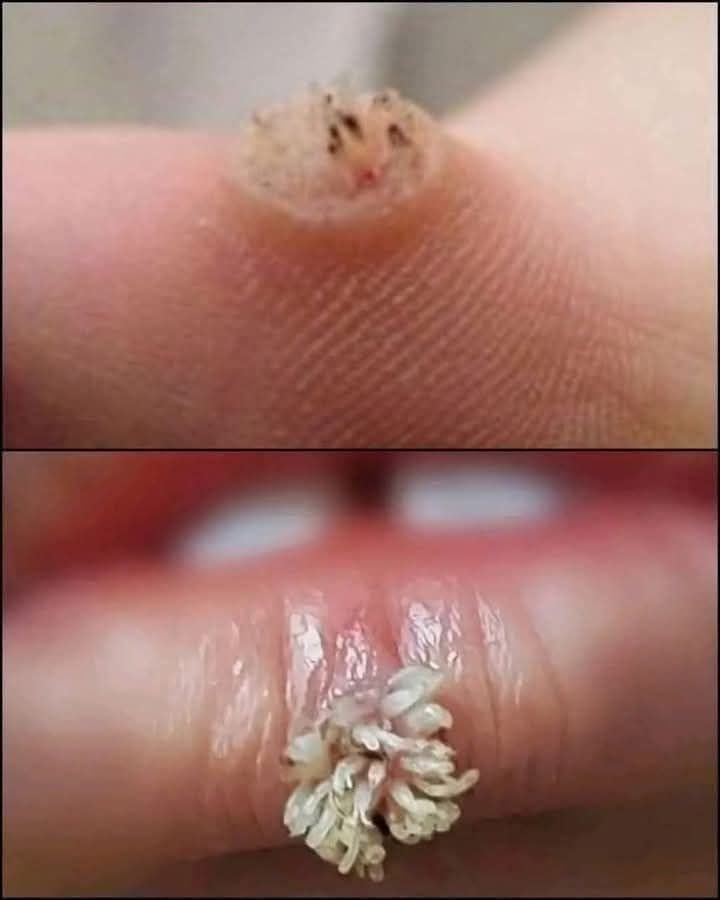

It often begins quietly. One day, after slipping into a pair of second-hand shoes that seemed like a smart and sustainable choice, you notice something unfamiliar. A small yellow bump appears on your toe. It is not dramatic, not alarming at first glance, but it raises a question that lingers. Why now? Why here?
For many people, this experience becomes a moment of curiosity. What looks like a minor skin change can lead to a deeper understanding of how the body protects itself, how culture interprets physical signs, and how modern science explains everyday phenomena. This article explores that journey from both cultural and scientific perspectives, offering clarity without exaggeration and insight without alarm.

Understanding the Skin’s Protective Intelligence
What Are Corns and Calluses
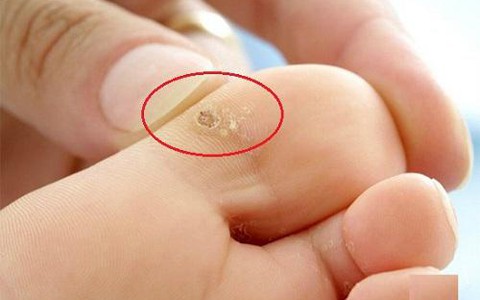
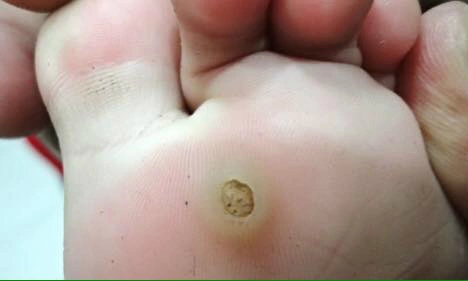
The most common explanation for a yellow bump on the toe is the formation of a corn or a callus. These are not random occurrences. They are part of the body’s natural defense system.
When skin experiences repeated pressure or friction, it responds by producing more keratin. Keratin is a tough protein that strengthens the outer layer of the skin. Over time, this buildup creates a hardened area that appears slightly raised and often yellowish in color.
Corns are typically smaller and more concentrated. They often develop on the tops or sides of toes where pressure is focused. Calluses, on the other hand, are broader and flatter, usually forming on weight-bearing areas such as the sole of the foot.
The yellow color itself is not unusual. It reflects layers of compacted, non-living skin cells that have accumulated as part of this protective response.
Why Second-Hand Shoes Play a Role
Second-hand shoes carry a history that is not always visible. Over time, footwear adapts to the shape and movement patterns of its original owner. Insoles compress unevenly, materials soften in specific areas, and subtle pressure zones develop.
When a new person wears those shoes, their feet rarely match that existing structure. As a result, pressure is redistributed in ways that may not align with the natural shape of the foot. This mismatch often leads to friction in unexpected places.
Unlike new shoes, which gradually adapt to the wearer, used shoes may already be “set” in a way that limits their ability to adjust. This makes them more likely to create repeated contact points that trigger the formation of corns or calluses.
Friction, Pressure, and the Mechanics of Movement
The Role of Daily Motion
Every step you take creates a pattern of movement and force. When shoes fit well, these forces are distributed evenly. When they do not, certain areas experience more pressure than others.
Shoes with narrow toe boxes, rigid sides, or uneven cushioning can cause toes to rub against internal surfaces repeatedly. Over time, even mild irritation becomes significant enough for the skin to react.
Pressure adds another layer to the issue. Tight spaces can compress toes, especially the big toe or the little toe. This constant force encourages the skin to thicken as a protective measure.
When Friction Becomes Noticeable
At first, the process is subtle. A slight discomfort, a faint sense of rubbing. But as layers of skin build up, the area becomes more defined. Some people describe the sensation as similar to having a small grain inside the shoe.
In most cases, this is simply the body adapting. It is not a malfunction, but rather a signal that something in the environment could be improved.
Cultural Interpretations of Foot Changes
Feet in Traditional Beliefs
Across different cultures, feet have often been associated with movement, direction, and life paths. In some traditions, changes in the feet are interpreted symbolically rather than physically.
A mark or bump might be seen as a sign of imbalance, a need for grounding, or even a reflection of life’s pressures manifesting physically. These interpretations are not scientific, but they reveal how humans have long sought meaning in bodily changes.
The Balance Between Symbolism and Science
While cultural perspectives can offer interesting insights, it is important to approach them with balance. A yellow bump on the toe is best understood through physical causes such as friction and pressure.
That said, the symbolic view can still serve as a reminder to pay attention to one’s body. Whether interpreted scientifically or culturally, the message is similar. Something is asking for adjustment.
Other Possibilities to Consider
Blisters and Their Characteristics
In some cases, friction can lead to blisters rather than hardened skin. These are fluid-filled pockets that form beneath the surface. They are usually clear and soft to the touch.
If the fluid appears yellowish, it may indicate irritation, but this should not immediately be interpreted as a serious issue. Monitoring the area and reducing friction often allows the skin to recover naturally.
Fungal Concerns in Shared Footwear
Another consideration with second-hand shoes is the potential presence of fungi. Warm, enclosed environments can support their growth, especially if shoes were worn frequently.
Fungal conditions often present differently from corns or calluses. Common signs include itching, peeling skin, or changes in nail texture. A firm, localized bump is less typical of this category.
Proper cleaning and hygiene can significantly reduce these risks, making second-hand footwear safer to use.
Practical Ways to Manage and Prevent the Issue
Choosing the Right Footwear
The most effective solution is often the simplest. Stop wearing shoes that cause discomfort. Footwear should allow natural movement, provide adequate cushioning, and fit both length and width comfortably.
Even when buying second-hand shoes, trying them on carefully and wearing them for short periods initially can help identify potential issues early.
Gentle Care for the Skin
Soaking the feet in warm water can soften hardened areas, making them easier to manage. After soaking, a pumice stone or similar tool can be used gently to smooth the surface.
It is important to avoid aggressive methods. Cutting or removing skin forcefully can lead to complications. The goal is to support the skin, not to challenge it.
Moisturizing regularly also helps maintain flexibility and reduces the likelihood of further thickening. Products containing ingredients like urea or lactic acid are often recommended for their softening effects.
Reducing Friction Effectively
Protective pads, soft inserts, or gel toe covers can create a barrier between the skin and the shoe. This reduces direct contact and gives the skin time to recover.
Wearing socks made from breathable materials can also minimize moisture and friction. These small adjustments can make a noticeable difference over time.
When to Seek Professional Advice
Most cases of corns and calluses improve with simple care and better footwear. However, if the area becomes increasingly uncomfortable or does not improve after a reasonable period, consulting a specialist may be helpful.
A podiatrist can assess the situation, remove excess skin safely, and identify any underlying structural factors such as toe alignment or pressure imbalances.
For individuals with specific health conditions affecting circulation or skin sensitivity, professional guidance is especially important.
Prevention as a Long-Term Strategy
Smart Choices with Second-Hand Shoes
Second-hand shopping can still be a positive and sustainable option. The key lies in preparation and awareness.
Cleaning and disinfecting shoes before use is essential. Antifungal sprays or powders can provide an added layer of protection. Gradual wear allows the feet to adapt without excessive stress.
Listening to Subtle Signals
The body often communicates through small changes. A yellow bump on the toe may seem minor, but it is part of a broader conversation between your body and your environment.
Responding early, adjusting footwear, and maintaining good foot care habits can prevent minor concerns from becoming persistent issues.
A Reflection on Human Curiosity
A small yellow bump might seem like an ordinary detail, easy to overlook or dismiss. Yet, as we explore it more deeply, it becomes clear that even the simplest physical changes carry layers of meaning.
From the scientific precision of keratin buildup to the cultural interpretations of bodily signs, this tiny mark connects biology, behavior, and belief. It reminds us that the human body is not only functional but also expressive, constantly adapting and communicating.
In a world where quick solutions are often prioritized, taking the time to understand these signals can lead to better care and greater awareness. Curiosity, in this sense, becomes a tool for both knowledge and well-being.
Sources
OrVeb article on second-hand shoes and foot health
American Academy of Dermatology resources on corns and calluses
Mayo Clinic guidance on foot care and skin conditions
National Health Service information on common foot concerns
