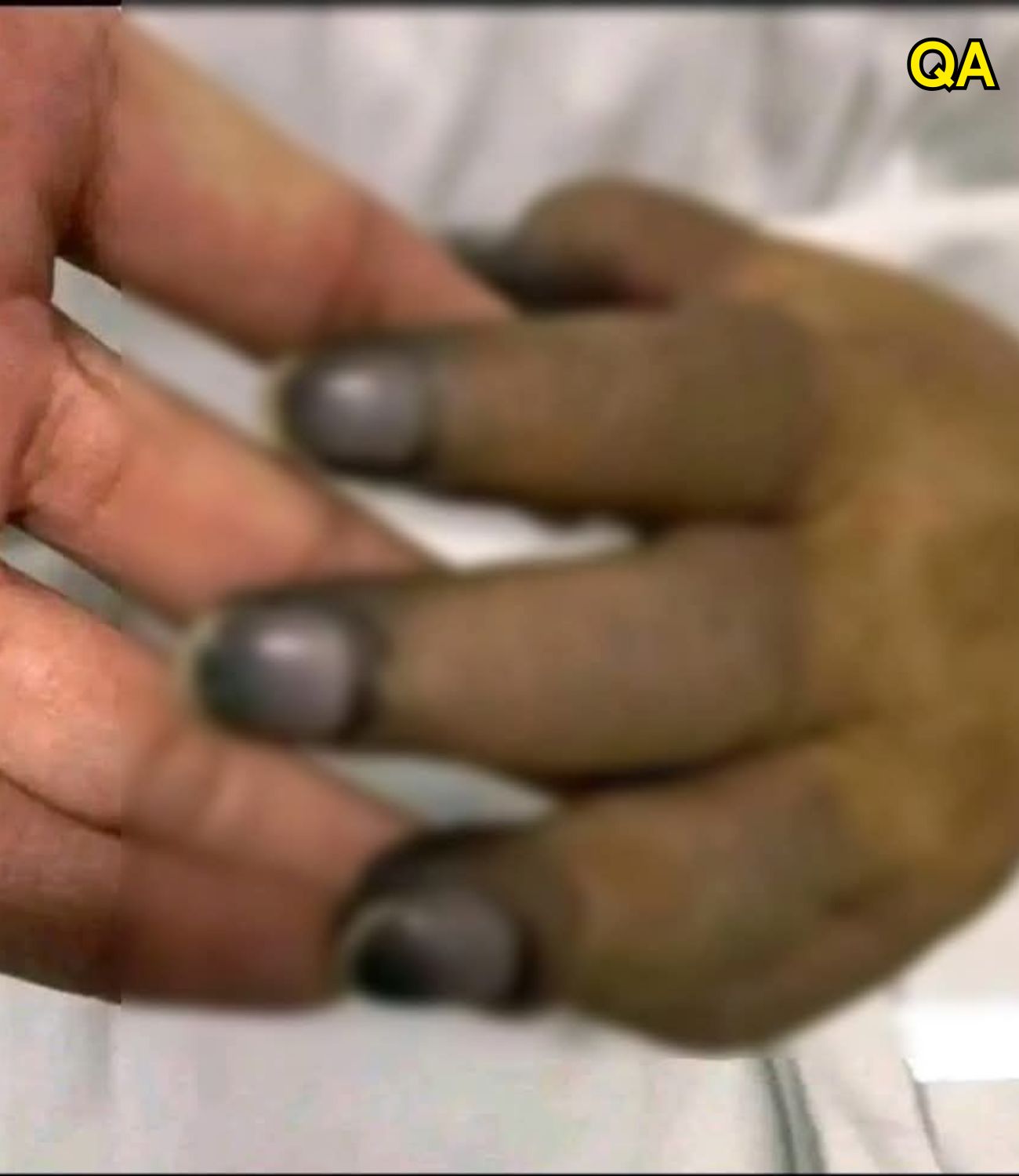

On any given weekend, nail salons are filled with people choosing colors, designs, and styles that reflect personality and mood. From glossy gel polish to elegant acrylic extensions, nail care has become far more than a cosmetic routine. For many, it represents confidence, creativity, and self expression.
Yet behind the vibrant shades and polished finishes lies an important conversation about health, ingredients, and long term wellness. As beauty trends continue evolving, dermatologists and health researchers are paying closer attention to the products people apply to their nails every week.
Recent online discussions and articles have explored the possible consequences of frequent nail product use, especially products containing strong chemical ingredients. While modern nail treatments are generally considered safe when used responsibly, experts agree that awareness and moderation are essential.
Understanding both the beauty benefits and the potential concerns surrounding nail products allows consumers to make informed choices without unnecessary fear or confusion.
The Evolution of Nail Care Throughout History
Nail decoration is not a modern invention. Historical records suggest that ancient civilizations, including those in Egypt and China, used natural pigments and plant based dyes to color nails thousands of years ago.
In many cultures, nail appearance symbolized social status, wealth, or elegance. Over time, nail care evolved from simple natural coloring methods into a global beauty industry worth billions of dollars.
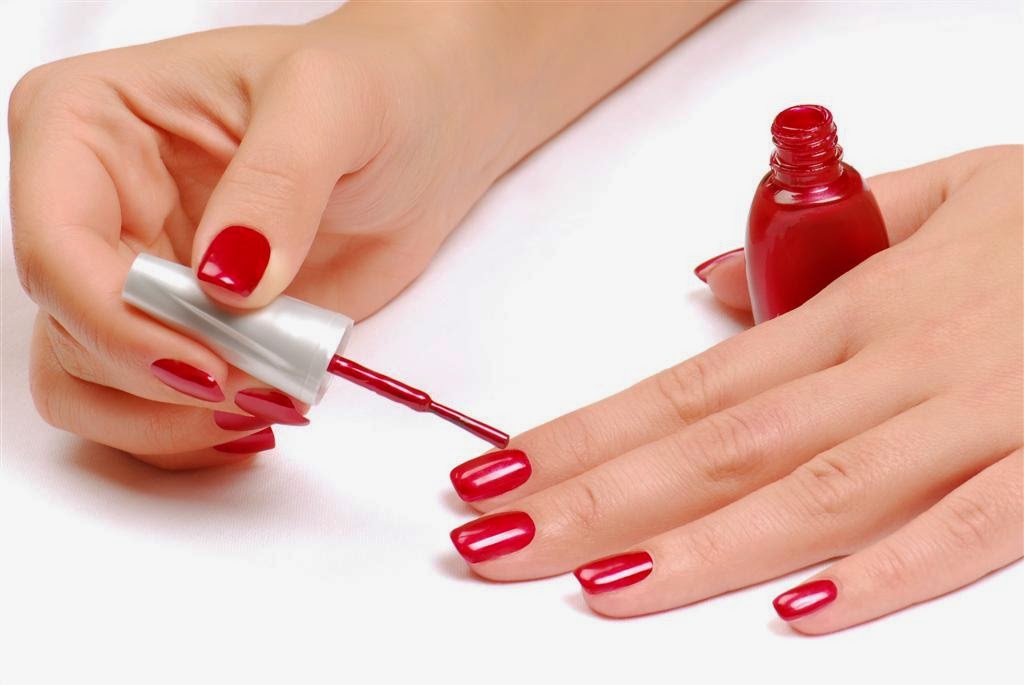
Today’s nail products are designed for durability, shine, and artistic detail. Innovations such as gel polish, acrylic enhancements, and quick drying formulas have transformed nail care into a sophisticated cosmetic practice.
However, achieving these long lasting results often requires complex chemical formulations. This has led scientists and health professionals to study how repeated exposure to certain ingredients may affect the body over time.

Understanding Common Ingredients in Nail Products
Most nail polishes and artificial nail products contain a combination of solvents, hardeners, pigments, and bonding agents. These ingredients help create smooth application, vibrant color, and long wear performance.
Some of the most discussed ingredients include:
Formaldehyde
Formaldehyde is sometimes used as a nail hardening agent. In sensitive individuals, exposure may contribute to skin irritation or allergic responses.
Toluene
Toluene helps nail polish spread evenly and maintain a smooth finish. Researchers have examined its effects on indoor air quality and prolonged exposure in poorly ventilated environments.
Phthalates
Phthalates are commonly associated with flexibility and durability in cosmetic products. Scientific studies continue exploring their possible relationship with hormonal activity.
Acetone
Acetone is widely used to remove nail polish efficiently. While effective, frequent use can contribute to dryness in nails and surrounding skin.
In response to growing consumer awareness, many cosmetic brands now market products labeled “3 free,” “5 free,” or even “10 free,” indicating the exclusion of certain controversial ingredients.
Why Gel Polish Became So Popular
Gel polish transformed the beauty industry because it offers several advantages over traditional nail polish.
Unlike regular polish, gel formulas are cured under ultraviolet or LED light, creating a hard glossy surface that can last for weeks with minimal chipping.
Consumers appreciate gel manicures because they:
Provide long lasting shine
Require less frequent maintenance
Allow detailed nail art
Dry almost instantly after curing
However, dermatologists note that repeated gel polish application and removal may affect nail strength if proper care is neglected.
The removal process, which often involves soaking nails in acetone or buffing the nail surface, can temporarily weaken the outer nail layer.
Potential Short Term Effects of Frequent Nail Product Use
Most users experience no major problems from occasional manicures. Still, some individuals may develop temporary side effects related to ingredients, application methods, or repeated exposure.
Skin Irritation and Allergic Sensitivity
Some people are more sensitive to cosmetic ingredients than others. Reactions may include:
Mild redness around the fingers
Dryness or peeling skin
Itching near the nail area
Sensitivity around cuticles
Dermatologists explain that allergic reactions can develop gradually over time, even after years of product use without issues.
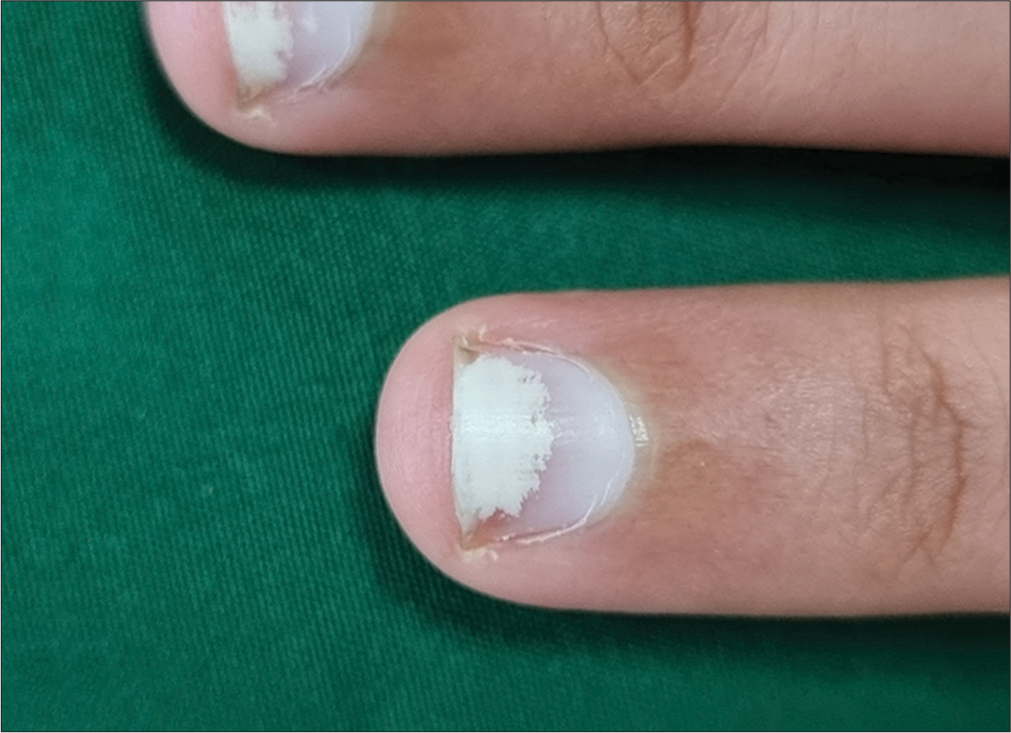
Nail Weakness and Brittleness
Frequent application and removal of artificial nails may reduce moisture within the natural nail plate. This can contribute to:
Thin nails
Temporary brittleness
Surface roughness
Increased splitting
These effects are usually reversible with proper nail care and recovery periods.
Dryness From Nail Polish Removers
Acetone based removers work quickly but can remove natural oils from both nails and skin. Without moisturizing afterward, hands may feel dry or sensitive.
The Importance of Salon Hygiene
When discussing nail health, experts emphasize that salon hygiene is just as important as product ingredients.
Professional salons that properly sanitize tools, maintain ventilation, and follow cosmetic safety standards significantly reduce potential risks.
Consumers are encouraged to look for salons that:
Use sterilized equipment
Provide clean workstations
Maintain strong ventilation systems
Avoid reusing disposable materials improperly
Proper hygiene supports healthier nail care experiences and minimizes the chance of irritation or infection around the nail area.
Scientific Research on Nail Product Exposure
Health researchers continue studying the long term effects of cosmetic chemical exposure, particularly among salon workers who encounter these products daily.
Scientific organizations generally agree that occasional personal use presents relatively low risk for most healthy adults when products are used correctly and in ventilated settings.
However, repeated occupational exposure may require additional safety precautions.
Researchers often focus on areas such as:
Indoor air quality in nail salons
Respiratory comfort
Skin sensitivity
Long term exposure patterns
It is important to note that many online claims surrounding nail products can become exaggerated or misleading. Reliable scientific studies typically emphasize moderation, proper ventilation, and informed product selection rather than fear based conclusions.
Cultural Significance of Nail Beauty
Nail styling is deeply connected to identity, fashion, and self care across many cultures.
In some societies, long decorative nails historically symbolized elegance and status. In modern culture, nail art has become a creative outlet similar to fashion or makeup artistry.
Social media platforms have further amplified nail trends, allowing artists and beauty enthusiasts to share designs globally within seconds.
Popular styles often reflect broader cultural movements:
Minimalist neutral tones associated with sophistication
Bright colors linked to seasonal trends
Intricate nail art representing creativity and individuality
For many people, nail care is also connected to relaxation and emotional well being. A manicure appointment can feel like a personal wellness ritual rather than merely a cosmetic procedure.

Safer Approaches to Nail Care
Experts recommend practical steps for enjoying nail beauty while supporting overall nail health.
Choose Products Carefully
Many consumers now prefer brands that avoid certain controversial chemicals. Reading labels and researching trusted companies can help support informed decisions.
Give Nails Recovery Time
Taking occasional breaks between artificial nail applications allows natural nails to recover moisture and strength.
Moisturize Regularly
Cuticle oils and hand creams help maintain hydration and reduce brittleness.
Prioritize Ventilation
Using nail products in well ventilated areas helps reduce exposure to strong fumes.
Avoid Excessive Buffing
Over buffing can thin the nail surface and weaken natural nail structure over time.
These simple habits can significantly improve long term nail comfort and appearance.
Myths and Misconceptions About Nail Products
Online beauty discussions sometimes contain dramatic claims that are not fully supported by scientific evidence.
For example, some viral posts suggest that occasional manicure use automatically leads to serious health outcomes. Most medical experts disagree with such absolute statements.
Instead, professionals emphasize balance and context. Product formulation, frequency of use, personal sensitivity, and salon practices all influence individual experiences.
This reflects a broader trend in digital culture where beauty information spreads rapidly, but not always accurately.
Consumers benefit most from evidence based guidance rather than fear driven headlines.
The Future of the Nail Care Industry
The beauty industry is evolving quickly in response to consumer awareness and scientific research.
Many cosmetic companies are now investing in:
Plant based formulas
Low odor products
Cruelty free manufacturing
Improved ingredient transparency
Eco friendly packaging
At the same time, healthier salon practices and stricter cosmetic regulations continue shaping industry standards around the world.
Consumers today are more informed than ever before, encouraging brands to prioritize both performance and wellness.
This shift suggests that future nail care innovations may increasingly focus on combining beauty, safety, and sustainability.
Conclusion
Nail products remain an important part of modern beauty culture, offering creativity, confidence, and self expression to millions of people worldwide.
While certain ingredients and practices may contribute to temporary irritation or nail weakness in some individuals, scientific experts generally recommend awareness and moderation rather than alarm.
By understanding ingredients, choosing reputable products, practicing good nail hygiene, and allowing nails time to recover, consumers can enjoy cosmetic nail care more safely and comfortably.
The conversation surrounding nail health also reflects a larger cultural shift toward informed beauty choices. As people become increasingly interested in wellness and transparency, industries are adapting to meet those expectations.
Ultimately, the enduring popularity of nail art and manicures highlights humanity’s timeless fascination with beauty, identity, and personal expression. Even the smallest details, like the color of a nail, can carry meaning, confidence, and creativity in everyday life.
Sources
World Health Organization (WHO)
Centers for Disease Control and Prevention (CDC)
American Academy of Dermatology
