
Almost everyone has experienced it at some point.
You wake up in the morning and discover your hand feels numb. Perhaps you’ve been typing for hours and notice tingling in your fingers. Maybe your hand feels unusually weak, sensitive, or as though tiny pins and needles are running through it.
In many cases, these sensations are temporary and harmless.
However, persistent numbness or tingling can sometimes signal underlying issues involving nerves, circulation, nutrition, or overall health.
Understanding the possible causes can help people recognize when symptoms are likely temporary and when they may require medical evaluation.
What Causes Numbness and Tingling?
How Nerves Create Sensation
The body’s nervous system constantly sends signals between the brain, spinal cord, and various parts of the body.
These signals allow people to feel touch, temperature, pressure, and movement.
When nerves become compressed, irritated, damaged, or deprived of proper blood flow, communication can be disrupted.
As a result, people may experience symptoms such as:
Tingling.
Numbness.
Burning sensations.
Reduced sensitivity.
Weakness.
Loss of coordination.
The location and pattern of symptoms often provide clues about the underlying cause.
Temporary Nerve Compression
One of the Most Common Causes
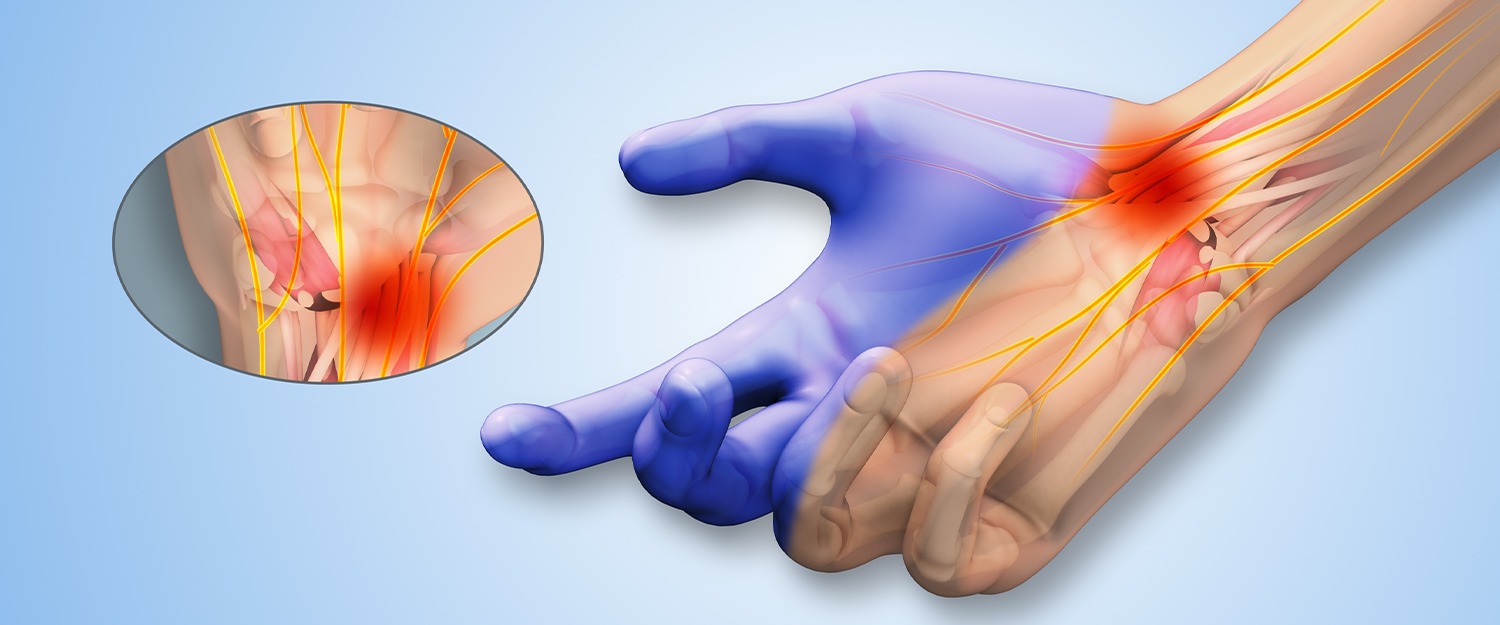
Perhaps the most familiar reason for hand numbness is temporary nerve compression.
This often occurs when someone sleeps in an awkward position or places prolonged pressure on an arm or wrist.
The pressure temporarily affects nerve function and blood flow.
Fortunately, symptoms usually disappear within minutes after changing position and restoring normal circulation.
Common situations include:
Sleeping with an arm underneath the body.
Leaning on an elbow for extended periods.
Holding a phone for a long time.
Maintaining the same posture during travel.
These episodes are generally harmless when they occur occasionally.
Repetitive Movements and Overuse
How Daily Activities Affect the Hands
Modern life requires frequent hand use.
Typing.
Texting.
Gaming.
Using tools.
Assembly work.
Repeated hand and wrist movements can place stress on nerves, muscles, and tendons.
Over time, this repetitive strain may contribute to irritation and discomfort.
People whose occupations involve frequent hand movements may be particularly susceptible.
Regular breaks, proper ergonomics, and stretching exercises can often help reduce strain.
The Importance of Workplace Ergonomics
Poor workstation setup can increase stress on the wrists and hands.
Health professionals often recommend:
Keeping wrists in a neutral position.
Adjusting chair height appropriately.
Using supportive keyboards or equipment when necessary.
Taking movement breaks throughout the day.
Small adjustments can make a significant difference in long-term comfort.
Understanding Carpal Tunnel Syndrome
A Common Source of Hand Tingling
One of the best-known causes of hand numbness is Carpal Tunnel Syndrome.
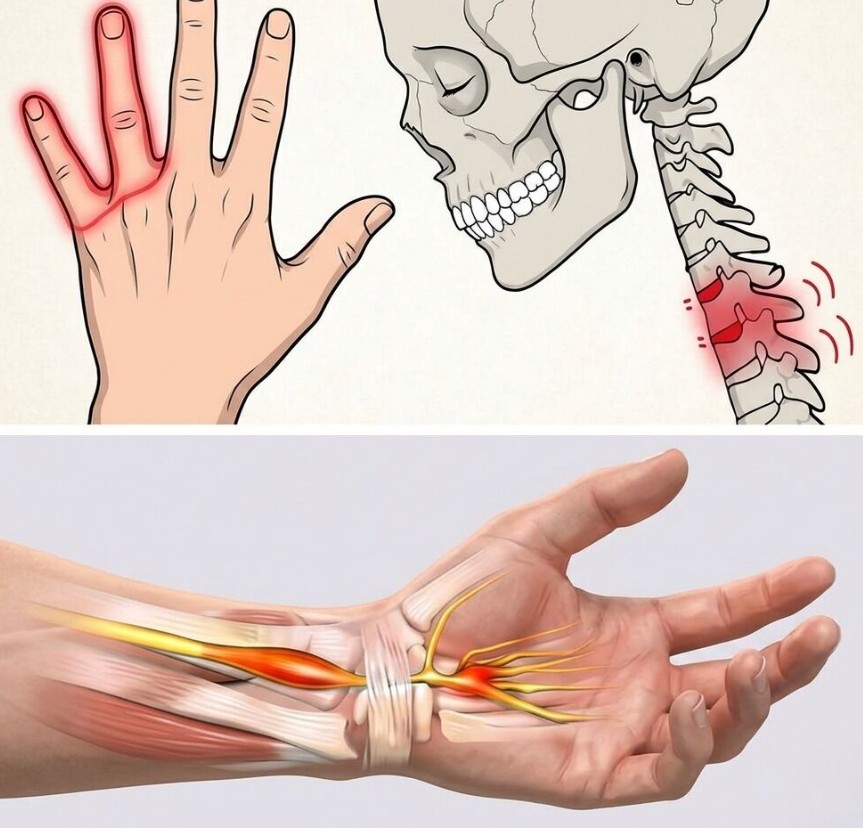
This condition occurs when the median nerve becomes compressed as it passes through a narrow passageway in the wrist called the carpal tunnel.
Symptoms often include:
Tingling in the thumb.
Numbness in the index finger.
Discomfort in the middle finger.
Reduced grip strength.
Nighttime symptoms.
Many people first notice symptoms while sleeping or performing repetitive tasks.

Who Is Most at Risk?
Carpal tunnel syndrome can affect anyone, but certain factors may increase risk.
These include:
Repetitive hand movements.
Certain occupations.
Pregnancy.
Underlying medical conditions.
Previous wrist injuries.
Early recognition often improves treatment outcomes.
Vitamin Deficiencies and Nerve Health
Why Nutrition Matters
Healthy nerves require proper nutrition to function effectively.
Several vitamins and minerals play important roles in maintaining the nervous system.
One particularly important nutrient is Vitamin B12.
Low vitamin B12 levels may contribute to symptoms such as:
Numbness.
Tingling.
Balance problems.
Fatigue.
Memory difficulties.
Because deficiency symptoms can develop gradually, they are sometimes overlooked.
The Role of Electrolytes
Electrolytes help nerves communicate properly.
Important electrolytes include:
Calcium.
Potassium.
Magnesium.
When levels become imbalanced, nerve signaling may be affected.
Medical testing can help identify deficiencies or imbalances that require treatment.
Diabetes and Peripheral Neuropathy
How Blood Sugar Affects Nerves
Type 2 Diabetes is one of the most common causes of peripheral neuropathy.
Peripheral neuropathy refers to nerve damage affecting areas outside the brain and spinal cord.
Over time, elevated blood sugar levels may damage small nerves throughout the body.
Symptoms often begin gradually and may include:
Tingling.
Numbness.
Burning sensations.
Changes in sensation.
Although symptoms frequently start in the feet, the hands may also be affected.
Why Early Management Matters
Managing blood sugar effectively may help reduce the risk of complications.
Regular healthcare visits and ongoing monitoring are important parts of diabetes management.
Early intervention can help protect nerve health and improve quality of life.
Neck and Spine Conditions
When the Problem Starts Higher Up
Not all hand symptoms originate in the hand itself.
Sometimes nerve compression occurs in the neck or spine.
Conditions such as herniated discs, arthritis, or spinal narrowing may place pressure on nerves before they travel into the arms and hands.
Symptoms may include:
Neck pain.
Shoulder discomfort.
Arm tingling.
Hand numbness.
Weakness.
The pattern of symptoms often helps healthcare professionals identify the source.

Understanding Referred Symptoms
Because nerves travel long distances through the body, irritation in one location can produce symptoms elsewhere.
This is why evaluation sometimes involves examining the neck, shoulders, and spine in addition to the hands.
Circulation Problems and Blood Flow
The Connection Between Blood Flow and Sensation
Nerves rely on healthy circulation to function properly.
Reduced blood flow may contribute to numbness, tingling, or discomfort.
One example is Raynaud’s Disease.
This condition causes temporary narrowing of blood vessels, often triggered by cold temperatures or emotional stress.
Common Signs of Circulation Issues
People experiencing circulation-related symptoms may notice:
Cold fingers.
Color changes in the skin.
Temporary numbness.
Tingling after warming up.
Healthcare providers can help determine whether circulation contributes to symptoms.
Other Possible Causes
Injuries and Inflammation
Physical injuries can affect nerves directly.
Examples include:
Wrist injuries.
Elbow injuries.
Shoulder injuries.
Inflammation near nerves.
Even small areas of swelling may place pressure on nearby nerve structures.
Autoimmune and Infectious Conditions
Certain autoimmune disorders and infections can affect the nervous system.
While less common, these conditions may contribute to numbness or tingling.
Because symptoms vary widely, professional evaluation is often necessary when symptoms persist.
Warning Signs That Require Prompt Medical Attention
When Symptoms Should Not Be Ignored
Occasional tingling after sleeping awkwardly is usually not concerning.
However, certain symptoms require immediate medical evaluation.
Seek urgent medical attention if numbness occurs alongside:
Sudden weakness.
Difficulty speaking.
Confusion.
Facial drooping.
Loss of coordination.
Changes affecting one side of the body.
These symptoms may indicate a serious neurological emergency.
When to Schedule a Medical Evaluation
Even without emergency symptoms, medical assessment is recommended when numbness:
Persists for weeks.
Occurs frequently.
Gradually worsens.
Interferes with daily activities.
Appears with weakness or pain.
Early evaluation can help identify treatable causes before complications develop.
Supporting Long-Term Nerve Health
Healthy Habits That May Help
Maintaining nerve health involves several lifestyle factors.
Experts often recommend:
Balanced nutrition.
Regular physical activity.
Proper posture.
Adequate hydration.
Managing chronic health conditions.
Routine healthcare visits.
These habits support both nerve function and overall wellness.
Prevention Through Awareness
Paying attention to changes in sensation allows problems to be identified earlier.
People who recognize persistent symptoms are more likely to seek timely medical guidance and receive appropriate treatment.

A Reflection on Listening to Your Body
Hand numbness and tingling are common experiences that can result from something as simple as sleeping in an awkward position or something more complex involving nerves, circulation, or underlying health conditions.
Most occasional episodes are temporary and harmless.
However, persistent or worsening symptoms deserve attention.
The body often provides early signals when something needs evaluation, and recognizing those signals can make an important difference.
By maintaining healthy habits, staying informed, and seeking medical advice when symptoms persist, individuals can better protect their nerve health and overall well-being.
Sometimes a tingling sensation is simply a temporary inconvenience.
Other times, it may be an opportunity to identify and address a health concern before it becomes more serious.
Sources
Mayo Clinic
Cleveland Clinic
National Institute of Neurological Disorders and Stroke
American Academy of Neurology
Centers for Disease Control and Prevention
Medical literature on neuropathy, nerve compression disorders, circulation disorders, and nutritional deficiencies
