

It often starts quietly. You notice one shoe feels tighter than usual, or your pant leg doesn’t sit the same way it did yesterday. Maybe it’s subtle, maybe it’s sudden—but swelling in just one leg can feel puzzling.
Moments like this naturally lead to concern. Is it something minor, or a sign that your body is trying to tell you something important?
Understanding what one-sided leg swelling might mean can help you respond calmly and appropriately, without jumping to conclusions. Let’s explore both everyday explanations and medical perspectives in a balanced, practical way.

What Is Leg Swelling?
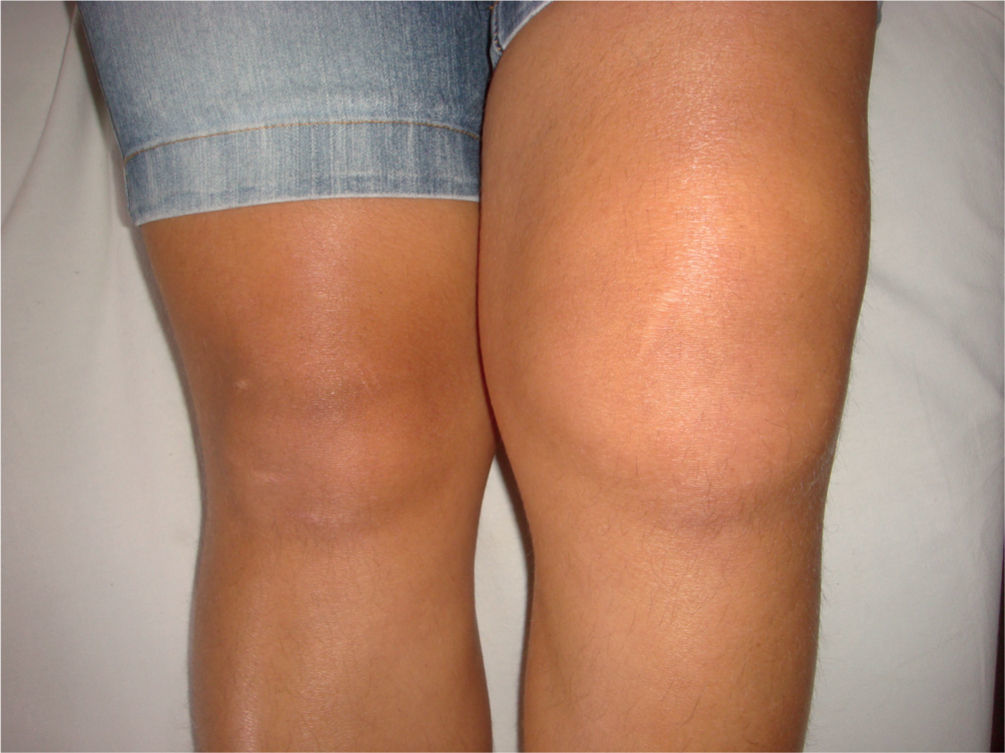
Swelling, also known as Edema, occurs when excess fluid builds up in tissues. It can affect different parts of the body, but when it appears in only one leg, it often points to a localized issue rather than a whole-body condition.
This distinction is important. Bilateral swelling (both legs) is often linked to systemic causes, while swelling in one leg suggests something specific to that area.
Common Everyday Causes of One-Leg Swelling
In many cases, the explanation is relatively simple and temporary.
Minor injuries such as sprains, muscle strain, or even a small impact can lead to inflammation. The body sends fluid to the area as part of its natural healing process, which results in visible swelling.
Long periods of sitting or standing can also contribute. Reduced movement may slow circulation, allowing fluid to accumulate in the lower leg. This is common after long trips or extended work hours.
Even tight clothing or awkward posture can sometimes affect how fluid moves through the leg, leading to mild swelling.
These situations usually improve with rest, elevation, and gentle movement.
Infections and Localized Reactions
Another possibility is a skin or soft tissue infection, such as Cellulitis. This condition often develops when bacteria enter through a small break in the skin.
In addition to swelling, people may notice warmth, redness, or tenderness in the affected area. Sometimes there may also be a general feeling of discomfort or mild fever.
Prompt medical attention is important in such cases, as early treatment helps prevent the issue from spreading or becoming more complicated.
Circulation and Vein-Related Conditions
Blood flow plays a major role in maintaining healthy tissue balance. When circulation is disrupted, fluid can build up.
One condition linked to this is venous insufficiency, where veins have difficulty returning blood efficiently to the heart. This can lead to swelling, especially after long periods of standing.
A more serious condition associated with one-leg swelling is Deep vein thrombosis. This involves the formation of a clot in a deep vein, usually in the leg.
Symptoms can include swelling, a feeling of tightness, and warmth in the affected area. While not every case of swelling indicates this condition, it is important to be aware of the possibility because it requires prompt medical evaluation.
The Role of the Lymphatic System
The body’s lymphatic system helps regulate fluid levels and supports immune function. When this system is disrupted, fluid can accumulate in tissues, leading to a condition known as Lymphedema.
Lymphedema may develop gradually and can affect one limb more than the other. It is often associated with previous medical treatments, infections, or congenital factors.
While it is typically a long-term condition, proper management can help reduce symptoms and improve comfort.
When Should You Seek Medical Advice?
Not every case of leg swelling requires urgent care, but certain signs should not be ignored.
If swelling appears suddenly, becomes more pronounced, or is accompanied by discomfort, it is wise to consult a healthcare professional. Additional symptoms such as difficulty breathing, chest discomfort, or unusual fatigue should also prompt immediate attention.
These signs do not automatically indicate a serious condition, but they warrant evaluation to rule out potential risks.
Listening to your body and acting early is always a sensible approach.

Myth vs. Reality: Understanding the Signals
It is easy to assume that any unusual physical change signals something serious. However, the body often reacts to everyday stress, movement, and minor injuries in ways that are completely normal.
At the same time, it is equally important not to dismiss persistent or unusual symptoms.
The key lies in balance. Awareness without panic, and caution without overreaction.
Medical science continues to improve our understanding of how and why these symptoms occur, helping people make informed decisions rather than relying on guesswork or fear.
Simple Steps to Support Leg Health
Maintaining good circulation and overall leg health can reduce the likelihood of swelling.
Regular movement is one of the most effective strategies. Even small actions like stretching, walking, or changing positions frequently can improve blood flow.
Elevating the legs after long periods of standing or sitting can help fluid return toward the upper body. Staying hydrated and maintaining a balanced lifestyle also contribute to healthy circulation.
For those who experience frequent swelling, supportive garments such as compression socks may be recommended by healthcare professionals.
A Broader Perspective on Body Awareness
Our bodies communicate constantly, often through subtle signals. Swelling in one leg is just one example of how physical changes can reflect underlying processes.
Rather than viewing these signals as alarming, they can be seen as opportunities to better understand our health. Paying attention, asking questions, and seeking guidance when needed are all part of responsible self-care.
This perspective encourages a proactive, informed approach rather than one driven by fear or uncertainty.
Conclusion: Curiosity Leads to Understanding
A swollen leg might seem like a small issue, but it can open the door to a deeper understanding of how the body works. From simple causes like fatigue or minor injury to more complex conditions, each possibility reflects the body’s intricate systems.
Human curiosity drives us to ask why these changes happen. Science provides answers, but it also reminds us that the body is dynamic and responsive.
By staying informed and attentive, we can navigate these moments with confidence. Not every symptom is serious, but every symptom is worth understanding.
In that balance between curiosity and knowledge, we find not only reassurance—but also a stronger connection to our own well-being.
Sources
World Health Organization
https://www.who.int
Mayo Clinic
https://www.mayoclinic.org
National Health Service
https://www.nhs.uk
Centers for Disease Control and Prevention
https://www.cdc.gov
NewzTimes21 (original inspiration content)
