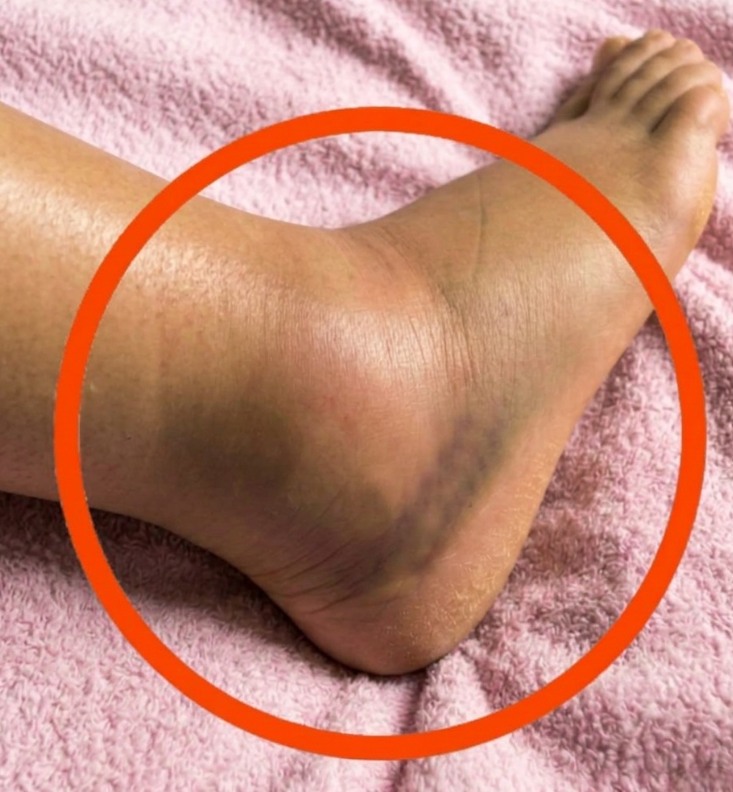

Margaret first noticed it while removing her shoes one evening. Her ankles looked puffier than usual, and faint marks from her socks remained on her skin long after she took them off. She assumed it was simply part of getting older or perhaps the result of spending too much time sitting that day.
Over the following weeks, however, the swelling became harder to ignore. Some mornings her legs felt unusually heavy. By evening, her shoes fit tighter than before. Family members suggested she “rest more” or “drink water,” but something about the change worried her.
Like many people, Margaret initially viewed swollen legs as a minor inconvenience rather than a possible health warning.
Medical experts say this reaction is extremely common.
While swelling in the legs can sometimes result from harmless temporary factors, it may also signal circulation problems, fluid retention, medication side effects, or other underlying conditions that deserve medical attention.
What Causes Swollen Legs?
Swelling in the lower legs, ankles, or feet is commonly known as edema. It occurs when excess fluid becomes trapped in body tissues.
The lower legs are especially vulnerable because gravity naturally pulls fluid downward throughout the day. Normally, healthy circulation and muscle activity help move fluid back upward through the body.
When these systems become less efficient, fluid can begin collecting in the legs and feet.
Edema itself is not a disease. Instead, it is often a symptom connected to another issue affecting circulation, organ function, activity levels, or overall health.

Why Swelling Becomes More Common With Age
As people grow older, several natural physical changes can increase the likelihood of swelling.
Blood vessels gradually lose some elasticity over time, making circulation less efficient. Muscle strength may also decline, particularly in the calves, which play an important role in helping blood travel upward against gravity.
Healthcare professionals sometimes describe the calf muscles as the body’s “second heart” because they assist circulation during walking and movement.
When activity decreases, fluid may pool more easily in the lower limbs.
Aging can also affect kidney, liver, and heart function, all of which help regulate fluid balance throughout the body.
This combination of factors makes swelling more common among older adults, though experts emphasize that persistent swelling should never automatically be dismissed as “just aging.”
Poor Circulation and Venous Insufficiency
One of the most common causes of leg swelling is poor circulation, particularly a condition known as chronic venous insufficiency.
This occurs when veins struggle to move blood efficiently back toward the heart. Tiny valves inside the veins normally help prevent blood from flowing backward. Over time, these valves may weaken, allowing blood to collect in the lower legs.
Symptoms can include:
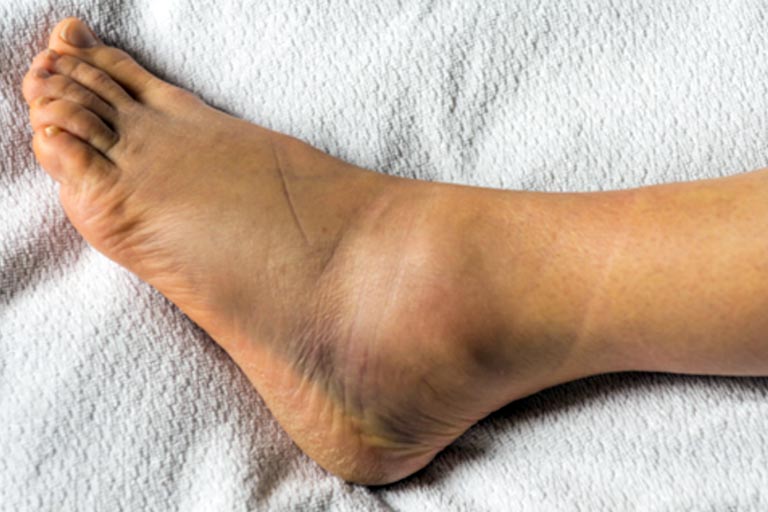
Swelling around the ankles and feet
A feeling of heaviness in the legs
Discomfort after long periods of standing
Visible veins
Skin discoloration
Doctors note that prolonged sitting or standing often worsens symptoms because circulation slows when muscles remain inactive.
Fluid Retention and Organ Function
Swelling may also reflect changes involving major organs responsible for fluid regulation.
The heart, kidneys, and liver all help maintain proper fluid balance within the body. When these systems are not functioning efficiently, excess fluid may begin accumulating in tissues.
For example:
The kidneys help remove extra fluid through urine
The liver produces proteins that help regulate fluid movement
The heart supports circulation throughout the body
When any of these systems become strained, swelling may appear in both legs or other areas of the body.
Importantly, swelling alone does not confirm a specific diagnosis. Only medical evaluation can determine the underlying cause.
The Role of Salt and Diet
Dietary habits may also contribute to fluid retention.
Sodium helps regulate fluid levels in the body, but excessive salt intake can encourage water retention, particularly in people already prone to swelling.
Highly processed foods, packaged snacks, fast food, and restaurant meals often contain large amounts of sodium even when they do not taste especially salty.
Nutrition experts frequently recommend balanced diets rich in fruits, vegetables, hydration, and moderate sodium intake to support healthy circulation and fluid balance.
Medications That May Cause Swelling
Many people are surprised to learn that certain medications may contribute to leg swelling.
Some blood pressure medications, anti-inflammatory drugs, hormone treatments, and other prescriptions list edema as a possible side effect.
Older adults may be particularly vulnerable because multiple medications are often taken simultaneously.
This can make it difficult to determine whether swelling results from aging, lifestyle factors, or medication interactions.
Doctors encourage patients to discuss new or worsening swelling with healthcare providers rather than stopping medications independently.

Why Movement Matters So Much
Physical movement plays a major role in circulation and lymphatic drainage.
Walking, stretching, and gentle leg exercises activate muscles that help move blood and fluid through the lower body. Inactivity, by contrast, allows fluid to settle more easily in the legs and feet.
This is why swelling often worsens after:
Long flights
Extended sitting
Bed rest
Standing in one place for hours
Even light activity throughout the day can help support circulation.
Health experts frequently recommend regular walking and simple movement routines, especially for older adults or people who spend long hours seated.
When Swelling May Require Immediate Medical Attention
While mild swelling may have relatively harmless explanations, certain symptoms should never be ignored.
Doctors advise seeking prompt medical evaluation if swelling:
Appears suddenly
Affects only one leg
Causes significant pain
Is accompanied by shortness of breath
Occurs with chest discomfort
Develops alongside skin warmth or redness
One serious condition associated with sudden one-sided swelling is deep vein thrombosis, commonly called DVT.
Deep Vein Thrombosis occurs when a blood clot forms in a deep vein, often in the leg. Because complications can occur if the clot travels elsewhere in the body, prompt medical assessment is considered extremely important.
Compression Stockings and Leg Elevation
Doctors often recommend practical strategies to help reduce mild swelling and support circulation.
Common approaches may include:
Elevating the legs while resting
Using compression stockings
Reducing prolonged sitting
Maintaining regular movement
Managing sodium intake
Staying hydrated
Compression stockings apply gentle pressure to help blood flow more efficiently upward through the legs.
However, experts caution that compression garments may not be appropriate for everyone, particularly individuals with certain circulation conditions. Professional guidance is important before beginning treatment.
The Emotional Side of Physical Symptoms
One reason swelling is sometimes overlooked is because people often normalize gradual body changes.
Many individuals hesitate to seek medical advice because they fear overreacting or assume symptoms are simply part of aging.
Psychologists note that humans naturally adapt to slow physical changes over time, making subtle symptoms easier to ignore.
Yet paying attention to persistent changes in the body can play an important role in overall health awareness.
Early conversations with healthcare professionals may help identify manageable issues before they become more serious.
Why Online Health Headlines Often Create Fear
Health-related headlines on social media frequently use dramatic language designed to attract clicks and attention.
Phrases suggesting “hidden danger” or “silent warning signs” may increase anxiety even when symptoms have many possible explanations.
Medical experts encourage balanced thinking when reading online health content.
Swollen legs do not automatically indicate a severe illness. In many cases, the cause may be temporary or manageable. At the same time, persistent or unusual swelling should not be ignored entirely.
Reliable information and professional evaluation remain the safest approach.
Conclusion: Listening to the Body’s Subtle Signals
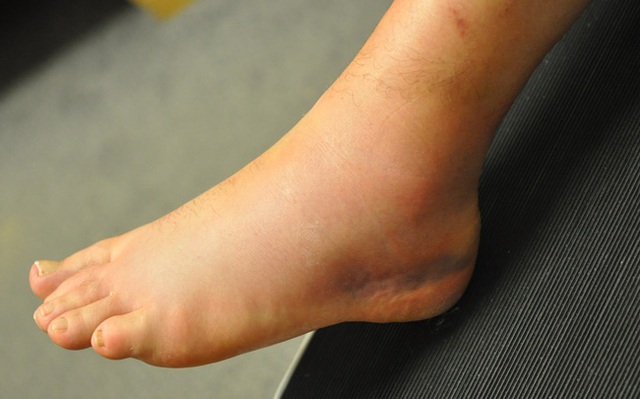
Swelling in the legs may appear minor at first, especially when it develops gradually over time. Yet the body often communicates important information through small physical changes long before larger problems become noticeable.
Circulation, movement, hydration, medications, and organ function all influence how fluid moves through the body. When that balance changes, swelling may become one of the earliest visible signs.
The goal is not fear, but awareness.
Understanding the possible causes of edema helps people recognize when ordinary discomfort may deserve medical attention. In many cases, simple lifestyle adjustments and early care can make a meaningful difference.
Human health is rarely shaped by a single factor alone. It reflects the constant interaction between the body’s systems, daily habits, aging, and environment. Paying attention to those signals with curiosity and care remains one of the most important ways people protect long-term well-being.
Sources
Cleveland Clinic – Swollen Legs and Edema
National Heart, Lung, and Blood Institute
