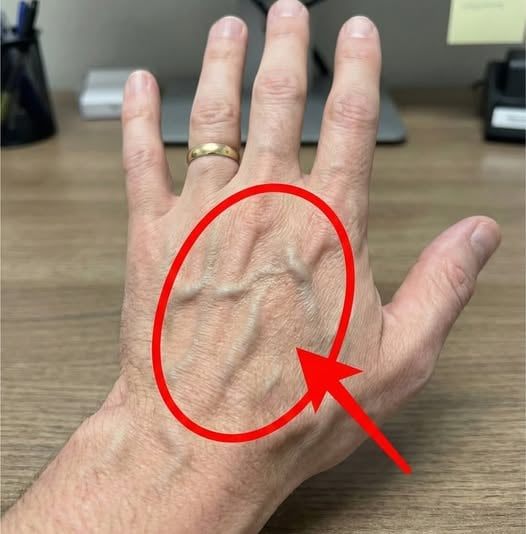

You glance at your hands or arms and notice something different. The veins seem more visible than before, standing out beneath the skin in shades of blue or green. It can feel surprising, even concerning, especially if the change appears suddenly.
But in many cases, visible veins are not a sign of a problem. Instead, they reflect how the body naturally works. Understanding why they appear can help replace uncertainty with clarity.

Why Veins Become More Visible
The Role of Skin and Body Composition
One of the most common reasons veins become more noticeable is related to skin thickness and body fat. When the layer of fat beneath the skin is thinner, veins are easier to see.
This is why athletes or people who exercise regularly often have more visible veins. Their bodies tend to have lower fat levels and increased blood flow, making veins stand out more clearly.
Temperature and Circulation
Warm temperatures can also make veins more prominent. Heat causes blood vessels to expand slightly, a process known as Vasodilation. This helps the body regulate temperature but can also make veins appear darker or more defined.
Similarly, after physical activity, increased circulation can temporarily enhance the visibility of veins.
Aging and Skin Changes
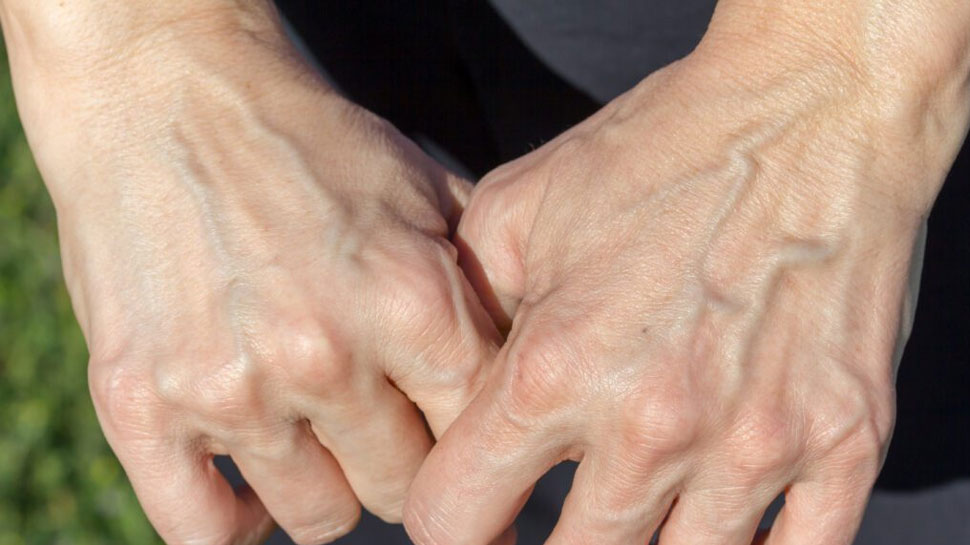
As people age, the skin naturally becomes thinner and loses some of its elasticity. This makes underlying structures, including veins, more visible.
This change is gradual and typically harmless, reflecting normal biological processes rather than a health concern.
The Science Behind Vein Color
Why Veins Look Blue
Although veins carry dark red blood, they often appear blue or green through the skin. This is due to how light interacts with the skin and tissues.
Shorter wavelengths of light, such as blue, are reflected back more easily than longer wavelengths. This optical effect creates the appearance of blue veins, even though the blood itself is not blue.
The Role of Circulation
Veins are responsible for carrying blood back to the heart. Changes in circulation, whether from exercise, posture, or temperature, can influence how visible they appear.
These variations are usually temporary and part of the body’s normal functioning.
When Visible Veins Are Completely Normal
In most situations, visible veins are simply a natural variation. Common harmless causes include:
Regular physical activity
Warm environments
Lower body fat levels
Natural aging
Genetic factors
For many people, vein visibility fluctuates over time and does not indicate any underlying issue.
When to Pay Closer Attention
Signs That May Need Medical Advice
While visible veins are often harmless, certain accompanying symptoms may suggest the need for further evaluation. These include:
Persistent pain or discomfort
Swelling in the surrounding area
Changes in skin color or texture
Unusual warmth or sensitivity
Slow-healing skin in nearby areas
These signs may be associated with conditions such as Varicose veins or circulation-related issues.
Why Symptoms Matter
It is not the visibility of veins alone that raises concern, but the presence of additional symptoms. The body often signals when something requires attention, and these signs help guide appropriate responses.
If changes feel sudden, persistent, or uncomfortable, consulting a healthcare professional is a sensible step.
Cultural and Social Perspectives
Changing Views on Appearance
Visible veins have been viewed differently across cultures and time periods. In some contexts, they are associated with strength and physical fitness. In others, they may be seen as a cosmetic concern.
These perceptions highlight how physical traits can carry different meanings depending on social context.
The Influence of Media
Modern media often emphasizes certain body aesthetics, which can shape how people interpret natural features. Increased awareness and education can help balance these perceptions, promoting a more informed understanding of the body.
Maintaining Healthy Circulation
Everyday Habits That Help
Supporting circulation does not require drastic changes. Simple habits can contribute to overall vascular health:
Staying physically active
Maintaining a balanced diet
Staying hydrated
Avoiding prolonged inactivity
Wearing comfortable clothing
These practices support the body’s natural systems and can help maintain overall well-being.
Listening to Your Body
Awareness is key. Paying attention to how your body feels and changes over time allows you to respond appropriately without unnecessary worry.
)
A Reflection on Curiosity and the Human Body
Visible veins are a small but fascinating example of how the human body works. What might initially seem unusual often turns out to be a reflection of normal biological processes.
Curiosity leads us to ask questions when we notice changes. Science helps us understand the answers. And together, they remind us that the body is not only complex but also remarkably adaptable.
Sometimes, what we see on the surface is simply a window into the quiet, continuous work happening beneath.
