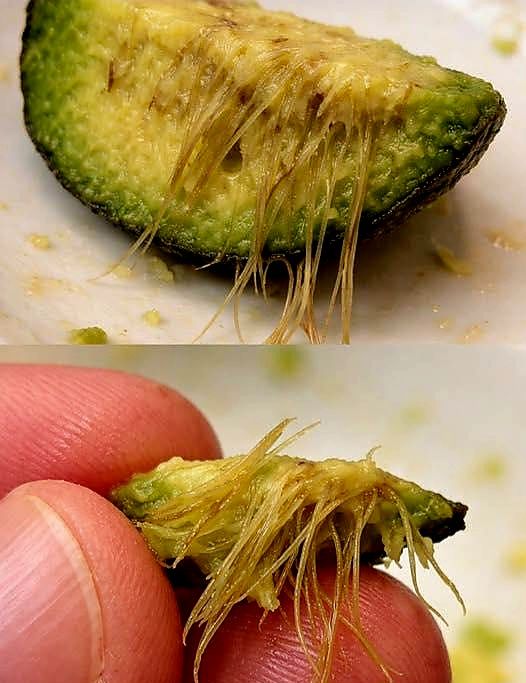

You wait patiently. The avocado on your counter has finally softened to that perfect point. Not too firm, not too mushy. You slice it open, expecting that smooth, creamy green interior. Instead, you’re met with thin, brownish strings running through the flesh.
For many people, this moment feels like a small culinary disappointment. Is the fruit spoiled? Is it still safe to eat? Should it go straight into the bin?
According to insights shared by The Hearty Soul, these stringy fibers are actually quite common and far less alarming than they appear. In fact, they reveal something interesting about how avocados grow and mature.
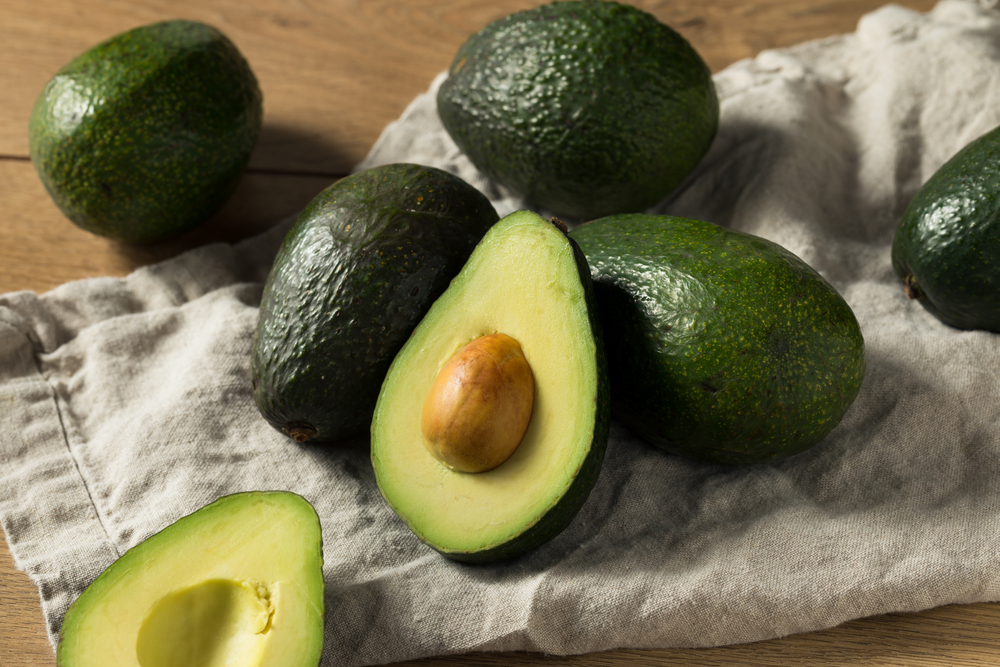
What Exactly Are Those Strings?
Those thin, hair-like strands inside an avocado are vascular fibers. They are part of the fruit’s internal transport system, helping move water and nutrients as it develops.
From a biological perspective, the avocado, or Persea americana, is classified as a large berry with a single seed. Like other fruits, it relies on a network of tissues to distribute essential compounds during growth.
Normally, these fibers are soft and barely noticeable. However, under certain conditions, they can become more visible and slightly tougher in texture.
This is why some avocados feel perfectly creamy, while others seem a bit stringy.
Why Do Some Avocados Have More Fibers?
The appearance of strings is influenced by several factors, most of which relate to how the fruit was grown and harvested.
One common reason is maturity. Avocados that stay on the tree longer may develop more pronounced fibers. While this doesn’t necessarily make them unsafe, it can affect texture.
Another factor is variety. Some types of avocados are naturally more prone to developing visible fibers than others. The widely consumed Hass avocado is generally known for its creamy consistency, but even it can occasionally show stringiness.
Environmental conditions also play a role. Weather patterns, soil quality, and water availability can all influence how the fruit develops internally.
Ripening Science and Texture Changes
Avocados have a unique ripening process. Unlike many fruits, they do not ripen while still attached to the tree. Instead, they begin to soften only after being harvested.
This process is driven by ethylene, a natural plant hormone that triggers changes in texture, color, and flavor.
As the fruit ripens, enzymes break down cell walls, creating that signature buttery consistency. However, if the vascular fibers are more developed, they may remain intact even as the surrounding flesh softens.
This contrast is what creates the stringy sensation some people notice.

Are Stringy Avocados Safe to Eat?
In most cases, yes. The presence of strings does not automatically mean the avocado is spoiled.
To determine whether an avocado is still good, it’s better to look for other signs. A fresh avocado should have a mild, pleasant smell and a green to light brown interior without unusual discoloration.
If the fruit smells off or has large dark patches, it may be past its prime. Otherwise, a few fibers are simply a texture issue, not a safety concern.
For those who prefer a smoother experience, the stringy parts can often be removed with a spoon or knife.
Cultural and Culinary Perspectives
Avocados have a long and fascinating history. Native to Mesoamerica, they have been part of human diets for thousands of years.
The ancient Aztecs valued the fruit not only for its taste but also for its nutritional benefits. Over time, avocados became a global staple, appearing in everything from traditional dishes to modern recipes like toast and smoothies.
Interestingly, perceptions of texture vary across cultures. In some cuisines, slight variations in consistency are accepted as natural, while in others, uniform creaminess is preferred.
This highlights how food expectations are shaped by both tradition and modern culinary trends.
How to Choose Better Avocados
While you cannot always predict what’s inside an avocado, there are a few tips that can improve your chances of getting a smooth one.
Choose avocados that feel slightly soft but not mushy. Avoid those with overly large dents or uneven texture on the outside. Smaller to medium-sized fruits often have a more consistent interior.
Storing avocados properly also helps. Keeping them at room temperature until ripe and then refrigerating them can maintain their quality for longer.
Even with these steps, occasional variation is normal. After all, avocados are natural products, not manufactured goods.
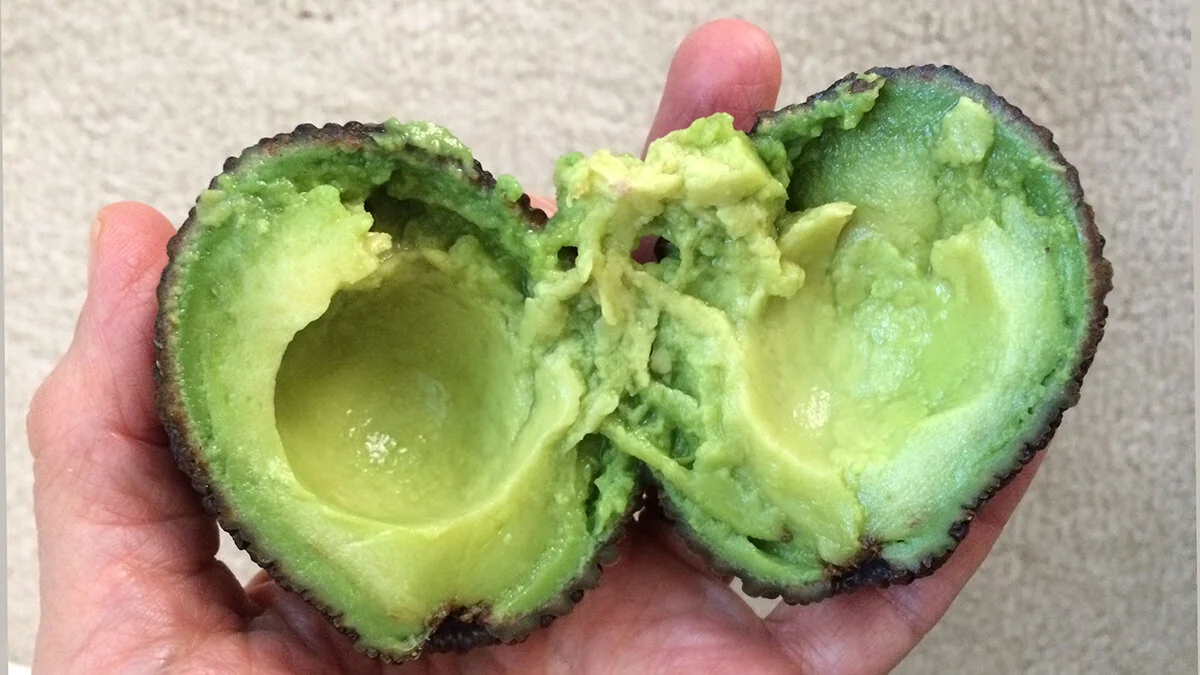
Reducing Waste and Rethinking Imperfection
One of the most important takeaways from this topic is the idea of reducing food waste. Many people discard avocados simply because of texture, even when the fruit is still perfectly edible.
Understanding the science behind these fibers can help shift that mindset. Instead of seeing stringiness as a flaw, it can be viewed as a natural variation.
This perspective aligns with broader efforts to appreciate food in its less-than-perfect forms, reducing unnecessary waste and promoting sustainability.

The Science Meets Everyday Life
The story of stringy avocados is a small but meaningful example of how science intersects with daily experiences. What seems like a simple kitchen disappointment turns out to be a reflection of plant biology, environmental conditions, and natural variation.
It also reminds us that not everything needs to meet a perfect standard to be valuable. Sometimes, imperfection is simply part of the process.
Conclusion: A Little Curiosity Goes a Long Way
The next time you slice open an avocado and notice those thin strands, you might pause before tossing it aside. What looks unusual at first glance is actually a glimpse into the inner workings of a fruit that has traveled a long journey from tree to table.
Curiosity helps transform frustration into understanding. Instead of asking “Is this bad?” we begin to ask “Why does this happen?”
And in that shift, everyday moments become opportunities to learn more about the natural world around us.
Sources
The Hearty Soul article by Julie Hambleton
California Avocado Commission educational resources
United States Department of Agriculture plant science materials
Peer-reviewed research on fruit ripening and ethylene
National Geographic coverage on plant biology and agriculture
