
Why You Should Think Twice Before Killing a House Centipede
A house centipede moving quickly across a bathroom floor or basement wall can be an unsettling sight. Its long body, many legs, and sudden movements often lead people to react immediately by trying to remove or kill it. While it is understandable to feel uncomfortable around an unfamiliar arthropod indoors, house centipedes are usually not a serious threat to people, pets, or homes.
In fact, the presence of a house centipede may reveal something useful about the indoor environment. These animals are predators that feed on other small arthropods, including insects and spiders that may also be living in the home. Understanding what attracts centipedes, what they eat, and how to manage them safely can help homeowners make practical decisions without relying on unnecessary pesticides.
What Is a House Centipede?
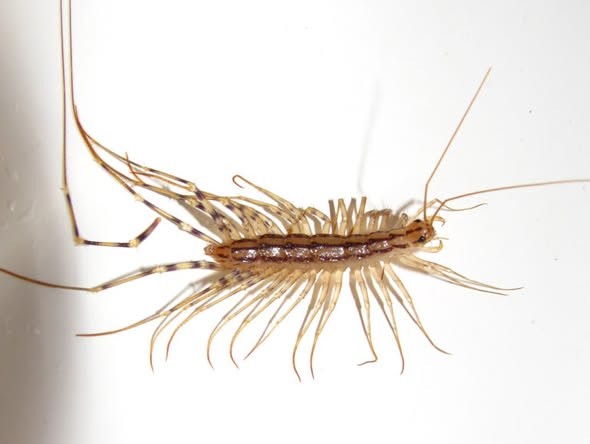
The species most commonly found inside homes in North America is the house centipede, Scutigera coleoptrata. It is recognizable by its elongated, striped body and exceptionally long legs. Adult house centipedes have 15 pairs of legs, although their appearance can make it seem as if they have many more. Their long legs help them move rapidly and detect vibrations and potential prey in dark spaces.
House centipedes are arthropods, a broad group that also includes insects, spiders, and crustaceans. However, centipedes are not insects. They belong to the class Chilopoda and differ from insects in several ways, including their number of legs and body structure. Each centipede body segment typically carries one pair of legs, while insects have six legs in total.
Although house centipedes are often associated with dirty homes, their presence does not automatically mean a home is unclean. They are primarily attracted to moisture, shelter, and prey. A tidy home can still have conditions that appeal to centipedes, especially if there are damp areas, small cracks, cluttered storage spaces, or populations of other indoor insects.
Why House Centipedes Appear in Bathrooms, Basements, and Other Damp Areas
Moisture is one of the most important factors behind indoor centipede activity. House centipedes need humid conditions to avoid drying out, so they often seek out bathrooms, laundry rooms, crawl spaces, basements, garages, and areas near plumbing fixtures. They may also hide under boxes, behind stored items, beneath sinks, or near foundation walls.
In many cases, seeing house centipedes is a sign that an area has excess moisture or that other small pests are available as food. A slow plumbing leak, poorly ventilated bathroom, damp basement, clogged gutter, or water intrusion around a foundation can create conditions that benefit several types of arthropods. Centipedes may enter through gaps around doors, utility lines, windows, and foundation cracks, especially when outdoor temperatures change.
For this reason, centipede control is often more effective when it focuses on the environment rather than the individual animal. Reducing dampness and addressing other pest activity can make a home less attractive to centipedes over time.
House Centipedes Are Predators of Other Household Pests
One reason to think twice before killing a house centipede is its role as a predator. House centipedes hunt a variety of small household arthropods. Their diet can include ants, cockroaches, silverfish, flies, moths, carpet beetle larvae, spiders, and other small insects or arachnids.
Rather than feeding on wood, fabric, food stored in cupboards, or household belongings, centipedes generally seek live prey. They are active hunters, typically moving at night through hidden areas where insects may also be active. This behavior means they can contribute to the natural control of certain small pests indoors.
It is important not to overstate this benefit. A single house centipede will not solve a major cockroach, ant, or silverfish infestation. If large numbers of pests are present, identifying the source and using an integrated pest management plan is usually the most reliable response. Still, an occasional centipede can be viewed as an indication that the home has a small predator working within the indoor ecosystem.
Are House Centipedes Dangerous to People or Pets?
House centipedes generally avoid people and prefer to escape rather than confront them. They are not known to spread diseases, damage a home’s structure, infest food, or feed on humans. Their speed and appearance can be alarming, but they are usually harmless when left alone.
Like other centipedes, house centipedes have modified front legs called forcipules, which they use to inject venom into small prey. They can bite if handled, trapped against skin, or threatened. However, bites from house centipedes are considered uncommon. When they do occur, they are typically described as causing localized pain, redness, or swelling, with the intensity varying from person to person.
Anyone who experiences severe swelling, difficulty breathing, dizziness, widespread hives, or other signs of a serious allergic reaction after an arthropod bite should seek urgent medical attention. For a minor bite, washing the area with soap and water and using a cool compress may help with discomfort. People with questions about symptoms can contact a healthcare professional or local poison control service.
Pets are also unlikely to be seriously affected by an occasional house centipede. Curious cats and dogs may chase or eat one, but persistent pest activity should still be addressed, particularly if a pet is showing signs of illness. A veterinarian is the appropriate source of advice when a pet has concerning symptoms.
How to Remove a House Centipede Without Killing It
People who do not want centipedes inside can remove an individual animal humanely. One simple approach is to place a glass, cup, or container over the centipede and carefully slide a stiff piece of paper or thin cardboard underneath. The container can then be carried outside and released near a sheltered location with leaf litter, stones, or moist soil.
Because house centipedes move quickly, this method may require patience. Avoid handling them directly, both to prevent injury to the animal and to reduce the small chance of a defensive bite. If a centipede is in a difficult-to-reach location, a vacuum may remove it, but this is not generally a humane option. Sticky traps can also catch centipedes, although they may capture non-target insects and other small animals as well.
For homes with repeated sightings, professional pest management advice may be useful. A qualified professional can help identify moisture problems, entry points, and possible prey insects. The most sustainable approach is usually to correct the conditions that support centipedes rather than repeatedly applying broad-spectrum insecticides.
How to Prevent House Centipedes From Returning
Prevention begins with reducing moisture. Use bathroom exhaust fans during and after showers, repair leaking pipes, dry wet areas promptly, and consider a dehumidifier in basements or other persistently damp rooms. Improving drainage around the exterior of the home can also help. Gutters and downspouts should direct water away from the foundation, and standing water near the building should be addressed when possible.
Sealing potential entry points is another useful step. Caulk cracks around windows, doors, pipes, and foundation openings. Install or repair door sweeps, window screens, and weatherstripping. These measures can reduce entry by centipedes as well as many other insects.
Indoor clutter can provide hiding places for centipedes and their prey. Keeping basements, closets, and storage areas orderly makes it easier to inspect for moisture and pest activity. Cardboard boxes stored directly on damp floors can be especially attractive to small arthropods, so elevated plastic storage containers may be a practical alternative in some areas.
Most importantly, investigate what centipedes may be eating. If ants, silverfish, cockroaches, flies, or spiders are regularly present, managing those populations can reduce the food supply that attracts centipedes. This approach reflects integrated pest management, which combines sanitation, exclusion, moisture reduction, monitoring, and targeted treatment only when needed.
When Frequent Centipede Sightings May Signal a Larger Problem
Seeing one house centipede occasionally is common in many regions and is not necessarily a cause for concern. However, regular sightings may suggest that a favorable habitat exists indoors. Persistent humidity, water damage, foundation gaps, or an active insect population may be contributing factors.
Homeowners should pay attention to related signs, such as a musty smell, visible condensation, peeling paint near water sources, repeated insect sightings, or evidence of leaks. Moisture issues can affect indoor comfort and may contribute to building maintenance concerns. Addressing them early can support both pest prevention and the condition of the home.
If there is suspected mold, substantial water damage, a major insect infestation, or uncertainty about pesticide use, it is sensible to consult an appropriately qualified building professional, pest management provider, or local extension service. Advice may vary based on climate, building design, and the pest species involved.
A More Balanced Way to View House Centipedes
House centipedes are not everyone’s preferred houseguest, and there is no requirement to share indoor space with them. Still, they are better understood as moisture-seeking predators than as destructive or highly dangerous pests. Their appearance may be startling, but their behavior is largely focused on finding shelter and hunting small arthropods.
Choosing not to kill an occasional centipede can be a reasonable option, particularly when it can be safely relocated. At the same time, reducing excess humidity, sealing entry points, and managing other insect activity can make the home less welcoming to centipedes in the first place. This practical, evidence-based approach supports a more comfortable home while limiting unnecessary chemical exposure.
Sources
Disclaimer: This content is intended for entertainment purposes only and is not based on real events.