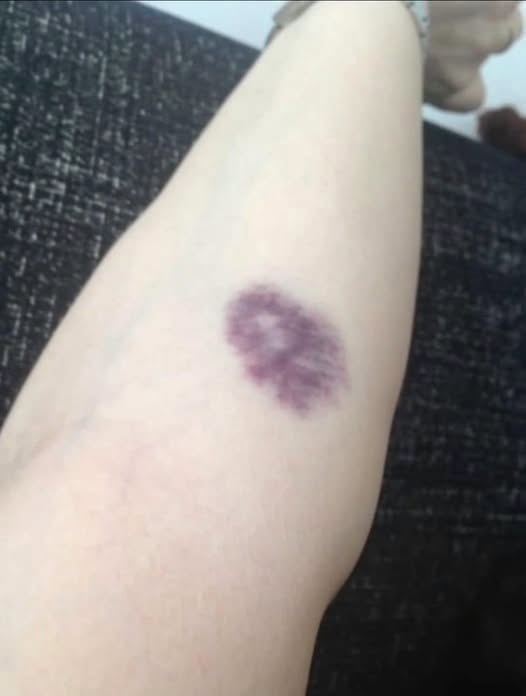

Introduction: When Bruises Seem to Appear Out of Nowhere
Bruises are common and usually harmless. Many people notice occasional marks on their skin that they do not recall acquiring. While a single unexplained bruise can be easily dismissed, repeated bruising without an obvious cause might leave you wondering about the underlying factors. Are these bruises harmless, or could they be signaling something about your health? This article explores the potential causes of unexplained bruises, when they could mean something more serious, and how to better understand what your body might be trying to tell you.

What Is a Bruise?
Medically known as a contusion, a bruise forms when small blood vessels (capillaries) near the skin’s surface break due to trauma. Blood leaks out beneath the skin, resulting in discoloration that often shifts from red or purple to green and yellow as it heals. Most bruises appear after a bump or injury, but sometimes they seem to form without any apparent impact, especially as people age.
Common Causes of Unexplained Bruising
While bruising is usually the result of bumping against something, various other factors can lead to more frequent, larger, or darker bruises. Some of the most common causes include:
- Aging: As people age, skin becomes thinner and loses some of its protective fatty layer, making capillaries more prone to breaking even with minor bumps.
- Medications: Medicines such as aspirin, anticoagulants (blood thinners), corticosteroids, and some supplements (like fish oil or ginkgo) can increase the likelihood of bruising by impacting blood clotting or making vessels more fragile.
- Nutritional Deficiencies: Lack of nutrients like vitamin C, vitamin K, and iron can weaken blood vessels and affect healing, resulting in easier bruising.
- Genetics: Some individuals are simply more prone to bruising due to inherited factors. If your parents or siblings bruise easily, you may be more likely to experience the same.
- Exercise: Intense physical activity, weightlifting, or competitive sports can cause small blood vessels to rupture, especially in muscles, sometimes resulting in deep tissue bruises.
- Alcohol Consumption: Heavy drinking can impair liver function, which plays a vital role in producing clotting factors that prevent excessive bleeding.
When Should You Be Concerned?
Most unexplained bruises are minor and resolve on their own. However, certain patterns or accompanying symptoms may indicate a more serious underlying problem. Consider contacting a healthcare provider if you notice:
- Bruises that appear frequently or are unusually large without any known injury.
- Excessive bleeding from small cuts or prolonged nosebleeds.
- Bruises that develop after starting a new medication.
- Easy bruising along with fatigue, weight loss, or night sweats.
- Bruises accompanied by joint pain or swelling.
- Spontaneous bruising in unusual locations (such as the torso, back, or face).
These could be signs of an underlying bleeding disorder, blood platelet dysfunction, or other medical issues that require further evaluation.

Medical Conditions Associated with Easy Bruising
Several medical conditions are associated with increased bruising. Recognizing these conditions is important in understanding when unexplained bruising may be a warning sign.
- Blood Disorders: Conditions such as hemophilia, von Willebrand disease, and thrombocytopenia (low platelet count) interfere with normal blood clotting and can cause easy bruising.
- Liver Disease: The liver produces proteins crucial for blood clotting. Diseases such as cirrhosis or hepatitis can reduce these factors, making bruising more likely.
- Leukemia: This cancer of the blood and bone marrow can impair platelet production, increasing the risk of bruising, bleeding gums, and recurrent infections.
- Cushing’s Syndrome: An overproduction of cortisol leads to increased fragility of blood vessels, which can manifest as easy bruising.
- Vitamin Deficiencies: Deficiency in vitamins C, K, or B12, as well as folate or iron, can affect vascular integrity and clotting.
Bruising and Medications: What You Should Know
Many prescription and over-the-counter medications can affect the body’s ability to form clots or can weaken blood vessels, making bruising more likely. Notable examples include:
- Anticoagulants and Antiplatelet Drugs: Medications such as warfarin, heparin, and clopidogrel are prescribed to prevent blood clots but can also increase the risk of bruising.
- Non-Steroidal Anti-Inflammatory Drugs (NSAIDs): Drugs like ibuprofen and aspirin may thin the blood slightly and interfere with platelet function.
- Corticosteroids: These drugs, used for inflammation or immune conditions, can make the skin and blood vessels more fragile.
- Herbal Supplements: Compounds like garlic, ginkgo biloba, and fish oil may increase bleeding risk, especially when combined with other medications.
If you begin to notice increased or unexplained bruising after starting a new medication, it’s essential to speak with your healthcare provider. Do not stop taking any prescribed medication without consulting your doctor.
Lifestyle Factors That Influence Bruising
Several aspects of daily life can affect how and why bruises appear.
- Sun Exposure: Prolonged exposure to the sun can cause premature skin aging, thinning the skin and leading to easier bruising over time.
- Diet: A well-balanced diet with adequate vitamins and minerals supports blood vessel health and healing.
- Physical Activity: While beneficial overall, high-intensity workouts or contact sports can sometimes result in accidental bumps and subsequent bruises.
- Lack of Sleep or Chronic Stress: Both can slow the healing process or exacerbate symptoms related to underlying health conditions that might influence bruising tendency.
How Doctors Diagnose Unexplained Bruising
If easy bruising becomes persistent or concerning, a healthcare professional may recommend a thorough evaluation. Diagnosis usually involves:
- Medical History: Gathering details about personal and family history, medications, diet, and lifestyle.
- Physical Examination: Assessing the pattern, size, and location of bruises.
- Laboratory Tests: Blood tests may include a complete blood count, platelet count, tests for liver function, and assessments of clotting factors
In some cases, additional specialized tests or referrals to a hematologist (blood specialist) may be warranted.
Prevention and Management Strategies
Many causes of bruising are not dangerous, but some simple strategies can help minimize their occurrence and promote healing:
- Protect Yourself: Use appropriate safety gear during sports or physically demanding activities.
- Maintain a Healthy Diet: Ensure you get enough vitamin C, vitamin K, iron, and other essential nutrients.
- Monitor Medications: Always review side effects with your doctor or pharmacist, especially if you take blood thinners or anti-inflammatory drugs.
- Avoid Excessive Alcohol: Drink only in moderation to support liver health and reduce the risk of bleeding problems.
- Moisturize and Care for Skin: Especially in older adults, keeping skin healthy and protected can reduce bruising frequency.
For minor bruises, applying a cold compress shortly after injury can reduce the size and discomfort. Elevation and rest can also help speed the healing process.
Expert Opinions on Unexplained Bruising
Hematologists and primary care physicians emphasize that occasional unexplained bruises are rarely cause for alarm. According to experts at the Mayo Clinic, most easy bruising is due to benign causes, such as age-related changes in skin and vessels, or medications that impact clotting. However, sudden changes in bruising patterns, accompanying symptoms, or a family history of bleeding disorders should always prompt medical evaluation.
Internationally, recommendations are consistent: unexplained bruising that occurs alongside symptoms like unexplained weight loss, frequent infections, or significant fatigue should be promptly investigated. Public health organizations such as the World Health Organization (WHO) encourage health literacy and regular check-ups for anyone experiencing persistent changes in their health, including bruising.
International and Societal Perspectives
Easy bruising is a common complaint globally, and cultural perceptions of bruising can influence how quickly people seek care. In some societies, bruising may be mistaken for neglect or abuse, highlighting the importance of accurate diagnosis and open patient-doctor communication. Educational efforts worldwide aim to increase awareness about medical causes of bruising and the value of routine screening for chronic diseases.
Conclusion: Listening to the Signs
While most random bruises are harmless, repeated or severe bruising should not be ignored. Understanding the wide range of factors that influence bruising—from aging and medication to more serious medical conditions—empowers individuals to better manage their health. Being observant, maintaining a healthy lifestyle, and consulting healthcare professionals when necessary can ensure that bruising doesn’t go unnoticed when it signals a more significant issue.
Sources
- Mayo Clinic – Easy Bruising
- CDC – Bleeding Disorders Facts
- BBC Health
- World Health Organization – Noncommunicable Diseases Fact Sheet
- Reuters World Health News
Disclaimer: This content is intended for entertainment purposes only and is not based on real events.
