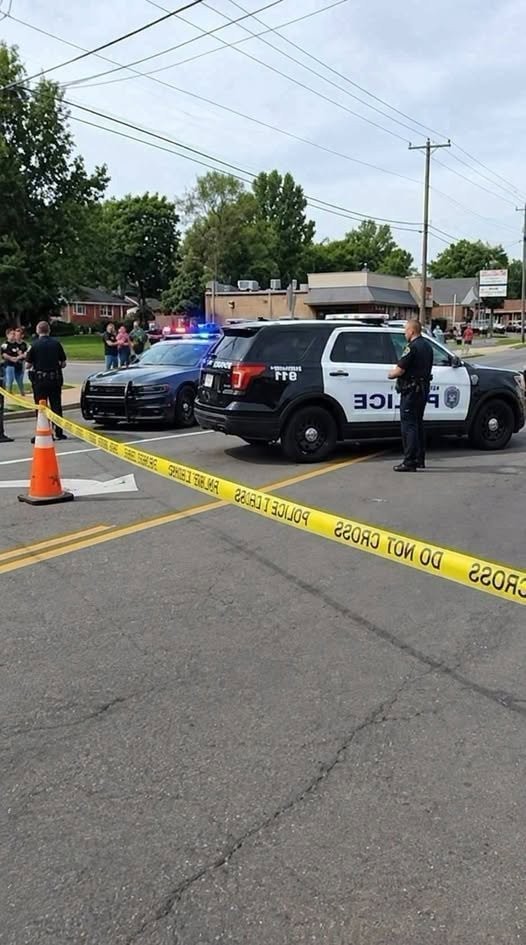

Police Ask Public to Stay Away From an Area: What Residents Should Know
When police advise members of the public to stay away from a particular area, the announcement can quickly attract attention and raise questions among residents, employees, visitors, and people traveling nearby. Such warnings are an important part of public safety communication, helping authorities manage an unfolding situation while protecting the public and allowing emergency personnel to carry out their responsibilities.
Although the reasons behind a police restriction can vary considerably, the general advice is straightforward: avoid the affected location, follow instructions from authorized officials, and obtain updates through reliable sources. A request to stay away does not automatically mean that an entire neighborhood is at risk. Instead, it may indicate that officers need to control access to a specific location while they assess circumstances or conduct an investigation.
Understanding why police establish restricted areas, how residents should respond, and where to find accurate information can help communities remain informed without contributing to unnecessary confusion. This guide explains the common reasons for police restrictions and outlines practical steps people can take when an official public safety warning is issued.
Why Might Police Ask People to Stay Away From an Area?
Law enforcement agencies may establish temporary restricted zones for several operational and public safety reasons. The decision generally depends on the nature of the incident, the location involved, and the resources required to manage the situation.
One common reason is an ongoing investigation. Following a reported crime or other incident, officers may need to secure a location to examine available evidence, speak with witnesses, and establish an accurate understanding of what happened. Limiting unnecessary access can help protect the integrity of an investigation.
Traffic incidents can also lead to temporary restrictions. Serious road collisions, blocked transportation routes, damaged infrastructure, or other unexpected disruptions may require police to close roads and redirect vehicles. These measures can provide emergency crews with sufficient space to assist affected individuals and manage traffic safely.
Another possibility is a public safety concern that requires additional assessment. Officers may need to investigate an unattended object, respond to a reported threat, or coordinate with other emergency services before determining whether an area can safely reopen.
In some circumstances, authorities may also be conducting a search or attempting to locate an individual connected with an incident. Establishing a controlled perimeter can help officers organize their response and reduce unnecessary movement around the affected location.
It is important to recognize that the existence of a restricted area does not necessarily indicate that everyone in the surrounding community faces an immediate threat. The purpose, size, and duration of restrictions depend on the circumstances. Residents should therefore avoid making assumptions and rely on information provided by the responsible authorities.
How Police Restricted Areas Help Protect Public Safety
Temporary access restrictions are an established part of emergency management and incident response. They allow authorities to organize activities in a defined location while reducing interference from unnecessary public access.
One important consideration is the safety of emergency responders. Police officers, firefighters, ambulance personnel, and other specialists may need to work in limited spaces, sometimes with vehicles and equipment that require clear access. Uncontrolled pedestrian or vehicle movement can complicate these operations.
Another consideration is evidence preservation. During an investigation, unnecessary access to a location may disturb physical evidence or make it more difficult to establish what happened. Maintaining appropriate boundaries can help investigators carry out their work systematically.
Traffic management is equally important. When roads are temporarily closed, officers may establish alternative routes to reduce congestion and keep emergency access points available. Although these changes can inconvenience commuters, following them helps support the wider response.
The Federal Emergency Management Agency (FEMA) emphasizes the importance of clear public warnings and instructions during emergency situations. Its guidance on public alert systems highlights the value of communicating the source of a warning, the affected location, the protective action required, and where people can obtain additional information.
These principles also apply to local police announcements. A useful public warning should help people understand what area is affected and what action they should take, without creating unnecessary speculation.
What Should Residents Do When Police Issue a Stay-Away Warning?
Residents should treat an official police instruction seriously, even when the available information is limited. Authorities may initially release only essential details while they assess the situation. Following the instructions already provided is generally more useful than attempting to investigate the incident independently.
1. Avoid the Restricted Location
The first step is to stay outside the designated area until authorities confirm that access is permitted. People should not attempt to cross police barriers, enter restricted buildings, or approach an active incident simply because they want to understand what is happening.
If someone lives or works nearby, they should check official guidance before attempting to enter or leave the affected location. If access arrangements change, police or local authorities may communicate alternative instructions.
2. Follow Road Closures and Traffic Directions
Drivers should observe temporary road closures, diversion signs, and instructions from uniformed officers. Attempting to bypass a closure can create additional congestion and interfere with emergency vehicles.
People traveling through the surrounding area should consider alternative routes and allow additional time for their journeys. Public transportation users may also wish to check announcements from local transport operators if the incident affects stations, bus stops, or nearby roads.
3. Keep a Safe Distance From Emergency Operations
People should avoid gathering near police vehicles, emergency service entrances, or restricted boundaries. Watching an incident from a nearby location may appear harmless, but large crowds can make it harder for emergency personnel to move freely.
Taking photographs or recording video should never take priority over safety instructions. Anyone present near an active response should follow officers’ directions and avoid obstructing their work.
4. Check on Household Members and Neighbors
Where appropriate, residents can contact family members, colleagues, or neighbors who may be affected by a road closure or access restriction. Sharing confirmed instructions can help others avoid the area and make alternative arrangements.
However, people should avoid spreading unconfirmed details about the incident. A brief message directing others to an official announcement is more useful than forwarding speculation.
5. Contact Emergency Services When Necessary
Anyone who witnesses an immediate emergency or believes that someone requires urgent assistance should contact the appropriate emergency service. In the United States, 911 is the emergency number for situations requiring immediate police, fire, or medical assistance.
Emergency telephone lines should not be used simply to ask whether a social media post is accurate or to request general updates. Official information channels are more appropriate for routine inquiries.
How to Verify Whether a Police Warning Is Genuine
Information about police activity can circulate quickly through social media, messaging applications, neighborhood groups, and online news platforms. While these channels can help people become aware of developing situations, not every shared message contains accurate or current information.
Some posts may omit important details, including the date, precise location, or source of the original announcement. Others may reuse photographs or videos from unrelated incidents, creating a misleading impression that an older event is happening again.
Residents can reduce the risk of being misinformed by following several basic verification practices.
Check Official Police Websites and Social Media Accounts
The local police department responsible for the area should generally be the first source to consult. Many law enforcement agencies publish public information through their official websites, press releases, verified social media accounts, or public information offices.
Readers should check whether the announcement appears on an account that genuinely belongs to the relevant authority. A familiar-looking logo or profile photograph alone is not sufficient proof that an account is official.
Confirm the Date and Location
Before sharing a warning, check when it was published and whether it refers to the correct location. A message describing an incident several miles away or from an earlier date may not be relevant to current conditions.
It is also useful to read the complete announcement rather than relying on a headline or short excerpt. Important information about the affected streets, access restrictions, and expected updates may appear further down the original statement.
Compare Information With Local Government Updates
Depending on the circumstances, local government offices, emergency management departments, fire services, and transportation agencies may provide additional information.
Comparing announcements from the agencies directly involved can help clarify whether a restriction remains active and whether travel arrangements have changed.
FEMA guidance also stresses the importance of using reliable government and emergency-response sources during public safety incidents. Its emergency communication resources explain why outdated messages and unverified online claims can create confusion when people are trying to make important decisions.
The Role of Social Media During Police Incidents
Social media has become an important channel for sharing local information. Residents can receive updates, discover road closures, and direct others toward official announcements without waiting for traditional news coverage.
However, the speed of online communication also creates challenges. Preliminary reports may be incomplete, and information can change as authorities establish the facts. A photograph shared without context may also lead readers to misunderstand the location or seriousness of an incident.
The Maryland Department of Health has published guidance explaining how misinformation and disinformation can affect emergency response. Its recommendations include checking credible sources, evaluating the origin of online claims, and avoiding the distribution of unverified information.
These principles are relevant to police-related announcements as well. Residents should distinguish between confirmed statements from authorities and personal observations or speculation shared by other social media users.
When sharing an official warning, it is good practice to include the original source and publication date. If information has not been confirmed, users should make that uncertainty clear rather than presenting assumptions as established facts.
Responsible online communication can help communities stay informed while reducing unnecessary concern and preventing emergency personnel from having to address avoidable confusion.
What Happens After Police Establish a Restricted Area?
The duration of a restriction depends on the type of incident and the work authorities need to complete. Some closures may last for a relatively short period, while more complicated investigations or safety assessments can require additional time.
During this period, officers may review the available information, coordinate with specialist teams, interview relevant individuals, and determine whether further action is necessary. Other emergency services may also need access to the location.
Authorities generally decide when restrictions can be reduced or removed based on operational requirements and safety considerations. The public should not assume that an area is open simply because police activity appears to have decreased.
Residents should wait for a clear announcement or confirmation from the responsible agency before returning to a restricted location. If access remains limited, people should continue using designated alternative routes and follow any updated instructions.
Where an incident affects local transportation or public services, relevant agencies may publish separate updates covering road reopening times, service changes, or alternative arrangements.
How Local Communities Can Prepare for Unexpected Police Activity
Although residents cannot predict every local incident, basic preparation can make it easier to respond calmly when authorities announce temporary restrictions.
One useful measure is to become familiar with official communication channels before an emergency occurs. Saving the local police department’s website, emergency management contact information, and local government alert registration page can make it easier to find reliable updates when needed.
People who regularly travel through a particular neighborhood may also benefit from knowing alternative routes. This is especially useful for commuters, delivery workers, caregivers, and people who depend on specific roads to reach workplaces or essential services.
Households can discuss simple communication arrangements, including how family members will share important information if normal travel plans are disrupted. Such preparation does not need to be complicated. Having a reliable way to communicate and knowing where to find official information can make unexpected situations easier to manage.
Community organizations and local businesses can also support public safety by sharing verified announcements with employees, customers, and residents. Any information distributed should retain the original instructions and avoid adding unsupported claims.
Why Official Information Matters More Than Speculation
During an unfolding police incident, uncertainty is often unavoidable. Authorities may need time to confirm reports, assess the location, and decide what information can appropriately be released.
This does not necessarily indicate that information is being withheld for reasons that suggest a wider danger. Investigations and emergency responses involve different operational considerations, and initial announcements may be limited to instructions that the public needs to follow immediately.
Responsible reporting should therefore distinguish confirmed information from unanswered questions. News organizations, community groups, and individual social media users all have an important role in avoiding exaggerated headlines and unsupported conclusions.
For residents, the most practical approach is to prioritize safety instructions, verify information through the appropriate agency, and remain patient while officials complete their work.
Conclusion: Follow Police Instructions and Stay Informed
A police request asking the public to stay away from a particular area should be treated as an important public safety instruction. Whether the restriction relates to an investigation, a traffic incident, a search, or another operational concern, respecting the designated boundaries helps authorities manage the situation effectively.
Residents can contribute by avoiding restricted locations, following road closures, keeping emergency access routes clear, and checking official communication channels for updates. They should also avoid approaching active scenes to take photographs or sharing unverified reports that could confuse others.
Most importantly, a localized restriction should not automatically be interpreted as evidence that an entire community is facing danger. The circumstances and level of risk depend on information confirmed by the responsible authorities.
By following official instructions and communicating responsibly, residents, workers, and visitors can help maintain public safety while allowing emergency personnel to carry out their duties. Accurate information, practical decisions, and cooperation with local authorities remain essential whenever police activity affects a public area.
Sources
- Federal Emergency Management Agency (FEMA) – Emergency preparedness, public warnings, and emergency communication guidance.
- FEMA Integrated Public Alert and Warning System – Information about official public alert systems and protective instructions.
- Maryland Department of Health – Guidance on identifying and responding to misinformation during emergencies.
- Anne Arundel County Fire Department – Recommendations for verifying emergency information and following official agency updates.
- United States Environmental Protection Agency (EPA) – Public emergency communication and reliable information guidance.
Disclaimer: This content is intended for entertainment purposes only and is not based on real events.