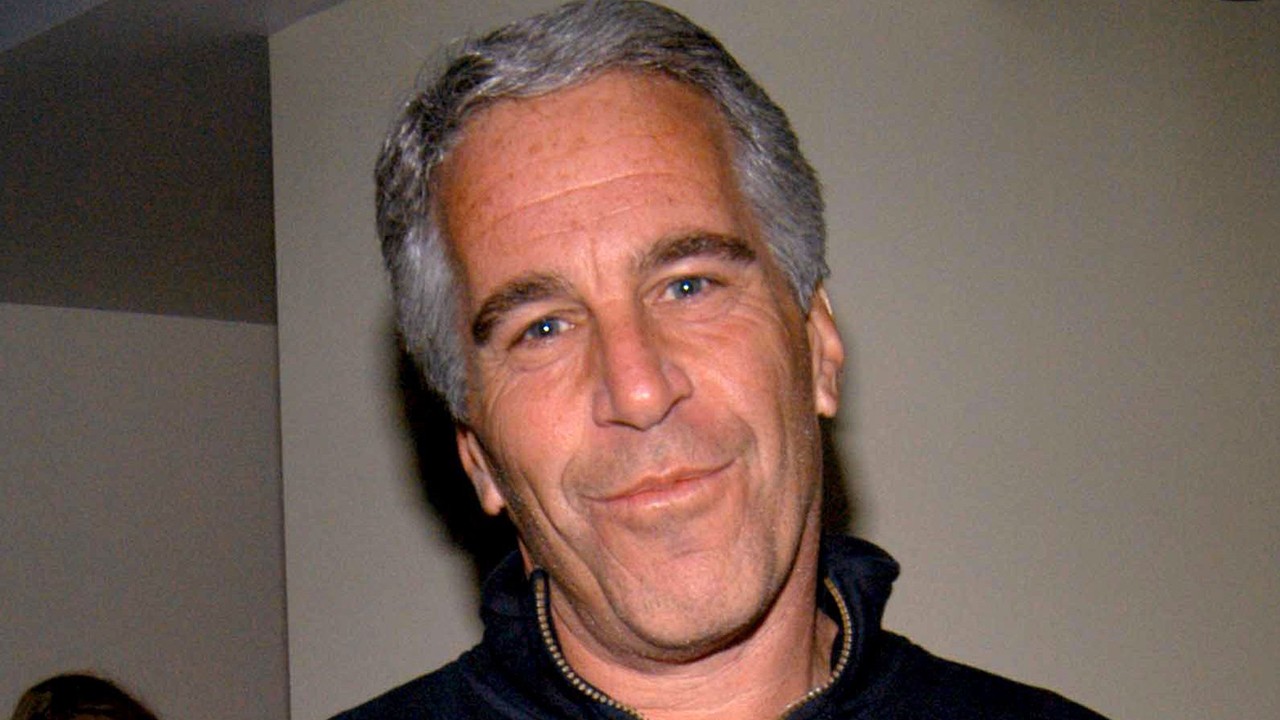

Forensic Experts Raise Questions About Jeffrey Epstein’s Death
Jeffrey Epstein’s death in federal custody in August 2019 remains the subject of intense public attention, largely because of failures at the Manhattan jail where he was being held and his connections to prominent figures in business, politics and public life. Official investigators concluded that Epstein died by suicide, and the New York City Office of Chief Medical Examiner has continued to stand by that finding.
More recently, however, a forensic specialist who reviewed autopsy materials provided by Epstein’s brother has said that some injuries documented in the records appeared, in his view, more consistent with homicide than with a self-inflicted death. The assessment, reported by CBS News, has revived debate about the case. It has not changed the official determination, and it does not by itself establish that a crime occurred.
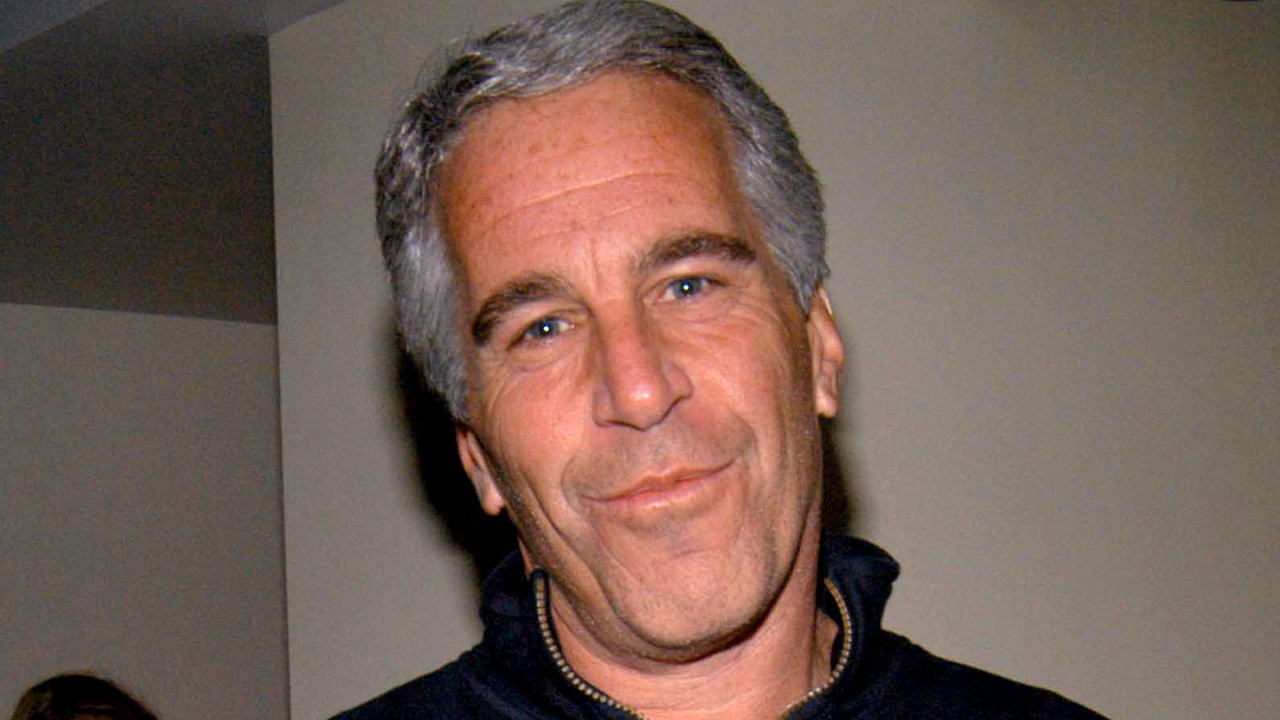
The case requires careful distinction between confirmed facts, documented institutional failures and disputed interpretations of forensic evidence. The available public record shows serious shortcomings at the Metropolitan Correctional Center in New York City. At the same time, federal investigators have said they found no evidence that another person caused Epstein’s death.
What Happened to Jeffrey Epstein in August 2019?
Epstein, a financier who had previously pleaded guilty in Florida to state prostitution-related offenses, was arrested by federal authorities in July 2019. Federal prosecutors in the Southern District of New York charged him with sex trafficking of minors and conspiracy. He denied wrongdoing in the federal case and had not gone to trial when he died.
He was being held at the Metropolitan Correctional Center, a federal detention facility in lower Manhattan, while awaiting trial. On August 10, 2019, Epstein was found unresponsive in his cell. He was 66 years old. The New York City Office of Chief Medical Examiner determined that the manner of death was suicide.
The determination was made after an autopsy and review of the available circumstances. In death investigations, a medical examiner’s finding on manner of death generally considers physical findings, medical history, investigative information and the environment in which the person was found. A ruling of suicide does not mean every question about a facility’s conduct or security has been resolved; rather, it reflects the medical examiner’s conclusion about the cause and manner of death.
Epstein’s death quickly became a major international news story. His earlier criminal case in Florida, the federal allegations filed in 2019 and widespread concern for victims of sexual abuse had already drawn extensive coverage. Many people also questioned how a high-profile detainee could die in a federal institution that was expected to follow strict supervision and safety procedures.
Official Findings: Suicide Remains the Determination
The New York City Office of Chief Medical Examiner has consistently maintained its original conclusion. The office has not announced a change in Epstein’s cause or manner of death following subsequent media reports and outside forensic reviews.
Federal authorities also reviewed the case. In June 2023, the U.S. Department of Justice Office of the Inspector General released a detailed report on the circumstances surrounding Epstein’s death. The report examined the Bureau of Prisons’ handling of Epstein before his death, staff conduct, camera systems and emergency response procedures.
The inspector general’s report found that multiple failures occurred at the facility. It said correctional officers did not complete required inmate counts and rounds, and that records were falsified to make it appear those checks had taken place. The report also described staffing shortages, training deficiencies and problems with surveillance-camera coverage in the relevant area of the jail.
These findings were significant because regular checks are intended to protect people in custody, especially detainees who may be at risk of self-harm. The report concluded that the Bureau of Prisons’ failures gave Epstein an opportunity to take his own life. It also stated that the FBI found no evidence of criminality connected to his death.
The documented failures fueled public skepticism, but they are not the same as proof that Epstein was killed. Investigators can determine that procedures were not followed while still concluding that there is insufficient evidence of homicide. That distinction is central to understanding the official record.
Why the Metropolitan Correctional Center Came Under Scrutiny
The Metropolitan Correctional Center had longstanding operational problems before Epstein’s death. The inspector general’s review described an institution under substantial pressure, including staffing constraints and issues involving security equipment. The facility later closed in 2021 after concerns about deteriorating conditions and needed repairs, although its closure was not solely related to the Epstein case.
According to the inspector general, Epstein was not housed with a cellmate at the time of his death, despite prior arrangements that had placed him with another inmate. The report found that officers assigned to his housing unit failed to conduct required rounds for several hours during the overnight period. Two officers later admitted to falsifying records related to their rounds and counts.
Camera problems also became a major part of public discussion. The inspector general found that a recording system serving the area where Epstein was housed had not captured usable footage because of technical and system-related failures. Although surveillance gaps understandably raised concern, the absence of video alone cannot establish what happened inside a cell. Investigators instead relied on physical evidence, staff accounts, records and forensic findings.
The failures prompted broader questions about correctional oversight in the United States. Correctional experts have long warned that overcrowding, vacancies, inadequate maintenance and poor staff training can undermine basic safety practices. The Epstein case became one of the most visible examples of how institutional breakdowns can damage public trust, particularly when the person in custody is involved in a case of exceptional public interest.
Later Forensic Review Raises Disputed Questions
In reporting published by CBS News, Dr. Michael Freeman, editor-in-chief of the Journal of Forensic and Legal Medicine, reviewed previously unpublished autopsy photographs and records that Epstein’s brother made available. Freeman’s review was conducted with Swedish forensic medicine professor Anders Eriksson and researcher Itiel Dror, according to CBS.
Freeman told CBS News that, in his interpretation, certain injuries described in the materials were not readily explained by a suicidal hanging. He said the overall pattern raised the possibility of strangulation by another person. The team also examined photographs of prison-issued fabric recovered from the cell and offered an alternative reconstruction of how it might have been used.
Those conclusions differ from the official finding and should be understood as an outside expert opinion rather than a new legal or medical ruling. Forensic pathology can involve disagreement, particularly when experts review records, photographs or reports after the fact instead of conducting the original examination. A later reviewer may identify features they believe deserve further consideration, but that does not automatically displace the opinion of the medical examiner who performed the initial investigation.
Freeman’s assessment is also not the first public challenge to the suicide ruling. In 2019, pathologist Dr. Michael Baden, who was retained by Epstein’s brother, publicly questioned whether some neck injuries could be consistent with homicide. Other forensic specialists have said that injuries cited in public discussion can occur in suicidal hangings and must be interpreted in the context of the entire investigation.
This is why responsible reporting on the case should avoid presenting a disputed expert opinion as a conclusive discovery. The available public evidence does not show that the official ruling has been reversed. The New York City Office of Chief Medical Examiner has continued to state that Epstein died by suicide, while the Department of Justice inspector general found no evidence of criminal conduct in connection with his death.
How Forensic Experts Evaluate Death Investigations
Determining the manner of death is rarely based on one injury or one photograph. Medical examiners consider a combination of autopsy results, toxicology, scene evidence, witness information, medical and mental-health history, correctional records, and law-enforcement findings. In a custodial setting, they may also review cell design, clothing or other materials present, staff logs, video evidence and emergency-response records.
Different experts can sometimes disagree about the significance of a particular injury. Such differences do not necessarily imply misconduct or incompetence. They can reflect limits in the evidence, varying professional experience or different assumptions about the sequence of events. In high-profile cases, these disagreements often receive wide attention, but scientific uncertainty should not be confused with proof of a particular theory.
Independent review can nevertheless be valuable. It can identify unanswered questions, test assumptions and encourage agencies to explain their conclusions more clearly. For families seeking answers after a death in custody, transparent processes and properly preserved records are especially important. Public confidence depends on institutions documenting what occurred, acknowledging failures and allowing legitimate scrutiny of their work.
Public Trust, Prison Safety and Accountability
The enduring interest in Epstein’s death reflects more than the circumstances of one case. It also reflects public concern about accountability in correctional facilities. People held in jail or prison remain under the responsibility of the government, and institutions have a duty to provide humane conditions, maintain supervision and respond appropriately to medical and mental-health risks.
The Department of Justice inspector general’s findings showed that basic safeguards at the Metropolitan Correctional Center were not followed. Even though the official conclusion remains suicide, the failures identified by investigators had serious consequences. The case prompted renewed calls for stronger staffing standards, reliable surveillance systems, accurate recordkeeping and meaningful oversight within federal detention facilities.
It is also important to keep the focus on those harmed by Epstein’s conduct. His 2019 federal charges concerned the alleged exploitation of minors, and his death meant that the criminal case against him could not proceed to trial. Survivors and advocates have repeatedly emphasized the importance of accountability, access to support services and thorough investigation of anyone who may have enabled abuse.
What Is Known and What Remains Disputed
Several facts are established in official records: Epstein died at the Metropolitan Correctional Center on August 10, 2019; the New York City medical examiner ruled his death a suicide; required correctional checks were not performed; records were falsified by staff; and camera-system failures affected available surveillance footage. Federal investigators found serious institutional shortcomings.
What remains disputed is the interpretation of particular forensic findings. Dr. Freeman’s review, as reported by CBS News, argues that the injuries and other materials may better fit an alternative scenario. The medical examiner’s office disagrees and has not altered its determination. No public announcement from federal investigators has established that Epstein was murdered.
For readers, the most accurate conclusion is therefore a limited one: the official ruling remains suicide, while outside experts have raised questions that continue to be debated. Claims that go beyond the evidence should be treated cautiously, especially in a case that has generated substantial misinformation online.
Sources
- U.S. Department of Justice Office of the Inspector General: Review of the Federal Bureau of Prisons’ Response to Jeffrey Epstein’s Death
- CBS News: Forensic expert review of Epstein autopsy materials
- Reuters: Reporting and background coverage of the Jeffrey Epstein case
- BBC News: Background reporting on Jeffrey Epstein and the federal investigation
Disclaimer: This content is intended for entertainment purposes only and is not based on real events.