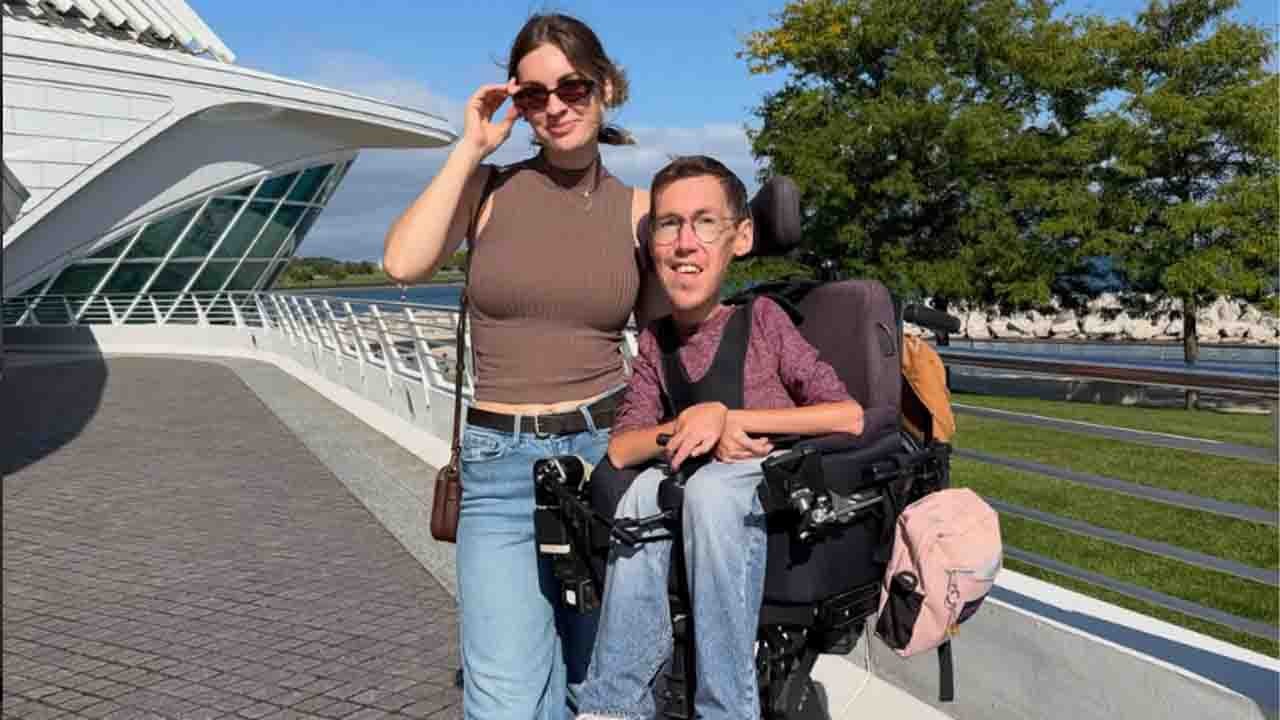

Shane and Hannah Burcaw Share Pregnancy Update and Reflect on Parenthood
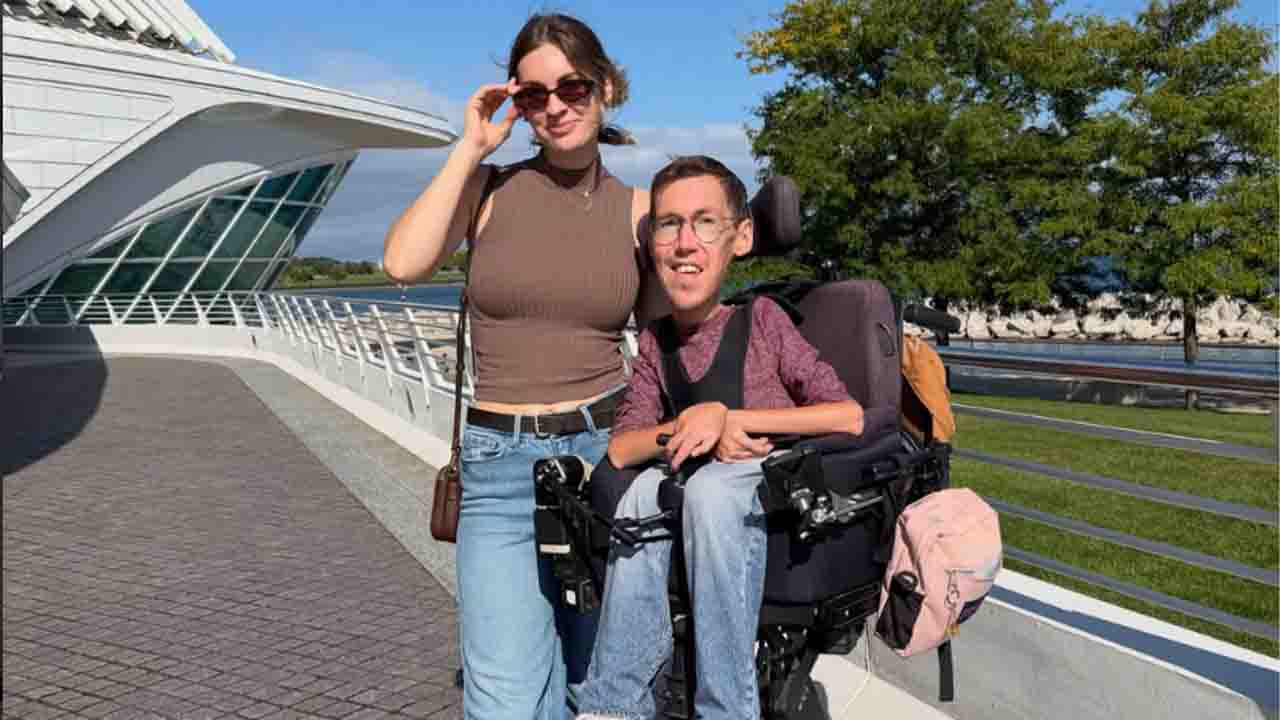
Shane and Hannah Burcaw, the married creators behind the popular online platform Squirmy and Grubs, have shared another update as they prepare to welcome their first child. The couple, who have built a large audience through candid conversations about disability, relationships, caregiving, and everyday life, announced that they are expecting a baby and have continued to document parts of the experience with their followers.
Their public updates have prompted many messages of support, while also highlighting a broader conversation about assumptions people make about pregnancy, disability, and parenthood. Hannah Burcaw is currently pregnant, while Shane Burcaw lives with spinal muscular atrophy, a genetic neuromuscular condition that affects muscle strength and movement. The couple have consistently emphasized that their relationship, like any other, includes both practical planning and emotional reflection.
In their announcement shared on Instagram, Shane and Hannah said they were “beyond ecstatic” to be expecting their first child. They explained that they had spent time enjoying the early stages of the pregnancy privately before deciding to share the news publicly. Their message reflected the excitement of many first-time parents while also acknowledging that they wanted space to process a significant family milestone on their own terms.
For the couple’s audience, the pregnancy announcement was also a continuation of work they have done for years: challenging narrow ideas about what disabled people can do, whom they can love, and how they can build families. Shane and Hannah have frequently addressed invasive or inaccurate comments online, often using humor and direct explanation to correct misconceptions about their lives.
Pregnancy Updates and Conversations About Body Changes
In a recent video shared through their online channels, the Burcaws said they were approaching the third trimester. They discussed the changes Hannah had experienced during pregnancy and responded to comments from viewers who had said they did not think she appeared visibly pregnant.
Shane pushed back against those observations, saying that Hannah did look pregnant to him. Hannah also explained that people carry pregnancies differently and that her height may affect how her pregnancy bump appears. She said she is nearly six feet tall and suggested that her body’s proportions could make her bump look less pronounced than some viewers might expect.
Medical professionals generally caution against drawing conclusions about the health or progress of a pregnancy from its outward appearance. The size and shape of a pregnant person’s abdomen can vary for many reasons, including height, body type, abdominal muscle tone, fetal position, the number of prior pregnancies, and the stage of pregnancy. Prenatal clinicians use medical assessments, including routine examinations and imaging when appropriate, rather than public perceptions of body shape, to monitor maternal and fetal health.
The American College of Obstetricians and Gynecologists notes that prenatal care is individualized. A clinician may measure fetal growth and assess overall health during appointments, but a visible bump alone is not a reliable measure of wellbeing. The Burcaws’ comments therefore offered a useful reminder that pregnancy does not look the same for everyone.
Public discussion of pregnancy can sometimes create pressure for people to conform to expectations about how they should look, feel, or share personal information. For many expectant parents, social media can provide encouragement and community, but it can also invite unsolicited scrutiny. Shane and Hannah’s approach has been to address selected questions while maintaining boundaries around the parts of their lives they wish to keep private.
Shane Burcaw Discusses His Hopes and Concerns About Fatherhood
Alongside the pregnancy updates, Shane has spoken honestly about his feelings about becoming a father. In a previously shared Facebook post, he described one of his central concerns: the extent to which he will be able to physically interact with his child because of his disability.
That concern is deeply personal, but it also reflects a question faced by many disabled parents and prospective parents. Parenting often involves physical tasks, particularly in infancy, such as lifting, feeding, bathing, changing, transporting, and comforting a child. Families handle these responsibilities in different ways, sometimes using adaptive equipment, accessible home design, assistance from partners or relatives, and routines tailored to their individual needs.
Shane has acknowledged that he understands parenting is not defined only by physical ability. Even so, he has said that the prospect of fatherhood can bring complicated emotions. His openness is significant because it avoids presenting parenthood as either effortless or unattainable for a disabled person. Instead, it recognizes that planning, uncertainty, joy, and vulnerability can all exist at the same time.
Research and advocacy organizations focused on disability rights have long stressed that disabled people have the same rights to relationships, family life, and parenting as anyone else. The United Nations Convention on the Rights of Persons with Disabilities recognizes the rights of persons with disabilities in matters relating to marriage, family, parenthood, and relationships. In practice, however, disabled parents may still encounter inaccessible services, social stigma, or assumptions that underestimate their abilities.
Experts in family wellbeing often emphasize that children benefit from consistent care, security, communication, and loving relationships. Practical caregiving matters greatly, especially for babies and young children, but parenting also involves teaching, listening, offering reassurance, setting boundaries, sharing experiences, and helping a child develop emotionally. These contributions do not depend on one single physical model of parenthood.
Feeling the Baby Kick: A Meaningful Pregnancy Milestone
One recent moment particularly resonated with the couple’s followers: Shane feeling the baby move. In a video, he described the experience as “the most wild thing in the world” as he reacted to the sensation of the baby kicking.
Feeling fetal movement can be a memorable milestone for expectant families. According to health guidance from the United Kingdom’s National Health Service, many pregnant people begin to notice movement between approximately 16 and 24 weeks of pregnancy, though the timing can differ. Partners and family members may sometimes be able to feel movement from outside the abdomen later in pregnancy, although this also varies.
For Shane and Hannah, the moment offered a tangible connection to the baby they are preparing to meet. Their shared reaction was not only about the physical sensation; it captured the growing reality of becoming parents. Such milestones can help expectant parents imagine the changes ahead, from preparing a home to considering care routines, support networks, and future family traditions.
The couple’s willingness to share moments like this has helped followers see pregnancy through a more personal lens. At the same time, their content underscores an important principle: every family decides for itself what to share publicly. Pregnancy can involve deeply private medical and emotional experiences, and respectful audiences recognize that public figures are not obligated to disclose every detail.
Learning From Other Interabled Families
Shane and Hannah have said they have spoken with other couples in interabled relationships as they prepare for parenthood. The term “interabled” is commonly used by some couples in which one partner is disabled and the other is not. These conversations have reportedly given Shane reassurance as he considers what kind of father he wants to be.
Speaking to People, Shane said other parents had reminded him that much of parenting is not solely physical. He noted that while a baby needs direct physical care, parenting also involves “the mind and emotions and learning and love.”
That perspective aligns with the experience of many families. Parenting is rarely a task performed by one person without help; it is often collaborative. Parents may divide responsibilities based on schedules, skills, health needs, or personal preferences. Some families rely on grandparents, friends, childcare professionals, medical teams, teachers, and community networks. Adaptability is not a lesser version of parenting. It is a normal part of how households function.
For parents with disabilities, adaptive strategies can be especially valuable. Depending on an individual’s needs, these may include accessible cribs, adjustable changing tables, wheelchair-compatible nursery layouts, hands-free technology, modified strollers, or tools that make feeding and carrying safer and more manageable. Occupational therapists and rehabilitation specialists may also help families identify practical adaptations that support independence and safety.
Importantly, no two disabled parents have identical experiences. Spinal muscular atrophy exists on a spectrum, and its effects vary between individuals. Shane’s specific needs, routines, and available support are personal to him and his family. Broad assumptions about any diagnosis can be misleading, which is why the couple’s own accounts are the most appropriate source for details about their plans.
Why Representation of Disabled Parents Matters
The Burcaws’ pregnancy journey has drawn attention because representation of disabled parents remains limited in mainstream entertainment and media. Disabled people are often portrayed through overly simplistic narratives: either as objects of pity or as inspirational figures expected to overcome every barrier without support. Neither framework captures the full reality of disabled lives.
By discussing marriage, reproductive choices, caregiving, and future parenting, Shane and Hannah present disability as one part of a full adult life. Their story does not erase the logistical realities of living with a progressive neuromuscular condition. Instead, it shows that disability and family life can coexist, with preparation, communication, support, and problem-solving playing important roles.
Societal attitudes have a direct effect on disabled parents. Accessible healthcare, inclusive prenatal education, reliable home-care services, family leave policies, and nondiscriminatory social services can all make a difference. Disability advocates have called for systems that respect parents’ autonomy rather than treating disability as evidence that a person is incapable of raising a child.
There is also a broader lesson for online audiences. Curiosity about someone else’s life does not justify intrusive questions or judgments. Comments about a pregnant person’s body, assumptions about a couple’s private relationship, or doubts about a disabled person’s future parenting can reinforce stigma. Supportive engagement begins with recognizing that people are experts in their own lives and deserve dignity.
A New Chapter for Shane and Hannah Burcaw
As January approaches, Shane and Hannah Burcaw are entering a new phase of their lives together. Their updates have shown a mixture of anticipation, practical thought, humor, and sincere emotion. Like many expecting parents, they are navigating an experience filled with new milestones and unanswered questions.
The couple have not suggested that they have every aspect of parenthood figured out. Instead, they have shared what they are learning, sought advice from families with relevant experience, and spoken openly about both excitement and worry. That honesty may be one reason their story has resonated with so many viewers.
Ultimately, their journey is a reminder that there is no single template for a family. Parenting can involve many forms of care, and meaningful connection is built through presence, patience, communication, and love. As Shane and Hannah prepare to meet their first child, their story continues to encourage a more inclusive understanding of relationships, disability, and family life.
Sources
Disclaimer: This content is intended for entertainment purposes only and is not based on real events.
