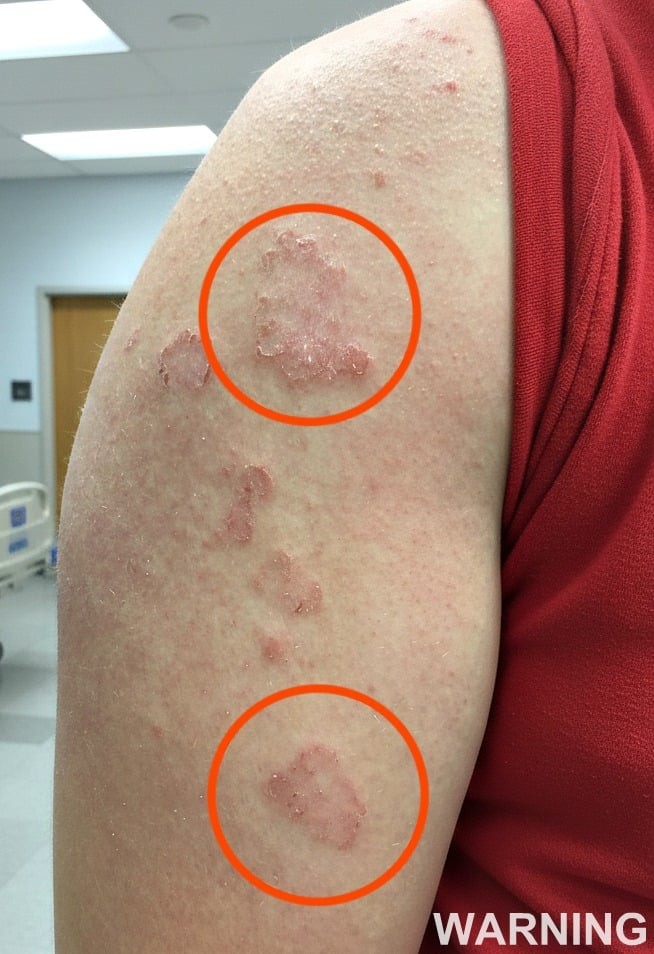

Red Marks Appearing on Your Arm: Causes, Risks, and What To Do
Noticing red marks or perfect circles on your skin can be alarming. When these patches itch, spread, and resist common treatments, it’s natural to worry about contagion or underlying health issues. Understanding the origin and nature of these skin changes is essential for your health and peace of mind. This article explores the potential causes of red marks on the arms, their associated symptoms, how to distinguish between benign and serious conditions, and the steps to take for treatment and prevention. Drawing on expert medical advice and credible global health resources, we aim to provide scientifically sound and actionable information.
Common Causes of Red Marks on the Skin
Red marks, sometimes presenting as well-defined circles, can result from a variety of skin issues. Most commonly, these manifestations are:
- Allergic Reactions: Exposure to allergens (e.g., soaps, cosmetics, plants) can trigger localized redness, itching, and rash.
- Irritant Contact Dermatitis: Physical or chemical irritation from clothing, jewelry, or household products often causes inflammatory red patches.
- Infectious Diseases: Viral, bacterial, or fungal infections may create distinctive patterns. For example, ringworm—a fungal infection—produces red circular patches.
- Autoimmune Disorders: Conditions such as psoriasis or lupus can cause red marks as the immune system attacks healthy skin cells.
- Physical Factors: Friction, heat, sweat, or minor trauma may lead to transient red spots or welts.
- Vascular Issues: Broken blood vessels or capillaries sometimes result in red marks, especially in individuals with sensitive or aging skin.
Recognizing Symptoms and Patterns
The pattern and progression of red marks provide valuable diagnostic clues. Red marks that slowly expand, become raised or create a ring-like appearance are frequently associated with fungal or allergic reactions. However, persistent, non-healing, or spreading patches may signal an underlying medical condition.
- Itching and Burning: Common in eczema, allergic reactions, and contact dermatitis.
- Painless or Painful Spots: Autoimmune diseases or infections can cause discomfort or sensitivity.
- Scaling and Oozing: Indicates potential infection or advanced dermatitis.
- Accompanying Symptoms: Fever, fatigue, joint pain—these suggest systemic illness and warrant medical attention.
Is it Contagious? Separating Fact from Fear
A major concern for people noticing unfamiliar skin changes is contagion. The risk depends on the underlying cause:
- Fungal Infections: Ringworm and athlete’s foot are contagious and may spread through skin contact or shared items.
- Bacterial Conditions: Some bacterial infections, such as impetigo, can transfer between individuals.
- Allergic and Autoimmune Disorders: These are not contagious—your immune response to triggers does not pose a risk to others.
- Physical and Vascular Causes: Non-infectious factors can’t be transmitted and pose no danger to others.
International health authorities such as the CDC and WHO advise promptly identifying the cause to prevent potential spread in infectious cases.
When to Seek Medical Attention
As symptoms persist, worsen, or fail to respond to over-the-counter therapies, professional medical evaluation is critical. Warning signs requiring a doctor’s input include:
- Rapid spreading of red marks
- Signs of infection (like pus, warmth, severe pain)
- Systemic symptoms (fever, malaise, joint swelling)
- Chronic, recurrent patches
- Presence of blisters, ulcerations, or deep wounds
Dermatologists can run diagnostic tests, including skin scrapings, biopsies, or blood tests, to determine the exact cause and recommend targeted treatment.
The Role of the Immune System
Some skin conditions result from the immune system misidentifying healthy tissue as dangerous. Autoimmune diseases such as psoriasis, lupus, and eczema are driven by abnormal immune responses, leading to chronic inflammation and characteristic red marks. Stress, genetic factors, and environmental triggers may all contribute to immune dysfunction. Modern research from the Mayo Clinic and other centers has advanced treatment options, shifting focus to immunomodulatory therapies and lifestyle management for long-term relief.
Treatment and Management Strategies
The choice of therapy depends upon the diagnosis:
- Topical Treatments: Antifungal or antibacterial creams are effective for infections, but misuse can worsen symptoms if the underlying cause is allergic or autoimmune.
- Oral Medications: Severe cases may require prescription pills—antibiotics, antifungals, or immunosuppressants.
- Skincare Regimens: Gentle cleansing, avoidance of harsh chemicals, and keeping skin moisturized are universally helpful.
- Allergen Avoidance: Identifying and steering clear of triggers is key for allergy-prone individuals.
- Professional Monitoring: Chronic disorders often benefit from ongoing specialist care, multidisciplinary collaboration, and routine blood work.
Expert consensus recommends avoiding self-diagnosis and overuse of corticosteroid creams, which can worsen some conditions or mask critical symptoms.
Preventative Steps for Healthy Skin
While not all risk factors are within your control, adopting healthy habits minimizes the occurrence of red marks and enhances skin resilience:
- Use fragrance-free, hypoallergenic products
- Wear breathable fabrics
- Maintain good personal hygiene
- Protect skin during outdoor activities
- Support immune health with balanced diet, exercise, and adequate sleep
- Monitor for new or changing skin features and consult professionals when needed
International Perspectives and Reactions
Globally, red skin marks and related disorders are recognized as common dermatological issues. The World Health Organization identifies skin health as a key measure of overall well-being. Access to dermatology varies across regions, but increased awareness, better diagnostic tools, and telemedicine are closing treatment gaps. Social reactions may include concern about appearance, contagion, or stigma—particularly in cases with visible lesions. Educational initiatives emphasize that many skin conditions, while distressing, are treatable and not necessarily contagious.
Expert Views
Dermatologists, allergists, and infectious disease specialists underscore the importance of early diagnosis and individualized care. According to research published by the CDC and Mayo Clinic, non-specialist mismanagement often leads to delayed recovery and complications. Experts promote patient education, appropriate referral, and evidence-based interventions as keys to successful outcomes. Psychological support and counseling are recommended for those experiencing anxiety about skin changes or social isolation.
Summary
Red marks—particularly perfect circles—on your arm or other areas are common and often benign, but they can signal underlying issues. Prompt recognition, medical evaluation, and appropriate treatment are essential for recovery and prevention of complications. Seeking expert advice, practicing healthy habits, and staying informed about related risks empower individuals to manage skin health proactively. If you are personally affected, remember that professional help and modern treatments offer reliable pathways to improvement and reassurance.
Sources
- Centers for Disease Control and Prevention (CDC)
- World Health Organization (WHO)
- Mayo Clinic
- Reuters
- BBC
- The Guardian
- Al Jazeera
Disclaimer: This content is intended for entertainment purposes only and is not based on real events.
