
Why Flight Attendants Sit on Their Hands During Takeoff and Landing
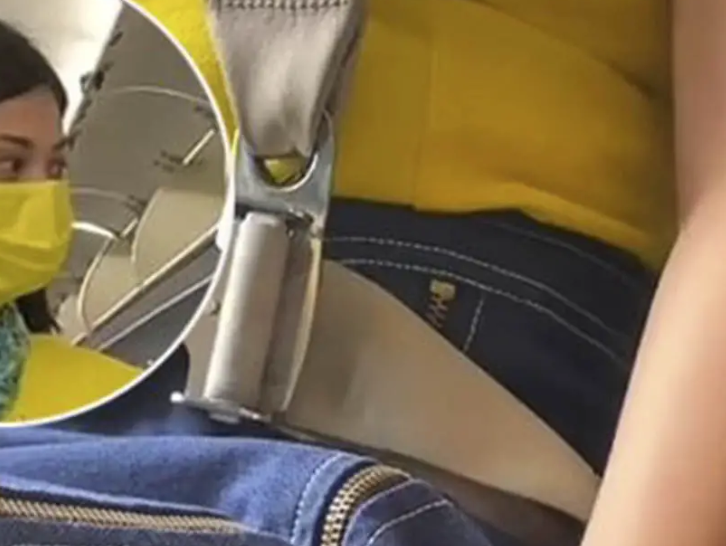
A video shared by Cebu Pacific flight attendant Henny Lim has drawn attention to a small but important part of airline safety procedures: the posture cabin crew use while seated for takeoff and landing. Passengers may notice flight attendants sitting upright at their assigned stations, with their hands placed beneath their thighs or otherwise kept in a controlled position. While the exact procedure can vary between airlines and aircraft types, the purpose is consistent: to help cabin crew remain secure, alert, and ready to respond during the most safety-critical phases of a flight.
The practice is often described online as “sitting on their hands,” but it is better understood as part of a formal cabin crew seated position and emergency-preparedness routine. It is not a casual habit or a gesture of discomfort. Flight attendants are trained to adopt positions that limit unnecessary movement, protect their hands and arms, and allow them to act quickly if an abnormal situation occurs.
Takeoff and landing account for a relatively short portion of a journey, yet they require intense concentration from pilots, air traffic controllers, and cabin crew. During these periods, passengers are asked to fasten seat belts, place seats upright, secure trays, and stow carry-on items. Cabin crew follow their own detailed procedures at the same time, including checking doors, monitoring the cabin, reviewing emergency responsibilities, and remaining ready for instructions from the flight deck.
What Is the Flight Attendant Brace Position?
In her social media explanation, Lim described a seated posture that includes fastening the seat belt, sitting upright, placing hands under the thighs, keeping the thumbs tucked in, maintaining relaxed arms, and keeping both feet flat on the floor. This is broadly consistent with the safety principles used in cabin crew training: stabilize the body, reduce the risk of limb injuries, and preserve the ability to respond after a sudden stop, turbulence event, or other unexpected disruption.
Cabin crew seating positions are designed around the layout of the aircraft and the duties assigned to each crew member. A flight attendant seated near an exit, for example, has specific responsibilities related to that exit. Their training covers how to assess external conditions, open or block an exit, give commands to passengers, and coordinate an evacuation if one is needed.
Keeping hands and arms close to the body can be important because unsecured limbs may move suddenly during severe turbulence or an impact. Placing the hands under the thighs or otherwise securing them can reduce the likelihood of hands striking nearby surfaces or becoming positioned in a way that could interfere with a rapid response. Tucked thumbs may also help protect them from accidental injury if the body shifts forcefully.
The exact wording and posture used by cabin crew are not necessarily identical across all airlines. Operators develop procedures in line with aircraft manufacturer guidance, national aviation regulations, and their own approved training programs. For this reason, passengers should view online demonstrations as general explanations rather than universal instructions for every airline or aircraft.
Why Takeoff and Landing Require Extra Attention
Commercial aviation is one of the safest forms of transport, supported by extensive regulation, maintenance standards, crew training, and operational oversight. Even so, airlines treat takeoff and landing with particular care because the aircraft is close to the ground and the crew may have less time to manage an unexpected event than during cruise flight.
During takeoff, the aircraft transitions rapidly from taxiing to flight. Pilots monitor engine performance, airspeed, aircraft configuration, weather conditions, and runway status. In the cabin, flight attendants ensure that passengers are seated, seat belts are fastened where required, electronic devices and baggage are properly managed, and exits remain unobstructed.
Landing similarly involves a carefully coordinated sequence. Pilots configure the aircraft for approach, communicate with air traffic control, and evaluate weather and runway conditions. Cabin crew complete final cabin checks, secure the galley, take their assigned seats, and prepare for the possibility of a rejected landing, abrupt maneuver, or turbulence.
Most flights proceed normally, and passengers may never realize how much preparation occurs in those final minutes before departure or arrival. The visible stillness of a flight attendant seated at a jumpseat is therefore part of an active safety role. They are not simply waiting for the aircraft to reach cruising altitude or the gate; they are monitoring, reviewing, and remaining prepared.
The Silent Review of Emergency Procedures
Lim also explained that flight attendants use this time to mentally review emergency procedures. This is a key point. Cabin crew training is designed to help crew members act decisively under pressure, and mental rehearsal can support recall of critical steps when time is limited.
Depending on their assigned station, a flight attendant may review the operation of a particular door or exit, the location of emergency equipment, evacuation commands, communication procedures, and the conditions they would need to assess before opening an exit. They may also consider which passengers are seated near exits and whether any hazards might be visible outside the aircraft.
This process is sometimes called a “silent review” or “silent briefing.” The terminology varies, but the principle is widespread in safety-focused professions. Pilots use checklists and briefings before critical flight stages. Medical teams may use structured pre-procedure checks. Emergency responders train repeatedly for low-probability, high-consequence events. The goal is not to anticipate that something will go wrong; it is to ensure that people are prepared if it does.
For cabin crew, preparation includes knowing when an evacuation may be necessary and when passengers should remain seated. An evacuation is not automatic after every unusual event. Crew must follow procedures, communicate with the flight deck where possible, and make decisions based on the circumstances. This is why flight attendant training emphasizes both technical knowledge and situational awareness.
How Aviation Authorities Address Brace Positions
Aviation regulators around the world recognize the value of restraint systems and protective body positioning in reducing injuries during survivable accidents and sudden disturbances. The U.S. Federal Aviation Administration, or FAA, provides safety guidance related to occupant protection, cabin safety, emergency evacuation, and brace positions. Its materials emphasize reducing avoidable movement and helping occupants prepare for a potential impact.
For passengers, the brace position is generally different from the seated posture used by cabin crew. Passenger instructions may depend on seat design, seat spacing, and the direction a seat faces. Airlines provide safety cards and pre-flight demonstrations that explain the appropriate actions for their specific aircraft. Travelers should always follow the instructions given by the operating airline and its crew rather than relying solely on a technique seen in a video.
The most universally useful passenger safety step remains simple: wear the seat belt whenever seated, even when the seat belt sign is turned off. Unexpected turbulence can occur with limited warning, and a fastened belt can significantly reduce the risk of injury caused by being lifted from the seat.
Passengers should also listen to safety briefings, read the safety card, keep the area around their feet clear, and note the location of the nearest exits. The nearest exit may be behind rather than ahead of a passenger’s seat. These routines may seem familiar to frequent travelers, but they are designed to provide practical information if it is ever needed.
Flight Attendants Are Safety Professionals First
The public often sees flight attendants providing food, drinks, comfort, and customer service. These are visible and valuable parts of their work, but cabin crew are safety professionals first. Their training covers emergency equipment, first aid, fire response, evacuation procedures, security awareness, communication, and passenger management.
Training requirements differ by jurisdiction, but cabin crew members must complete initial training and recurrent training to retain their qualifications. They practice procedures repeatedly and are assessed on their ability to use safety equipment and follow emergency commands. Airlines and regulators also update training when operational lessons, new aircraft systems, or revised safety standards require changes.
Cabin crew must be able to work as a coordinated team. On larger aircraft, individual flight attendants may have responsibility for different cabin zones, doors, or equipment. Clear communication is essential, especially in situations where the cabin environment may be noisy or confusing. Standardized commands and practiced routines help the team act consistently.
The seated posture during takeoff and landing represents this professional role in a visible way. A flight attendant who appears quiet and still is often carrying out a structured routine: physically secure, mentally focused, and ready to assist passengers if needed.
Social Media Has Made Aviation Safety More Visible
Social media platforms have given aviation workers a direct way to explain the less visible parts of their jobs. Flight attendants such as Lim and other creators have shared practical advice about cabin etiquette, packing, long-haul travel, and airline routines. These posts can help travelers better understand why crew instructions matter.
At the same time, aviation information online should be considered carefully. Airlines have different operating manuals, and procedures can change over time. A creator may accurately describe the training at one airline while another operator uses a different method. The most reliable source of instructions during a journey is always the airline’s crew and official safety material onboard.
Experts in aviation safety generally support public awareness when it encourages passengers to pay attention, follow crew directions, and avoid treating safety demonstrations as background noise. Increased understanding can also foster respect for cabin crew, whose responsibilities extend far beyond hospitality.
What Passengers Can Learn From the Practice
The lesson behind the “hands under the thighs” posture is not that passengers need to copy cabin crew at all times. Rather, it highlights the careful preparation built into commercial air travel. Each routine, from stowing a bag to fastening a belt, is part of a larger system intended to protect everyone onboard.
Travelers can contribute to that system by following instructions promptly and calmly. When the crew asks passengers to sit down, secure devices, return seats to the upright position, or keep aisles clear, those requests are connected to practical safety needs. Quick cooperation allows crew members to complete their checks and focus on their own assigned responsibilities.
Passengers can also make their flights safer and more comfortable by keeping essential items under the seat in front of them rather than in the aisle, being aware of exit rows, and informing crew if they have a medical concern that may require assistance. People seated in emergency exit rows should be willing and able to assist if instructed, as airlines have specific eligibility requirements for those seats.
A Small Detail With an Important Purpose
The image of a flight attendant sitting on their hands may look unusual at first, but it reflects a practical safety discipline. By adopting a stable seated position and conducting a mental review of emergency responsibilities, cabin crew help ensure they are ready during takeoff and landing.
For passengers, the practice is a useful reminder that safety procedures are not symbolic. They are based on training, regulation, operational experience, and a commitment to preparedness. The next time a flight attendant takes a seat for departure or arrival, their quiet focus is part of the safety system that supports every flight.
Sources
Disclaimer: This content is intended for entertainment purposes only and is not based on real events.