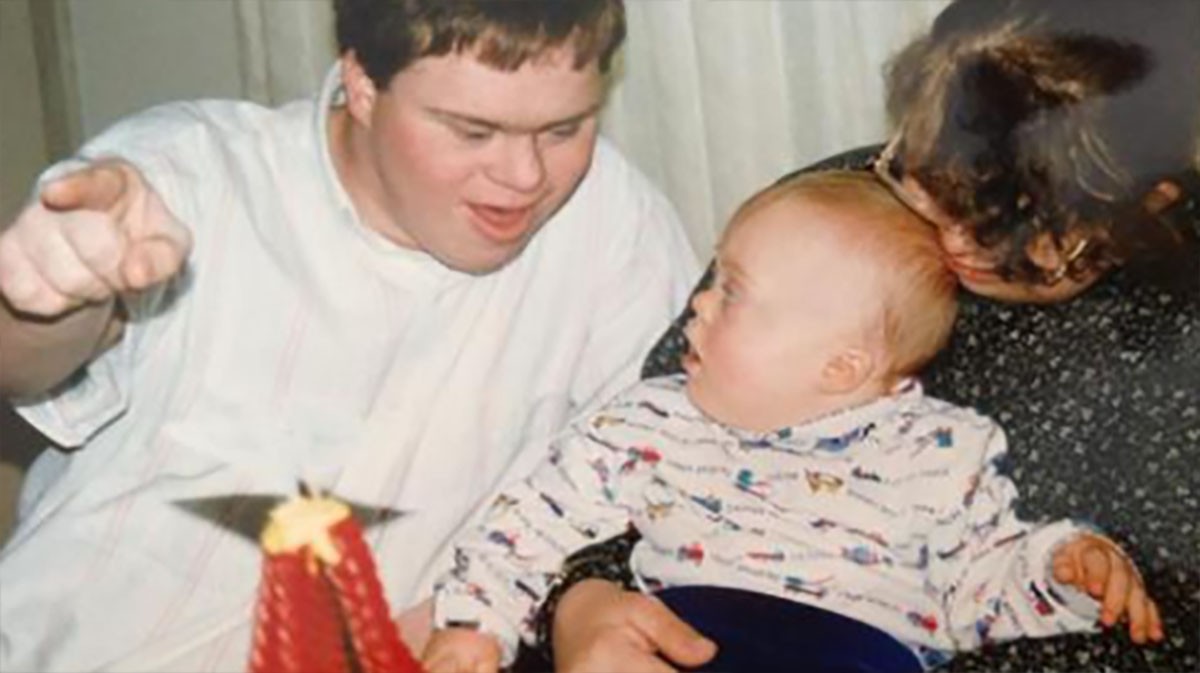

When Motherhood Defies Stereotypes: The Inspiring Journey of Lisa, A Woman with Down Syndrome

Challenging Societal Expectations on Parenthood
Throughout many cultures and societies, there exists a prevalent expectation that individuals will follow a seemingly universal path: attain a stable career, meet a life partner, marry, and eventually have children. This social script often applies considerable pressure, both subtle and overt, on those who deviate from it, especially adults who decide not to have children. Such decisions regularly attract intrusive questions and unsolicited advice from friends, relatives, and even acquaintances.
The scrutiny is often heightened for couples or individuals whose life decisions do not conform to popular norms. In particular, people with disabilities such as Down syndrome face additional layers of bias and misunderstanding. Unfortunately, stereotypes are persistent, and one of the more harmful myths is that people with developmental disabilities either cannot or should not become parents. This article explores a powerful example that challenges these narratives: the journey of Lisa, a woman with Down syndrome from California, whose life defies expectation and inspires broader conversations about independence, ability, and unconditional love.
Understanding Down Syndrome and Independence
Down syndrome, also known as trisomy 21, is a chromosomal condition characterized by intellectual disability and various physical traits. While it presents lifelong challenges, levels of independence and self-care vary widely among individuals. Educational advances, inclusive social initiatives, and evolving attitudes have made it increasingly possible for people with Down syndrome to lead active, fulfilling, and independent lives, including maintaining employment and living outside the family home.
Despite this progress, significant misconceptions remain. For example, reproductive health among people with Down syndrome is often misunderstood. While most women with Down syndrome are fertile, studies suggest that most men with the condition are infertile, but there have been rare documented cases of paternity.
A Family’s Unexpected News: Embracing Motherhood With Down Syndrome
More than two decades ago, Patti White of California received unexpected, life-changing news from her 29-year-old daughter, Lisa. Lisa, who has Down syndrome, confidently called her mother to announce, “Hi mum, I just wanted you to know you are going to be a GRANDMOTHER!” The news was met with a mixture of surprise and concern—mainly because Lisa’s boyfriend, also with Down syndrome, was widely believed by medical literature and experts to be sterile. However, as Lisa’s story unfolds, it becomes a testament to the unpredictability of life and the resilience of the human spirit.
At the time of her pregnancy, Lisa exemplified independence. She had already been living on her own for more than a decade, maintaining her own apartment, and working full-time at the local Goodwill store. Her mother noted that Lisa was well-liked by colleagues and could perform nearly every job at the store, apart from operating the cash register. Friends and family described her as bright, social, and capable.
The Complexities of Relationships and Support
Lisa had entered into a romantic relationship with a man who also had Down syndrome. Although the couple maintained separate residences, their bond was strong and recognized by their families. Patti, Lisa’s mother, was proactive in educating her daughter about birth control and healthy relationships, as parents of children with disabilities are encouraged to do. The family’s approach reflected a deep respect for Lisa’s autonomy, treating her relationship and decisions with the normalcy and seriousness that every adult deserves.
Nevertheless, Lisa’s pregnancy sparked skepticism and even criticism from members of the broader community. Some outsiders labeled her decision to become a mother as “selfish” or “irresponsible.” Yet, her immediate family’s support never wavered. Patti championed her daughter’s right to make her own reproductive choices and remained a constant source of guidance and reassurance throughout Lisa’s pregnancy.
Navigating a High-Risk Pregnancy With Courage
Lisa’s pregnancy was considered high-risk, a designation common for women with Down syndrome due to increased health vulnerabilities and potential complications. With the support of her mother, Lisa attended childbirth classes, engaged a pregnancy coach, and took all the recommended steps to monitor her health. Like many expectant mothers, she experienced morning sickness and fatigue, but persevered with determination through the challenges.
“It was hard for me to walk around when I was pregnant, I was working five days a week. I had morning sickness and I wasn’t feeling good. I felt like I was going to throw up,” Lisa recalled in an interview with Voice.
Four weeks before her due date, Lisa gave birth to her son, Nic, who, like his parents, was also diagnosed with Down syndrome. This was a unique family configuration—one that would face many challenges, but also break barriers in its own way.
Raising Nic: Family, Loss, and Resilience
The early days of Nic’s life were marked by both joy and uncertainty. Lisa’s boyfriend, Nic’s father, was present at the birth and tried to be involved as a co-parent, but the arrangement of living together did not work out. Tragically, Nic’s father died when Nic was five years old, an event that left Lisa and her mother Patti as the central figures in Nic’s upbringing.
Over the years, Lisa and Patti worked together to provide Nic with a loving and supportive environment. Despite her own challenges as a single mother, Lisa remained steadfast in her commitment to her son, supported every step of the way by her mother. Patti recounted, “Our goal when she became pregnant was for her to know him and have a relationship with him. There were many ups to their ‘Downs’, but after all these years we can honestly say they have overcome the odds and share tremendous love for each other and their small little family unit.”
However, the family’s journey was not without sacrifices and social setbacks. Lisa’s friendships suffered, as some friends’ parents feared that Lisa’s experiences might influence their own daughters’ life decisions. Throughout these challenges, her family’s unity and love served as a vital anchor.
Nic’s Growth — Breaking Stereotypes
From an early age, Nic was surrounded by strong and nurturing role models. As he grew up, he thrived academically and socially, eventually graduating from college. Nic credits both Lisa and Patti for his success and personal growth.
Speaking to Fabiosa, Nic reflected affectionately on his family: “I have two moms. My mom Lisa is my greatest future in my life. She gave me life and she gave me love and she gave me birth, and she is always wonderful and she is beautiful.”
Motherhood, Ability, and Social Perception
The story of Lisa and Nic highlights critical discussions around ability, autonomy, and parental fitness. Historically, individuals with disabilities have faced both legal and cultural barriers to parenting, including forced sterilization, lack of reproductive education, and societal bias about their ability to raise children. While many such barriers are being dismantled in progressive societies, prejudices and structural inequalities remain.
Contemporary research continues to show that, with adequate social supports and community integration, parents with disabilities can provide nurturing, safe, and healthy environments for their children. Case studies and advocacy organizations emphasize the importance of respecting autonomy while ensuring access to resources that benefit the entire family.

As Lisa approached her 50th birthday and Nic his 20th, Patti marked the milestone with a heartfelt post celebrating their resilience: “This is my daughter, Lisa, clowning with her son, Nic. They both have Down Syndrome. This year is a landmark for all of us. She will turn 50 and he will turn 20. Me, I am older than dirt. So proud of us. Our goal when she became pregnant was for her to know him and have a relationship with him…after all these years we can honestly say they have overcome the odds and share tremendous love for each other.”
Public Perception, Advocacy, and Inspiration
Over the years, Lisa and her family have become advocates, not just by sharing their own story but by embodying the values of acceptance, determination, and mutual respect. Their experiences have helped educate communities, challenge stigmas, and inspire thoughtful discussions about what it truly means to be capable, loving, and worthy of parenthood.
Their story is a reminder that the lives and abilities of people with Down syndrome are diverse, wide-ranging, and impossible to predict based on diagnosis alone. Each family is different, and each individual brings unique strengths. By broadening our perspective and advocating for inclusivity, we all contribute to a more empathetic and equitable society.
Conclusion: Celebrating Courage and Challenging Stigma
Lisa’s journey through motherhood, with Nic and her mother Patti by her side, continues to empower others to question their assumptions about disability, independence, and parenting. Their story encourages stronger advocacy for the rights of people with disabilities and highlights the importance of social support, awareness, and respect for individual choice.
As technological, medical, and social advances continue to improve the quality of life for people with intellectual disabilities, so too should our willingness to support diverse paths in adulthood—including the deeply personal decision to become a parent. Lisa, Nic, and Patti serve as an inspiration to families everywhere, illuminating a path of resilience, love, and unwavering possibility.
Disclaimer: This content is intended for entertainment purposes only and is not based on real events.
