
XFG (Stratus) COVID-19 Variant: Symptoms, Eye Irritation and What to Know
The COVID-19 variant known as XFG, sometimes referred to as Stratus in media coverage, has drawn attention as it has been detected in multiple countries. Public health agencies continue to track SARS-CoV-2 variants because the virus changes over time, affecting patterns of transmission and, occasionally, how well existing immunity protects against infection.
Although some reports have used informal labels such as “American COVID,” this is not an official scientific or public health name. Variant names used by researchers and health authorities are based on genetic lineages, not on a country or population. Current assessments from international health bodies have not indicated that XFG causes more severe disease than other COVID-19 variants in circulation.
What Is the XFG or Stratus COVID-19 Variant?
XFG is a SARS-CoV-2 lineage, meaning it is part of the continuing evolution of the virus responsible for COVID-19. Like other variants, it contains genetic changes that scientists monitor to understand whether it may spread more easily, evade some immune protection or alter the pattern of illness.
Genomic surveillance remains important because COVID-19 has not disappeared. Laboratories in many countries sequence a portion of positive samples and share information through international scientific networks. These data help the World Health Organization (WHO), national health agencies and researchers identify changes in the virus and assess potential public health implications.
As with previous variants, the detection of XFG in more places does not automatically mean it is more dangerous. A variant can become more common for several reasons, including changes in population immunity, travel patterns, chance introductions into communities and a modest transmission advantage. Evidence on severity requires careful analysis of hospital admissions, deaths, age groups, underlying health conditions and vaccination status rather than anecdotal reports alone.
WHO has emphasized throughout the pandemic that risk assessments can change as new evidence becomes available. People should rely on guidance from local public health authorities and established medical organizations rather than unverified claims circulating on social media.
Does XFG Cause More Severe COVID-19?
Available public health assessments have not established that XFG causes more severe illness than other currently circulating SARS-CoV-2 lineages. This does not mean COVID-19 is harmless. Any variant can lead to serious complications, particularly for older adults, people with weakened immune systems, pregnant people and those with chronic health conditions such as heart disease, lung disease, diabetes or kidney disease.
Severity is influenced by much more than the specific viral lineage. A person’s age, vaccination history, prior infections, access to timely medical care and underlying health status can all affect their likelihood of becoming seriously ill. Vaccination remains an important tool for reducing the risk of severe disease, hospitalization and death, especially for people in higher-risk groups.
Experts also distinguish between individual risk and population impact. Even when a variant does not appear to cause more severe disease per infection, a large rise in infections can still place pressure on health services and increase the number of people needing care. This is one reason health agencies continue to monitor wastewater data, testing trends, hospital admissions and viral sequencing.
Can COVID-19 Cause Red, Watery or Irritated Eyes?
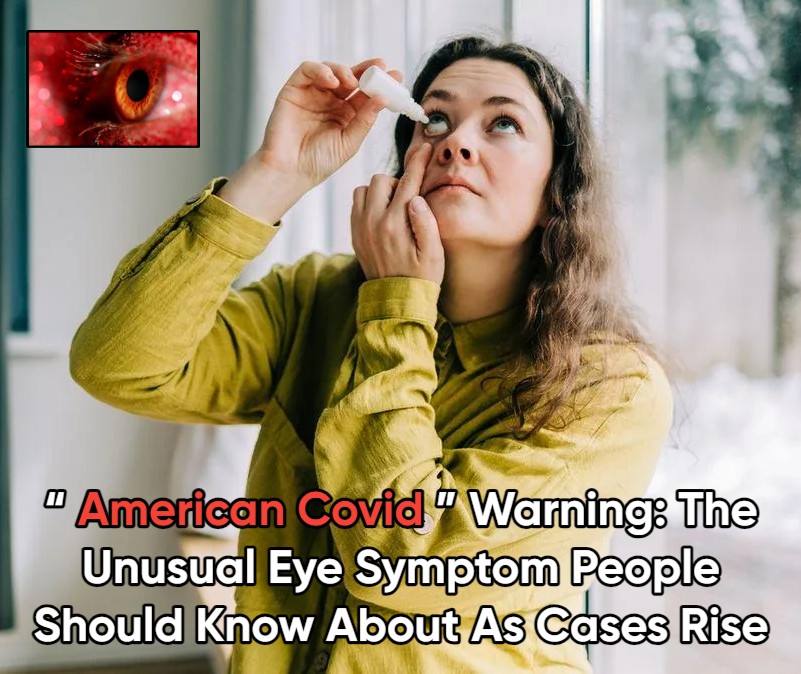
COVID-19 can sometimes be associated with eye symptoms, including conjunctivitis, commonly called pink eye. Conjunctivitis is inflammation of the thin membrane that covers the white part of the eye and lines the inside of the eyelids. Symptoms may include redness, watering, itchiness, a burning sensation, mild discomfort or discharge.
Eye symptoms have been reported with COVID-19, but they are not among the most specific signs of infection. They can occur alongside respiratory symptoms such as a sore throat, cough or runny nose. In some cases, an individual may notice eye irritation before recognizing other symptoms, but eye changes alone cannot confirm COVID-19 or identify a particular variant.
The relationship between respiratory viruses and eye symptoms is medically plausible because viruses can affect mucous membranes, including the surface of the eye. However, the presence of red eyes should be interpreted with caution. Seasonal allergies, dry eye, contact lens irritation, bacterial infections, other viral illnesses and environmental irritants can all produce similar symptoms.
People with possible conjunctivitis should avoid touching or rubbing their eyes, wash their hands regularly and avoid sharing towels, washcloths, eye makeup or contact-lens equipment. These practical measures can help reduce the spread of some infectious causes of conjunctivitis and prevent further irritation.
Common COVID-19 Symptoms to Watch For
Symptoms of COVID-19 vary widely. Some people experience mild cold-like illness, while others may have more substantial symptoms. According to major health authorities, commonly reported signs can include:
- Sore throat
- Cough
- Fever or chills
- Runny or blocked nose
- Headache
- Tiredness or weakness
- Muscle or body aches
- Changes in taste or smell, which may occur less often than earlier in the pandemic
- Nausea, vomiting or diarrhea in some cases
Some recent COVID-19 infections have been described by patients as involving a notably painful sore throat. Yet a sore throat is common in many conditions, including influenza, common colds, allergies and bacterial throat infections. It should not be used to determine which COVID-19 variant a person may have.
Symptoms alone cannot reliably distinguish COVID-19 from flu, respiratory syncytial virus (RSV), allergies or other respiratory illnesses. Testing can be helpful when results would affect decisions about protecting vulnerable people, accessing treatment, attending work or school, or contacting a healthcare professional.
Why Red Eyes Do Not Automatically Mean COVID-19
Red, itchy or watery eyes are common and usually have causes unrelated to COVID-19. Allergic conjunctivitis often affects both eyes and may be associated with itching, sneezing and a runny nose. It can become more noticeable during periods of high pollen or exposure to pet dander, dust mites or other allergens.
Viral conjunctivitis can also occur with colds and other respiratory infections. Bacterial conjunctivitis may cause thicker discharge or eyelids that become stuck together after sleep, although only a clinician can diagnose the cause accurately. Dry air, prolonged screen use, smoke, chlorinated water and contact lenses can also trigger redness and discomfort.
Because symptoms overlap, people should avoid self-diagnosing based on a single sign. A pharmacist, optometrist or healthcare professional may be able to advise on appropriate care, particularly when symptoms persist, worsen or interfere with daily activities.
When to Seek Urgent Medical Care for Eye Symptoms
Most mild eye irritation is not an emergency, but certain symptoms require prompt medical assessment. People should seek urgent care if they experience eye pain, significant sensitivity to light, blurred vision, loss of vision, severe headache with eye symptoms, marked swelling around the eye, injury to the eye or symptoms that become rapidly worse.
Contact lens wearers should take eye redness seriously, especially if it is accompanied by pain, reduced vision or discharge. Contact lenses can occasionally be associated with more serious eye infections. Removing lenses and seeking professional advice promptly can help protect eye health.
For COVID-19 itself, emergency medical attention is needed for warning signs such as trouble breathing, persistent chest pain or pressure, new confusion, inability to stay awake, or pale, gray or blue-colored lips, skin or nail beds depending on a person’s skin tone. These signs may indicate a medical emergency and should not be managed at home without professional guidance.
Testing, Treatment and Practical Prevention
If someone develops symptoms consistent with COVID-19, a test may help clarify whether they are infected. Rapid antigen tests can provide results quickly, though a negative result does not always rule out infection, particularly early in illness. Molecular tests, including PCR tests, are generally more sensitive where they are available and clinically appropriate.
People who test positive should follow the latest advice from their local health authority. Recommendations vary by country and may change depending on local transmission levels and healthcare guidance. In general, staying home while acutely unwell, limiting close contact with others and taking extra precautions around people at higher risk can reduce the chance of passing respiratory infections on to others.
Antiviral treatments may be available for some people who are at higher risk of severe COVID-19. These medicines work best when started early, so eligible patients should contact a healthcare professional as soon as possible after symptoms begin or after a positive test. A clinician can assess potential drug interactions and determine whether treatment is appropriate.
Everyday precautions remain useful during periods of respiratory illness. These include staying up to date with recommended vaccinations, improving ventilation where possible, practicing good hand hygiene, covering coughs and sneezes, and considering a well-fitting mask in crowded indoor settings or when protecting someone vulnerable.
The Importance of Accurate COVID-19 Information
Informal labels and dramatic headlines can make a newly discussed variant appear more alarming than the available evidence supports. Health communication experts generally encourage the use of clear, evidence-based language that avoids attaching a virus to a country, region or community. Such labels can create confusion and stigma while adding little useful medical information.
The most useful questions are practical: Are infections rising locally? Are hospitals seeing an increase in severe illness? Who is most at risk? Are updated vaccines and treatments available? Trusted public health agencies are best placed to answer these questions as surveillance data develop.
For most people, the appropriate response to news about XFG or any other COVID-19 lineage is measured awareness rather than alarm. Monitor symptoms, use testing and medical advice when needed, protect people at elevated risk and consult credible sources for updates. Scientific monitoring continues precisely so that health authorities can identify and respond to meaningful changes in the virus.
Disclaimer: This content is intended for entertainment purposes only and is not based on real events.
