
Facial Changes That May Be Worth Discussing With a Doctor
The face can occasionally provide visible clues about a person’s general health. Changes in skin color, swelling, texture, or the appearance of new spots may result from everyday factors such as sleep, weather, aging, irritation, or allergies. In some cases, however, persistent or unexplained facial changes can be associated with an underlying medical issue that deserves professional attention.
It is important not to diagnose a health condition based on appearance alone. Many symptoms have several possible explanations, and only a qualified healthcare professional can assess medical history, examine the affected area, and recommend appropriate tests when needed. Still, recognizing changes that persist, recur, or occur with other symptoms can help people know when to arrange a medical appointment.
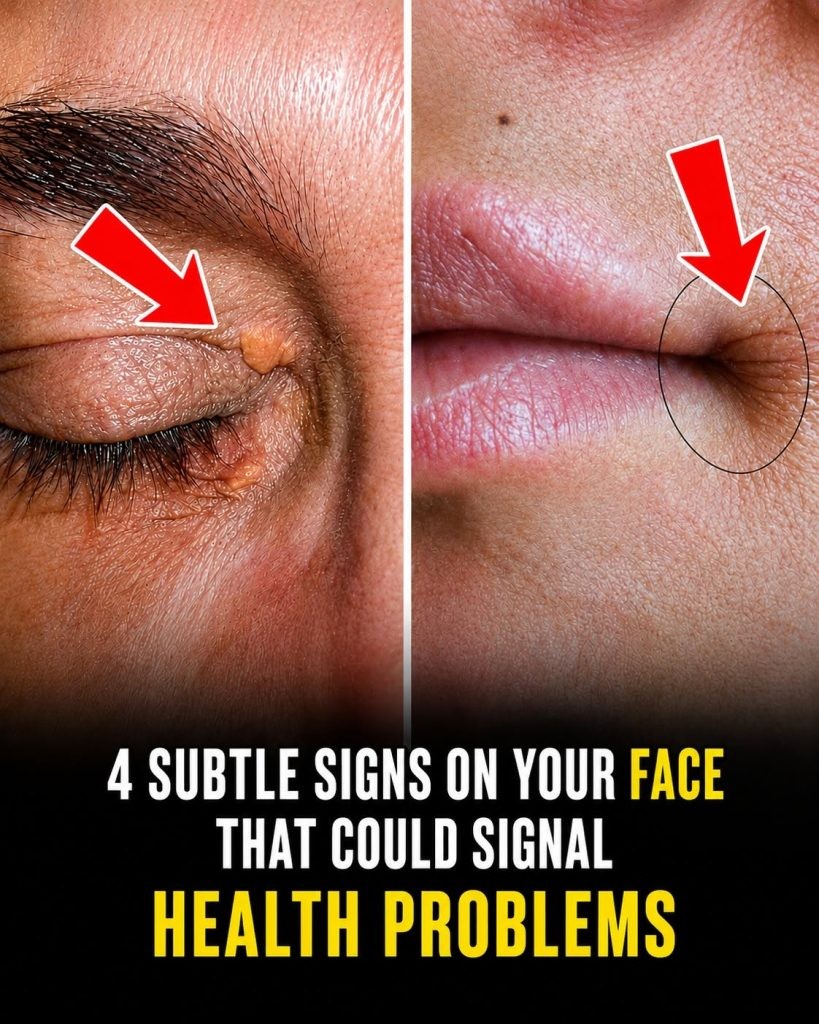
Four facial signs that may be worth discussing with a doctor include yellowish deposits around the eyelids, cracks at the corners of the mouth, unusual paleness, and ongoing facial puffiness. These signs do not automatically indicate a serious illness, but they can sometimes point to issues involving cholesterol, nutritional status, infection, anemia, allergies, thyroid function, kidney function, or medication effects.
1. Yellowish Bumps Around the Eyelids: Understanding Xanthelasma
Small, soft, yellowish patches or bumps around the eyelids are often called xanthelasma. They usually develop near the inner corners of the eyes and may appear on the upper or lower eyelids. Xanthelasma is generally painless and is not contagious. For many people, it is primarily a cosmetic concern, but its presence can be a reason to consider a cardiovascular risk assessment.
These deposits contain lipids, which are fatty substances naturally found in the body. Xanthelasma can occur in people with high levels of cholesterol or triglycerides in the blood, especially low-density lipoprotein cholesterol, often called LDL or “bad” cholesterol. However, not everyone with xanthelasma has abnormal blood lipid levels. Some people develop these patches despite having routine cholesterol results within a typical range.
Because xanthelasma may be associated with lipid disorders, clinicians may recommend blood tests to measure total cholesterol, LDL cholesterol, high-density lipoprotein cholesterol, triglycerides, and sometimes blood sugar. A clinician may also review other factors linked to heart and blood vessel health, including blood pressure, smoking status, diabetes, family history, diet, physical activity, and body weight.
Research has explored whether xanthelasma is associated with a higher risk of cardiovascular disease. While an eyelid deposit does not establish that someone has heart disease, it can be a useful visual prompt to review modifiable risk factors. This is especially relevant for people with a close family history of early heart disease or inherited high cholesterol.
If xanthelasma is confirmed, treatment depends on the individual situation. Addressing elevated cholesterol through dietary changes, exercise, weight management where appropriate, and prescribed medication may help reduce long-term cardiovascular risk. The deposits themselves may remain even after cholesterol levels improve. Dermatological or ophthalmological procedures can sometimes remove them for cosmetic reasons, although recurrence is possible.
Anyone who notices new yellow patches around the eyes may wish to schedule a routine appointment with a primary care clinician, dermatologist, or eye specialist. A medical assessment is particularly useful when the patches are growing, when there is a family history of high cholesterol, or when a person has not had a recent lipid screening.
2. Cracks at the Corners of the Mouth: Possible Causes of Angular Cheilitis
Redness, splitting, soreness, or crusting at one or both corners of the mouth is commonly known as angular cheilitis. The area may feel tender when smiling, eating, speaking, or opening the mouth widely. It can affect people of all ages and often improves with treatment directed at the underlying cause.
One common contributor is excess moisture at the corners of the lips. Saliva can collect there during sleep, after drooling, or when lip shape and skin folds allow moisture to remain in place. Repeated wetting and drying may weaken the skin barrier, making the area more vulnerable to irritation and infection.
Fungal organisms, including Candida species, can sometimes contribute to angular cheilitis. Bacteria may also play a role. People who wear dentures may be more likely to experience the condition if dentures fit poorly or if the mouth’s shape causes saliva to pool at the corners. Regular denture cleaning and dental assessment can be helpful in these circumstances.

Nutritional deficiencies are another possible factor. In particular, deficiencies involving iron and certain B vitamins, such as riboflavin, vitamin B12, and folate, have been associated with mouth and tongue changes. These deficiencies can arise for various reasons, including inadequate dietary intake, absorption problems, blood loss, or certain medical conditions. They should not be assumed without testing, since self-treating with supplements may not address the actual cause.
Other possible contributors include dry or irritated skin, contact reactions to lip products or toothpaste, diabetes, immune system conditions, and medications that affect the skin or saliva production. Children who frequently lick their lips and adults with chronic dry mouth can also experience recurrent irritation around the mouth.
If cracks at the mouth corners do not heal within roughly two weeks, recur regularly, spread, or become increasingly painful, a healthcare professional or dentist can help identify the cause. Treatment may involve a protective barrier ointment, antifungal or antibacterial medication when indicated, correction of denture-related problems, or blood tests to investigate anemia and nutritional deficiencies. Avoiding irritants and keeping the affected skin gently dry may also support healing.
3. Unusual Facial Paleness and the Link With Anemia
Facial paleness can be difficult to judge because natural skin tone varies widely and can be affected by lighting, temperature, seasonal sun exposure, and cosmetic products. A meaningful concern is usually a noticeable change from a person’s usual appearance rather than naturally light skin.
One possible medical explanation for new or persistent paleness is anemia. Anemia occurs when the blood does not have enough healthy red blood cells or enough hemoglobin, the protein that carries oxygen from the lungs to the body’s tissues. When oxygen delivery is reduced, people may experience fatigue, weakness, reduced exercise tolerance, dizziness, headaches, shortness of breath, or a fast heartbeat.
Iron-deficiency anemia is among the most common forms worldwide. It may occur when the body does not obtain or absorb enough iron, or when blood loss exceeds iron intake. Heavy menstrual bleeding, gastrointestinal bleeding, pregnancy, frequent blood donation, certain digestive conditions, and low dietary iron intake can all contribute. Anemia may also result from vitamin B12 or folate deficiency, chronic inflammation, kidney disease, inherited blood disorders, or other medical conditions.
Healthcare professionals do not rely on facial appearance alone to identify anemia. They may look for pallor in areas such as the inner eyelids, gums, nail beds, and palms, but confirmation requires a blood test. A complete blood count can measure hemoglobin, red blood cell size, and other values that guide further evaluation. Additional tests may assess iron stores, vitamin levels, kidney function, inflammation, or blood loss depending on the person’s symptoms and history.
It is sensible to seek medical advice if paleness is accompanied by persistent tiredness, dizziness, breathlessness, chest discomfort, fainting, unexplained weight loss, or changes in bowel habits. Symptoms such as chest pain, severe shortness of breath, fainting, or a rapid deterioration require urgent medical attention. Treatment for anemia depends entirely on its cause, which is why testing and clinical assessment are important before taking iron or vitamin supplements.
4. Persistent Facial Puffiness: When Swelling Needs Assessment
Most people experience mild facial puffiness from time to time. It may be more noticeable after a poor night’s sleep, crying, eating salty foods, drinking alcohol, seasonal allergies, or spending long periods lying down. In many cases, temporary swelling improves on its own during the day.
Persistent, recurrent, or worsening facial swelling should be assessed, particularly when it develops without an obvious explanation. The medical term for swelling caused by fluid in body tissues is edema. Facial puffiness can arise from a broad range of causes, so a clinician will consider the timing, location, accompanying symptoms, medical history, and medications.
Allergic reactions are one potential cause. Mild allergies may cause itchy eyes, nasal congestion, sneezing, or puffiness around the eyelids. More severe allergic reactions can lead to swelling of the lips, tongue, throat, or face and may affect breathing. Sudden swelling accompanied by trouble breathing, wheezing, throat tightness, confusion, or faintness is an emergency and requires immediate emergency medical care.
Thyroid disorders can also affect the face. An underactive thyroid, or hypothyroidism, may be associated with facial puffiness along with fatigue, sensitivity to cold, constipation, dry skin, hair changes, and weight changes. These symptoms are not specific to thyroid disease, but blood testing can help a clinician evaluate thyroid function when appropriate.
Kidney conditions may sometimes contribute to swelling, often first noticed around the eyes, especially in the morning. The kidneys help regulate fluid and salt balance. When their function is affected, swelling may also occur in the feet, ankles, or legs. Changes in urination, foamy urine, high blood pressure, fatigue, or swelling elsewhere in the body are useful details to report to a healthcare professional.
Some medications can cause fluid retention or facial swelling as a side effect. Examples may include certain blood pressure medicines, anti-inflammatory drugs, steroid medicines, and hormone-related treatments. People should not stop prescribed medication abruptly without medical guidance. Instead, they should contact the prescribing clinician to discuss new symptoms and possible alternatives.
Dental infections, sinus conditions, skin inflammation, injuries, and salivary gland problems can also cause swelling on one side of the face. Swelling that is localized, painful, warm, associated with fever, or accompanied by tooth pain should be assessed promptly. Early treatment can help prevent complications and relieve discomfort.
Why Facial Signs Cannot Confirm a Diagnosis
Visual signs can be useful starting points, but they are not diagnostic tests. A yellow eyelid patch may not reflect high cholesterol. Cracked mouth corners may be caused by irritation rather than a nutritional deficiency. Paleness may relate to lighting or natural complexion rather than anemia. Puffiness may follow a salty meal rather than signal a thyroid or kidney condition.
Healthcare professionals use a combination of information to reach an accurate conclusion. This can include a physical examination, a review of symptoms, personal and family medical history, medication use, diet, lifestyle, and laboratory testing. The same visible change can have different causes in different people.
For this reason, online health information should be used as education rather than a substitute for personalized care. It can help people prepare questions for a medical appointment, but it cannot account for every relevant detail or replace professional evaluation.
When to Contact a Healthcare Professional
A non-urgent appointment may be appropriate when a facial change is new, persistent, recurrent, or difficult to explain. Consider discussing it with a healthcare professional if you notice:
- Yellowish deposits around the eyelids, especially with a family history of high cholesterol or heart disease.
- Cracking or soreness at the corners of the mouth that does not improve within about two weeks.
- A clear change toward paler skin along with fatigue, dizziness, breathlessness, or weakness.
- Facial puffiness that lasts, returns frequently, or occurs with swelling in the hands, legs, or feet.
- New swelling, skin changes, or discomfort after starting a medication.
Emergency help is needed for sudden facial, lip, tongue, or throat swelling associated with breathing difficulty, swallowing problems, wheezing, severe dizziness, or fainting. These symptoms can indicate a serious allergic reaction and should be treated as urgent.
Supporting Overall Health Through Prevention and Routine Care
Many health risks associated with visible facial changes can be addressed through routine preventive care. Regular checkups can help identify high cholesterol, high blood pressure, diabetes, anemia, and thyroid disorders before they cause significant symptoms. The appropriate screening schedule varies based on age, sex, family history, pregnancy status, medications, and other individual factors.
A balanced eating pattern that includes vegetables, fruit, whole grains, legumes, protein-rich foods, and sources of iron and essential vitamins supports general health. Physical activity, adequate sleep, not smoking, and limiting alcohol can also benefit cardiovascular and metabolic health. These measures are helpful foundations, but they do not replace medical treatment when a condition has been identified.
Paying attention to the face should not lead to unnecessary worry. Most changes have manageable or harmless explanations. The practical approach is to notice what is different, track how long it lasts, observe related symptoms, and seek qualified advice when a concern persists. Timely assessment can provide reassurance, identify treatable causes, and support better long-term health.
Sources
Disclaimer: This content is intended for entertainment purposes only and is not based on real events.