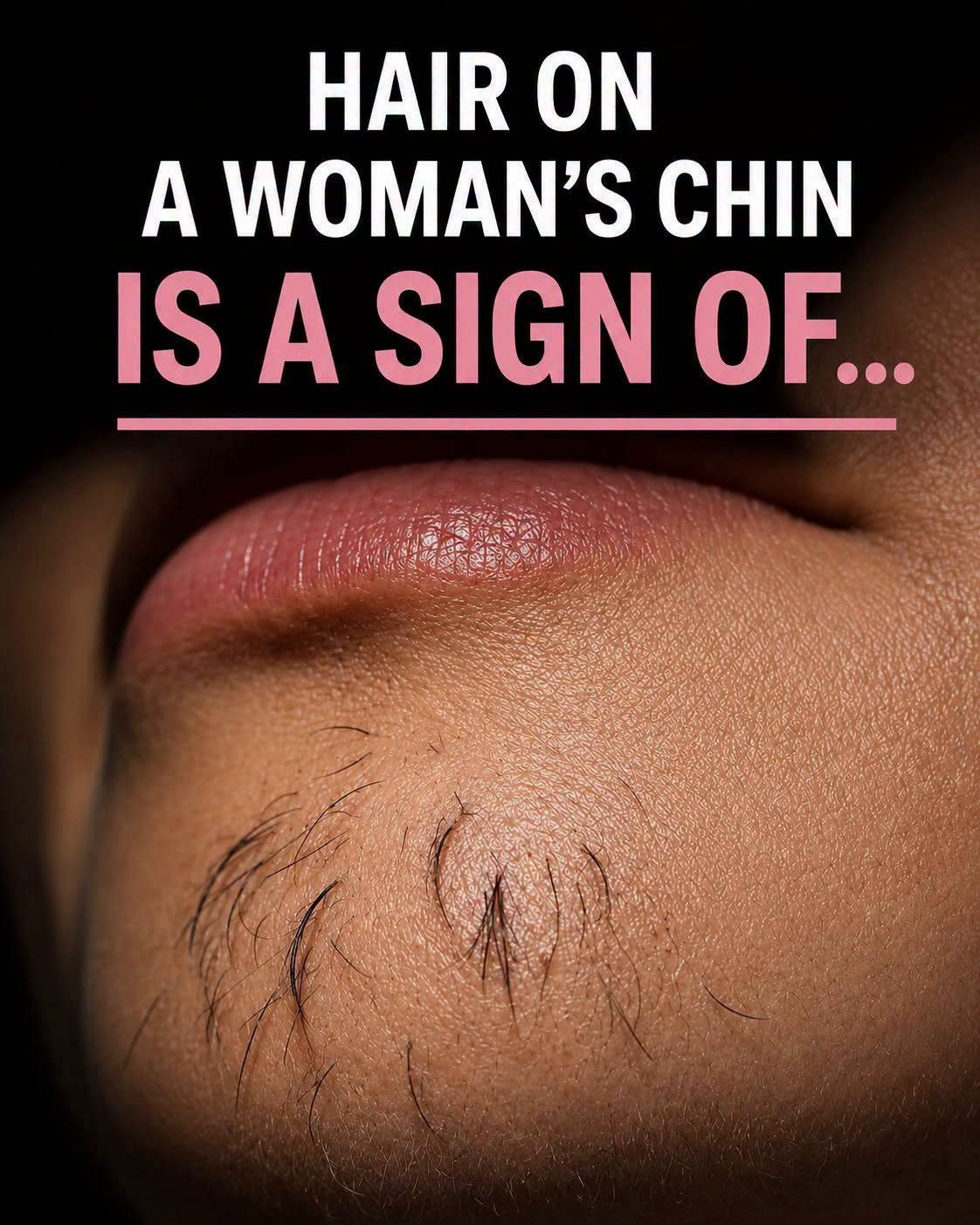

Why Chin Hair Grows in Women and What It Means
The sudden appearance of chin hair can be alarming for many women. While often dismissed as a common or trivial concern, the growth of coarse, dark hairs on the chin carries layered significance—medically, psychologically, and culturally. This comprehensive guide examines the factors behind chin hair in women, dispels myths, and explores both the medical context and management options, relying on expert insights and reputable sources.
Understanding Female Facial Hair Growth
All humans have hair follicles over most of their bodies, producing two main types of hair: vellus (thin, fine, unpigmented hair) and terminal (thicker, pigmented hair). In women, vellus hair is the most common, particularly on the face. When terminal hair appears in typically male-pattern areas—such as the chin, upper lip, or jawline—it often catches attention and can lead to questions about underlying causes.
The presence of one or two stray hairs is common and usually harmless. However, an increase in number, thickness, or length of chin hair can sometimes warrant further investigation due to possible medical conditions or hormonal imbalances.
Causes of Chin Hair in Women
1. Hormonal Fluctuations
The most frequent reason for new or increased chin hair in women is changing hormone levels. Androgens, commonly referred to as “male hormones” but naturally present in all women, are primarily responsible for hair growth in areas like the chin and jaw.
- Menopause: As estrogen levels drop and androgen levels may relatively rise, new facial hairs can develop.
- Pregnancy: Hormonal surges can cause temporary increases in facial hair growth.
- Puberty: Teenage girls may notice new hair growth patterns as hormone levels fluctuate.
- Polycystic Ovary Syndrome (PCOS): This common endocrine disorder can result in heightened androgen production, prompting excess facial and body hair, known as hirsutism.
- Other Endocrine Disorders: Conditions affecting the adrenal glands (such as congenital adrenal hyperplasia or Cushing’s syndrome) may also alter hair growth patterns.
2. Genetics
Genetics play a major role in determining hair density, color, and distribution. If a woman’s mother, grandmothers, or sisters have experienced chin hair growth, it is likely influenced by inherited traits.
Certain ethnicities and genetic backgrounds are associated with more pronounced facial hair development, irrespective of hormonal abnormalities or health conditions.
3. Medications and Health Conditions
Some medications have side effects that influence hormone levels, including:
- Anabolic steroids
- Certain hormone therapies
- Medications for epilepsy (such as phenytoin)
- Immunosuppressive drugs
Various health conditions also affect the hormonal environment, increasing the likelihood of terminal hair growth.
4. Aging and Environmental Factors
Biological aging impacts every system in the body, including hormone production. As women age, particularly after menopause, there is a relative increase in androgens compared to estrogen, which may explain the onset or acceleration of chin hair growth later in life.
Environmental factors, including exposure to certain chemicals or stress levels, have a less direct but sometimes contributory effect.
5. Rare Causes
In rare instances, the sudden appearance of chin or facial hair may be a sign of an androgen-secreting tumor or underlying health disorder. Persistent or rapidly increasing facial hair accompanied by other symptoms (such as voice deepening, acne, or menstrual irregularities) requires prompt medical evaluation.
When Should You Be Concerned about Chin Hair?
Occasional stray chin hairs are typically harmless. However, experts recommend seeking medical advice if you notice:
- Rapid increase in facial or body hair
- Accompanying symptoms such as deepening voice, severe acne, or irregular periods
- Other signs of hormonal imbalance, like unexplained weight changes or infertility
Doctors may perform hormone tests, ultrasound scans (if PCOS is suspected), or refer for dermatological evaluation to rule out underlying medical conditions.
The Psychological and Social Impact
The presence of unexpected facial hair can be distressing due to social and cultural norms regarding female appearance. Research highlights the psychological impact, including anxiety, embarrassment, and lowered self-esteem, particularly among young women and those with visible hair growth.
Support groups and counseling can help address the emotional effects, while growing awareness of diverse beauty standards is helping challenge negative stereotypes around female facial hair.
How to Manage Chin Hair: Available Treatments
The approach to managing chin hair varies by cause, preference, and cultural context. There is a broad spectrum of options, from at-home techniques to medical treatments:
- Tweezing: For occasional stray hairs, tweezing is effective but can cause minor irritation.
- Waxing/Threading: Suitable for larger areas but may be painful or cause temporary redness.
- Shaving: Safe and fast, though myths about regrowth (thicker or darker hair) are unfounded.
- Depilatory Creams: Chemical creams dissolve hair but require patch testing for sensitivity.
- Laser Hair Removal: A medical procedure using concentrated light to reduce hair growth. Most effective for dark hair and lighter skin.
- Electrolysis: Destroys hair follicles individually for permanent reduction, but can be time-consuming.
- Prescription Medications: Doctors may prescribe anti-androgen drugs (such as spironolactone) or oral contraceptives to address hormonal causes, particularly in PCOS or endocrine disorders.
Consulting a healthcare provider is essential before starting new medications or professional treatments, particularly if the cause of increased facial hair is unknown.
Lifestyle Approaches and Home Care
Managing stress, maintaining a healthy weight, and regular exercise can support hormonal balance and potentially minimize unwanted hair growth. Some studies suggest diets rich in anti-inflammatory foods may optimize endocrine health, though these effects are typically modest.
Careful skincare routines and avoiding harsh mechanical or chemical treatments help prevent skin irritation around the chin and jawline.
Challenging Stigma and Embracing Individuality
Social perceptions of hair, especially facial hair in women, have long been shaped by cultural norms and beauty standards. While some women may choose to remove chin hair for personal comfort, others are choosing to embrace it, finding support in growing online communities and advocacy for body positivity.
Education, representation, and dialogue continue to drive a shift towards acceptance and understanding, reducing stigma and empowering more women to make choices that reflect their own preferences.
Expert Views and Medical Consensus
Leading health organizations emphasize that mild facial hair in women is common and usually normal. However, comprehensive health screening is encouraged if chin hair is accompanied by other symptoms of hormonal imbalance.
According to expert guidelines, increasing public understanding of the genetic, hormonal, and social factors involved in facial hair growth can help combat misinformation and support holistic wellbeing.
International and Societal Reactions
Around the world, attitudes to female chin hair differ widely. In some cultures, visible facial hair is normalized or even celebrated, while others place a premium on smooth, hairless skin. Media campaigns and advocacy initiatives continue to reshape perceptions, promoting awareness and diversity in standards of beauty.
As knowledge grows and conversations about body image become more inclusive, more women are empowered to make informed decisions about how to address chin hair—whether medically, cosmetically, or with acceptance.
Conclusion
Chin hair growth in women is a complex phenomenon shaped by genetics, hormones, age, and society. While usually benign, it can be caused by medical conditions requiring attention. Approaches to management are personal and varied, ranging from medical treatments to lifestyle changes or self-acceptance. Consulting healthcare professionals for persistent or concerning changes remains crucial. Increasing understanding and challenging stigmas can foster both medical wellbeing and a sense of empowerment for all women experiencing changes in facial hair.
Sources
Disclaimer: This content is intended for entertainment purposes only and is not based on real events.
