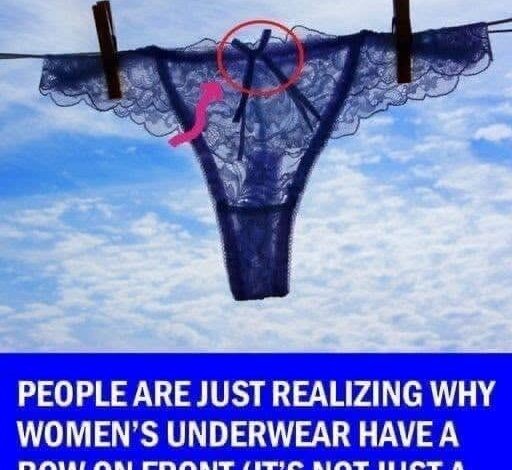

Why Women’s Underwear Have a Bow on the Front
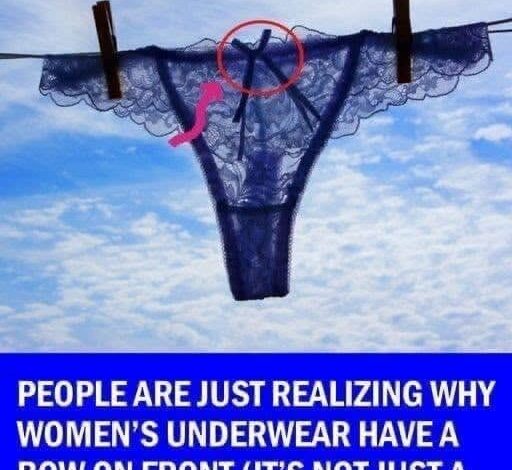
The presence of a small bow at the front of women’s underwear has often sparked curiosity. While it may seem like a simple decorative detail, the bow has deep historical roots and serves practical, aesthetic, and cultural purposes. This article explores why women’s underwear commonly features a bow on the front, examining the origins, evolution, significance, and wider social context of this enduring design element.
Historical Origins of the Bow
The bow on women’s underwear is far from merely a contemporary fashion touch. Its history can be traced back several centuries, to eras when undergarments were made differently and served multiple functions beyond modesty.
Before the widespread use of elastic waistbands in clothing—an innovation that became prominent in the late 19th and early 20th centuries—women’s underwear was commonly fastened using ribbons or ties. Ribbons allowed garments to be secured snugly around the waist or hips, providing both comfort and a custom fit. These ribbons were almost always tied at the front for practical reasons, as it was far easier for wearers to tie and untie them themselves.
Over time, as elastic bands became standard, the necessity for ribbons diminished. Nonetheless, the bow survived as a nod to this tradition, symbolizing the history of how women dressed, and how their garments evolved in response to technological advances in textiles and manufacturing.
The Bow as a Practical Feature
Although modern underwear uses elastic rather than ribbons, the bow’s presence still offers functional benefits. For many women, especially when dressing in low-light conditions or in a hurry, the bow provides a tactile indicator of which side of the underwear is the front. This small detail can prevent discomfort and the inconvenience of putting the garment on backwards. Manufacturers often use subtle cues, such as different stitching or tags, but the bow remains a recognizable signal for proper orientation.
Industry designers agree that while the bow is not strictly necessary, its usefulness adds value to the design. The intentional placement on the front aids identification, meeting an everyday need with an elegant solution.
Fashion and Aesthetic Appeal
The bow is also a statement of femininity and aesthetic appeal. Intimate apparel designers often include decorative elements to enhance visual interest and evoke certain emotions. The bow, typically made from satin or ribbon, reflects a playful and gentle touch, reinforcing the softness associated with women’s underwear.
In the competitive world of lingerie, small details make a significant difference. The bow acts as a focal point, drawing attention and imbuing the garment with personality. For many consumers, these details contribute to the emotional connection with their clothing, making them feel beautiful and confident. The continued presence of the bow demonstrates how tradition and style coexist in modern design.
Cultural Significance and Gender Identity
The use of bows and other ornamental features in women’s fashion has broader cultural implications. The bow signifies traditional ideas of femininity, which have been shaped by historical norms and societal expectations. While gender-neutral and unisex underwear is gaining popularity, classic women’s underwear styles often retain the bow to distinguish them within the broader market.
This distinction matters most in societies where fashion is closely linked to identity and self-expression. The symbolic value of the bow varies globally, but its association with delicacy, care, and femininity is nearly universal, bridging centuries and continents.
Evolution of Design in Modern Intimate Apparel
Technological advancements and shifting social attitudes have transformed the underwear industry. Materials such as microfiber, modal, and eco-friendly fabrics are now common. While these innovations focus on comfort, durability, and sustainability, traditional elements like the bow remain beloved features.
Some brands have reimagined the bow for contemporary audiences, integrating it subtly or choosing to omit it in minimalist designs. However, for many, the bow serves as a nostalgic reminder of the past—a delicate link to the stories of women throughout history. Its continued presence shows how even small details can withstand changes in style and technology.
Expert Insights and Industry Perspectives
Fashion historians, textile experts, and designers offer valuable perspectives on why the bow endures as a design feature. According to Dr. Valerie Steele, Director of the Museum at the Fashion Institute of Technology, details like bows help connect modern consumers to historical traditions, enriching the narrative of everyday objects.
Designers also highlight the importance of user experience. “We keep the bow because it’s a signature blend of function and beauty,” says lingerie designer Jessica Mann. “It solves a practical issue and celebrates the artistry of our craft.”
Manufacturers, meanwhile, confirm that customer feedback consistently praises the bow. Many shoppers report that they prefer underwear with some form of ornamentation, and the bow is among the most popular choices, due to its unobtrusive size and classic look.
Comparative International Practices
The bow is not exclusive to Western designs. Similar features are present in global markets, from Europe and North America to East Asia and beyond. Japanese and Korean lingerie brands, for instance, often emphasize bows and lace to accentuate femininity. In some cultures, the bow takes on additional significance, such as symbolizing youthfulness or traditional beauty standards.
Meanwhile, unisex and gender-neutral designs are emerging in regions with progressive social norms. These styles typically omit the bow, favoring neutral aesthetics. However, the enduring popularity of the bow in traditional women’s underwear highlights its cross-cultural appeal and historical resonance.
The Bow in Popular Culture
The bow has also made appearances in popular media and advertising. Its subtle presence has been used in marketing campaigns to evoke nostalgia, comfort, and elegance. Celebrities and influencers occasionally comment on their own preferences, causing spikes in sales for certain styles. This effect illustrates how even seemingly mundane details can take on wider social meaning.
It is not uncommon for fashion writers to discuss details such as the bow in broader conversations about trends, gender, and societal change. Such discussions contribute to the ongoing evolution of fashion and the role of tradition in modern style.
Conclusion
The tiny bow on the front of women’s underwear is more than a decorative flourish. It is a design detail with rich historical origins, practical advantages, and significant cultural meaning. The bow connects modern garments to centuries-old traditions, offers everyday utility, and reflects ongoing trends in style and identity. Its survival in contemporary fashion underscores the importance of small details in creating both beauty and usefulness. As society and technology continue to evolve, the bow remains a charming—and meaningful—fixture in women’s intimate apparel.
Sources
- BBC News
- The Guardian Fashion Section
- Reuters Lifestyle
- Al Jazeera Fashion
- Fashion Institute of Technology Museum
Disclaimer: This content is intended for entertainment purposes only and is not based on real events.
