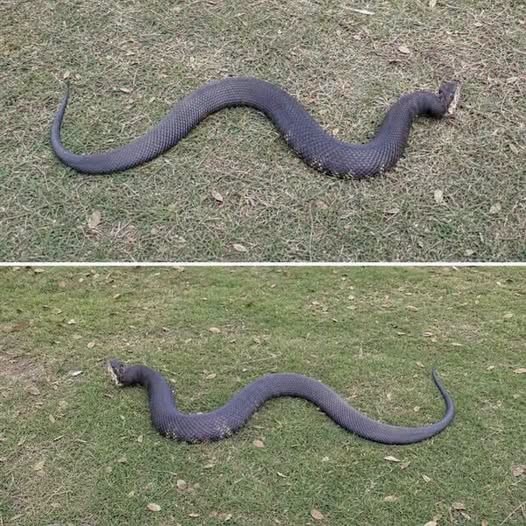

The Unseen Danger in the Wild
For many outdoor enthusiasts, turkey hunting represents both a tradition and a thrill, a way to connect with nature and put one’s skills to the test. However, the dense underbrush and remote habitats that attract wild turkeys are also ideal environments for venomous snakes like the Copperhead. Encounters can be sudden and shocking, with consequences ranging from a disrupted hunt to a life-threatening medical emergency. Understanding how to respond to a Copperhead bite is essential for hunter safety and can make the difference between a full recovery and long-term consequences.
Copperhead Snakes: An Overview
Copperhead snakes (Agkistrodon contortrix) are one of the most common venomous snakes in the southeastern United States, particularly prevalent in forested regions, rocky hillsides, and areas commonly frequented by turkey hunters. With their characteristic copper-colored heads and patterned bodies, they are experts at camouflage, making them difficult to spot in leaf-littered environments. While Copperheads are generally not aggressive, they will strike if provoked or accidentally stepped on—an unfortunate but not uncommon event during spring turkey season.
The Moment of the Strike: Physical and Psychological Responses
When a Copperhead strikes, it is often without warning. The sudden pain is intense and can induce both panic and confusion. According to field reports from hunters and wilderness guides, initial symptoms include an immediate, sharp pain at the site of the bite, swelling, and sometimes visible fang marks. The body’s natural response—adrenaline-fueled fear—often leads to increased heart rate and a strong urge to flee. Experts advise, however, that acting on panic is one of the most dangerous mistakes, as increased movement can spread venom more rapidly through the bloodstream.
In rare but severe cases, people may experience systemic symptoms such as nausea, difficulty breathing, or lightheadedness. However, most Copperhead bites result in swelling and pain rather than systemic toxicity. Nevertheless, all bites should be treated as medical emergencies due to individual variability in venom response and potential complications.
The Science of Venom: How Copperhead Bites Affect the Body
Copperhead venom is primarily hemotoxic, meaning it affects blood cells and tissues. The venom contains enzymes that cause local tissue damage, inflammation, and pain. While not typically considered as potent as that of rattlesnakes or cottonmouths, Copperhead venom can still cause considerable suffering and, in rare cases, permanent damage if not treated promptly. According to the Centers for Disease Control and Prevention (CDC), most bite victims recover fully with appropriate and timely medical care, but the risk of serious complications increases the longer treatment is delayed.
Immediate Steps: What to Do After a Copperhead Bite
- Stay Calm: Keeping calm helps slow your heart rate and reduces the spread of venom.
- Limit Movement: Immobilize the affected limb and keep it below heart level to slow the flow of venom.
- Remove Tight Items: Remove rings, watches, or tight clothing near the bite before swelling starts.
- Seek Medical Attention Immediately: Call 911 or emergency services as soon as possible. If alone in the wild, move toward help as steadily and calmly as possible.
- Monitor Symptoms: Watch for increasing pain, swelling, or more severe symptoms such as difficulty breathing, chest pain, or signs of allergic reaction.
- Do Not: Avoid cutting the bite, trying to suck out venom, applying ice, or using a tourniquet. These methods have not been shown to help and may worsen the injury (CDC, Mayo Clinic).
First Aid Fundamentals: Myth Versus Fact
Popular culture has popularized several “snakebite remedies” that are not supported by medical experts:
- Cutting or sucking out venom is ineffective and dangerous. Instead, seek professional medical care immediately.
- Applying ice or a tourniquet is not recommended and can increase tissue damage.
- Alcohol should never be used as it can thin the blood and exacerbate symptoms.
- Antivenom is reserved for systemic or severe local reactions and should only be administered in a hospital setting.
Expert sources unanimously agree that prompt transport to a medical facility is the most crucial factor in positive outcomes after a Copperhead bite.
Prevention: Reducing the Risk of Snake Encounters While Hunting
While the danger of snakebite cannot be eliminated entirely, hunters can take several steps to reduce risk:
- Wear Protective Clothing: High boots and thick pants offer a barrier against fangs.
- Stay Alert: Watch for snakes, especially when stepping over logs, rocks, or thick ground cover.
- Avoid Reaching Blindly: Use a stick to probe areas before placing your hands or feet.
- Hike with a Partner: Two sets of eyes improve detection and provide immediate support if bitten.
- Educate Yourself: Learning to identify local venomous snakes and their habitats sharply decreases the chance of accidental encounters.
Modern smartphone apps and field guides can provide visual references to help hunters distinguish between venomous and non-venomous species.
Expert Views: Medical Professionals and Wildlife Authorities
According to the American College of Emergency Physicians (ACEP), antivenom is rarely required for Copperhead bites due to the lower potency of venom compared to other North American pit vipers. Dr. Michael Greene, emergency medicine specialist at Emory Healthcare, emphasizes that pain, swelling, and local tissue injury are the main risks. “Most Copperhead bites can be managed with monitoring and supportive care,” he states, “but any bite should be evaluated in an emergency department to rule out more serious complications.”
The CDC and other health organizations also stress the importance of avoiding folk remedies and note that even so-called ‘dry bites’, where no venom is injected, require observation due to the risk of secondary infection or developing allergic reactions.
Copperhead Bites in the United States: Statistics and Trends
Every year, there are an estimated 7,000–8,000 venomous snakebites in the United States, leading to about five fatalities annually (CDC). Copperhead bites make up the majority of these incidents in the Southeast, but mortality remains low due to increased awareness and improved medical response. Ongoing public health campaigns have focused on educating those at increased risk, including hunters, hikers, and rural residents.
Recent research has highlighted a rise in reported encounters due to both habitat encroachment and increased participation in outdoor activities during the warmer months. Telemedicine initiatives in remote areas have improved outcomes by allowing quicker expert triage and guidance for first responders and patients alike.
International Comparisons: Snakebite Response in Other Regions
While North American snakes are far less likely to cause fatal envenomations compared to species found in India or sub-Saharan Africa, the fundamentals of first aid and medical response remain universal: remain calm, immobilize the affected part, and seek immediate medical help. Global institutions like the World Health Organization (WHO) advocate for improved access to antivenom and healthcare services in regions with high snakebite mortality, while also promoting education as the primary preventative tool—a strategy mirrored in the United States by wildlife agencies and health officials.
Societal Response & Continuing Education
Wildlife departments, hunting organizations, and first response agencies regularly host workshops and safety briefings, especially in regions with a high prevalence of venomous snakes. Educational efforts target not just hunters but outdoor enthusiasts, gardeners, and families who may come across wild snakes on their property. Efforts to improve rapid communication between rural residents and emergency services have also been prioritized in recent years, yielding tangible improvements in outcomes following bites.
Conclusion: Preparation is the Key to Safety
Encounters with Copperhead snakes may be rare, but they are certainly possible for anyone spending time in southeastern woodlands. Preparedness—through education, protective measures, and knowing how to respond if bitten—offers the best protection. Immediate medical attention after a bite remains the gold standard for recovery. Hunters and outdoor adventurers can safely enjoy their pursuit by respecting wildlife, staying alert, and being ready to act calmly and effectively in the unlikely event of a bite.
Disclaimer: This content is intended for entertainment purposes only and is not based on real events.
