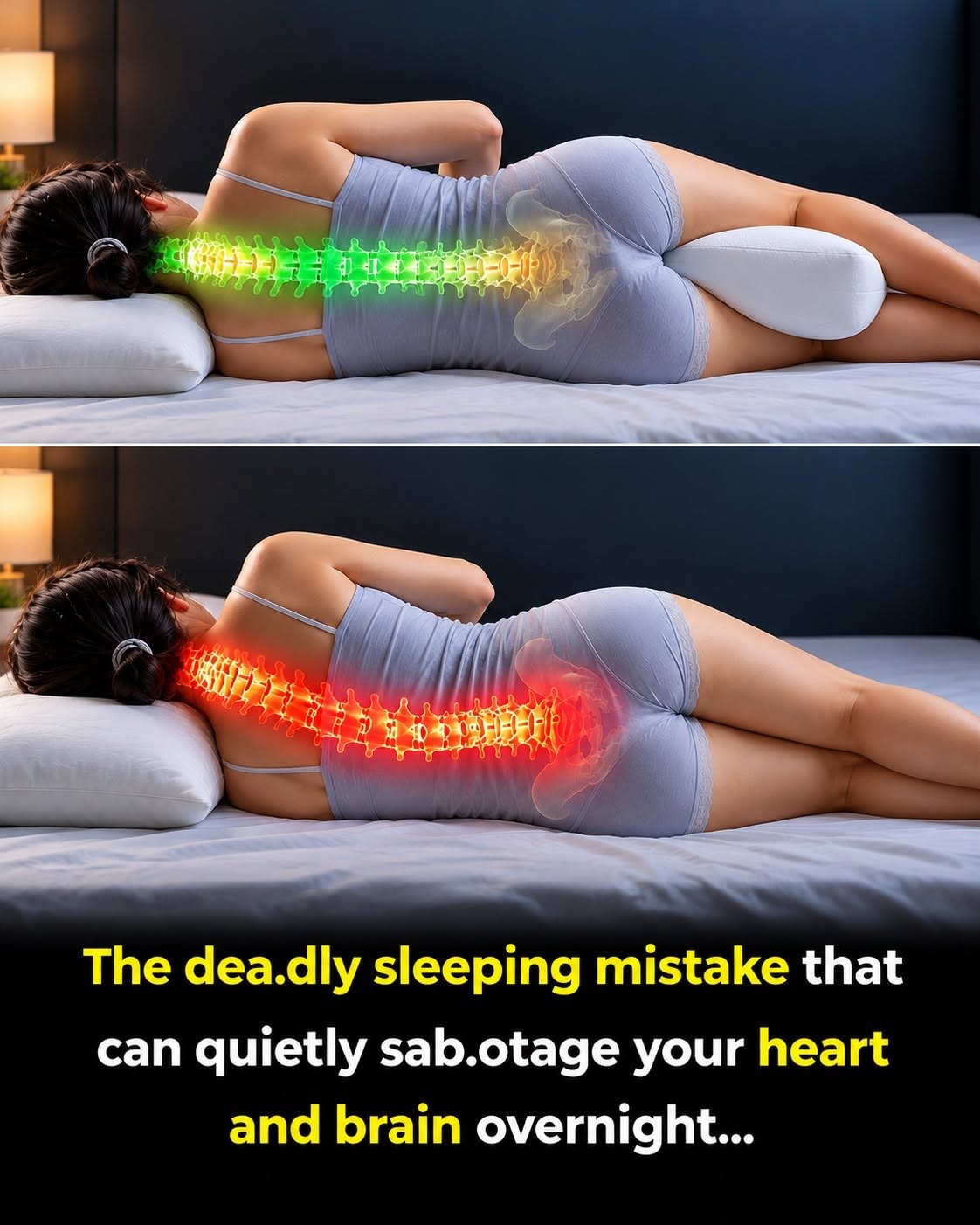

How Sleeping Position and Pillow Support Can Affect Comfort and Spinal Alignment
Every night, millions of people go to bed expecting sleep to be the most restful part of the day. Sleep gives the body and mind time to recover, supports memory and concentration, and helps regulate many essential functions. Yet for many people, morning begins with a stiff neck, sore shoulders, tight hips, or discomfort in the lower back.
These symptoms can have many causes, including daily activity, stress, injury, arthritis, muscle strain, an unsuitable mattress, or an underlying medical condition. However, sleep posture and the way the body is supported during the night may also influence how comfortable a person feels when they wake up.
One commonly discussed adjustment is placing a pillow between the knees while sleeping on the side. This simple approach may help some people feel more supported through the hips and lower back. It is not a universal solution, and it does not treat serious pain or medical conditions. Still, for side sleepers who experience discomfort, it can be a reasonable, low-risk comfort strategy to consider.
Why Sleep Position Can Matter for Morning Comfort
The body does not stop working during sleep. The heart continues circulating blood, the lungs continue exchanging oxygen and carbon dioxide, and the brain moves through different sleep stages. Muscles and other tissues also undergo important recovery processes. Good-quality sleep is associated with physical health, emotional well-being, attention, and daytime performance.
Although people change position naturally throughout the night, they may spend long periods in one posture. If the neck, shoulders, hips, or lower back are held in an awkward position for an extended time, some people may wake with temporary stiffness or soreness. This does not necessarily mean damage has occurred. In many cases, it means the body was not as comfortable or well supported as it could have been.
Comfortable sleep posture generally involves reducing excessive bending, twisting, or pressure at sensitive areas. For example, a side sleeper whose head is pushed too far upward or allowed to drop too low may feel neck discomfort. A person whose upper leg falls forward while sleeping on their side may notice rotation around the pelvis and lower back.
The goal is not to force the spine into a perfectly straight line or to remain completely still. Human bodies are not identical, and there is no single sleeping position that suits everyone. Instead, the aim is to find a position that feels natural, supported, and sustainable throughout the night.
Side Sleeping and the Role of a Knee Pillow
Side sleeping is common, and many people find it comfortable. For some individuals, especially those with occasional lower-back or hip discomfort, the position of the legs can make a difference. When the top knee drops toward the mattress without support, the pelvis may rotate slightly. Some people do not notice this at all, while others may find that it contributes to tension around the hips or lower back.
A small pillow placed between the knees can help keep the legs separated and may reduce this feeling of twisting. The pillow does not need to be large or expensive. A regular soft pillow, a specially shaped knee pillow, or even a folded blanket may provide enough support for some sleepers.
People who want to try this approach can begin with a pillow that is thick enough to keep the knees comfortably apart without forcing the hips too far apart. The knees can remain gently bent, and the pillow should feel stable rather than bulky. If the pillow causes pressure, makes it difficult to turn over, or creates new discomfort, a thinner option may work better.
For pregnant people, side sleeping may become more comfortable with extra support under the abdomen, behind the back, or between the legs. The American College of Obstetricians and Gynecologists notes that sleeping on either side is generally acceptable during pregnancy. Individual concerns, pain, circulation issues, or sleep problems should be discussed with a qualified healthcare professional.
Choosing the Right Head Pillow for Neck Support
The pillow under the head is often just as important as the pillow between the knees. For side sleepers, the head pillow should fill the space between the shoulder and the neck without pushing the head sharply upward or allowing it to sink downward. When the pillow is too high, the neck may remain tilted toward the ceiling. When it is too low, the neck may angle toward the mattress.
Pillow needs vary based on shoulder width, body shape, mattress firmness, and personal preference. A person sleeping on a soft mattress may sink more deeply into the bed and need a lower pillow than someone sleeping on a firmer surface. Materials can also change the feel of support. Memory foam, latex, down alternatives, and adjustable-fill pillows each have different qualities.
There is no universally “best” pillow. A practical test is to assess how the neck feels on waking over several nights. If a person consistently wakes with neck stiffness, headaches linked to neck tension, or shoulder discomfort, adjusting pillow height or firmness may be worth trying. Replacing a pillow that has become flattened, lumpy, or unable to hold its shape can also improve comfort.
Back Sleeping, Stomach Sleeping, and Other Common Positions
Side sleeping is not the only option. Back sleeping can feel comfortable for many people, particularly when the head and neck are supported with a pillow of moderate height. Some back sleepers find that placing a small pillow beneath the knees helps reduce strain or tension in the lower back by allowing the hips and knees to bend slightly.
Stomach sleeping is preferred by some individuals, but it can be challenging for the neck because the head typically needs to turn to one side for breathing. This prolonged rotation may contribute to neck discomfort in certain people. Stomach sleepers may find it helpful to use a very thin head pillow or no head pillow, depending on comfort, while placing a thin pillow under the pelvis or lower abdomen. However, these adjustments may not work for everyone.
People with obstructive sleep apnea, frequent snoring, reflux symptoms, or specific health conditions may receive personalized advice about sleep position from a clinician. For example, side sleeping may help some people with positional obstructive sleep apnea, but it is not a replacement for medical assessment, diagnosis, or prescribed treatment such as continuous positive airway pressure therapy.
Mattress Support and Sleep Environment
A mattress can affect sleep comfort, but the most expensive option is not automatically the right choice. Research on mattresses and back pain is limited, and comfort is highly individual. In general, a mattress that is severely sagging, uneven, or no longer supportive may contribute to poor sleep and discomfort. A mattress that feels excessively firm or too soft may also be unsuitable for some people.
Before replacing a mattress, it may be useful to make smaller changes first. Adjusting pillow height, adding a mattress topper, changing sleep position, or using support under the knees or between the legs may improve comfort. If pain began after an injury or continues despite practical changes, it is important to seek medical advice rather than assuming the mattress is the only issue.
A comfortable sleep environment also includes factors beyond bedding. The Centers for Disease Control and Prevention recommends maintaining healthy sleep habits, such as keeping a consistent sleep schedule, creating a quiet and relaxing bedroom, limiting bright screens before bed, and avoiding large meals, alcohol, and caffeine close to bedtime when they interfere with sleep.
Understanding the Limits of Sleep Posture Advice
Images that use green, yellow, or red colors to show spinal alignment are often intended as simple educational illustrations. They cannot diagnose nerve problems, circulation disorders, heart disease, or brain conditions. A red color in an image does not mean that blood flow is being blocked, and an imperfect sleeping position does not silently cut off blood supply to the heart or brain overnight.
It is important to avoid alarming health claims about ordinary sleep positions. Many people shift naturally during sleep, and occasional morning stiffness is common. Sleep posture adjustments can support comfort, but they should not be presented as a cure for serious medical problems.
Likewise, a knee pillow is not a substitute for clinical care. Persistent or severe pain may require assessment by a doctor, physiotherapist, or other qualified professional. Evidence-based treatment may include guided exercise, physical therapy, medication when appropriate, sleep assessment, or management of an underlying condition.
When Back or Neck Pain Needs Medical Attention
Most episodes of back or neck discomfort improve with time, gentle movement, and appropriate self-care. However, some symptoms need prompt medical evaluation. Seek urgent medical help for back pain associated with new weakness in the legs, loss of bladder or bowel control, numbness around the groin or buttocks, fever, unexplained weight loss, pain after a significant fall or accident, or pain that is severe and worsening.
People should also contact a healthcare professional if pain persists for several weeks, repeatedly disrupts sleep, affects daily activities, or occurs alongside symptoms such as chest pain, shortness of breath, fainting, or unusual neurological changes. These symptoms may have causes unrelated to sleep posture and should not be dismissed.
Simple Steps to Improve Sleep Comfort
For people who are otherwise healthy and want to improve nighttime comfort, gradual experimentation is often more useful than major changes all at once. Consider trying one adjustment for several nights and observing how the body feels in the morning.
- Use a head pillow that keeps the neck in a comfortable, neutral-feeling position.
- If sleeping on the side, try a small pillow or folded blanket between the knees.
- If sleeping on the back, consider a pillow under the knees for added lower-back comfort.
- Check whether the mattress is sagging, uneven, or no longer comfortable.
- Maintain a regular sleep schedule and create a calm, dark, quiet sleeping space.
- Stay physically active during the day when possible, as regular movement can support general musculoskeletal health.
- Consult a healthcare professional if pain is persistent, severe, or accompanied by concerning symptoms.
The Bottom Line on Sleeping With a Pillow Between Your Knees
Sleeping with a pillow between the knees may help some side sleepers feel more comfortable by supporting the legs and reducing rotation through the hips and lower back. It is a simple adjustment that can be worth trying, particularly for people who wake with mild hip, leg, or lower-back stiffness.
However, there is no perfect sleep position for every person, and pillow placement is only one part of healthy sleep. The right setup depends on individual comfort, existing health conditions, mattress characteristics, and personal sleep habits. The most useful approach is to prioritize support, avoid dramatic health claims, and seek professional advice when pain or sleep problems continue.
Sources
- Centers for Disease Control and Prevention: About Sleep and Sleep Health
- National Institute of Neurological Disorders and Stroke: Low Back Pain
- NHS: Back Pain
- Mayo Clinic: Back Pain
- American College of Obstetricians and Gynecologists: Back Pain During Pregnancy
- National Heart, Lung, and Blood Institute: Sleep Apnea
Disclaimer: This content is intended for entertainment purposes only and is not based on real events.