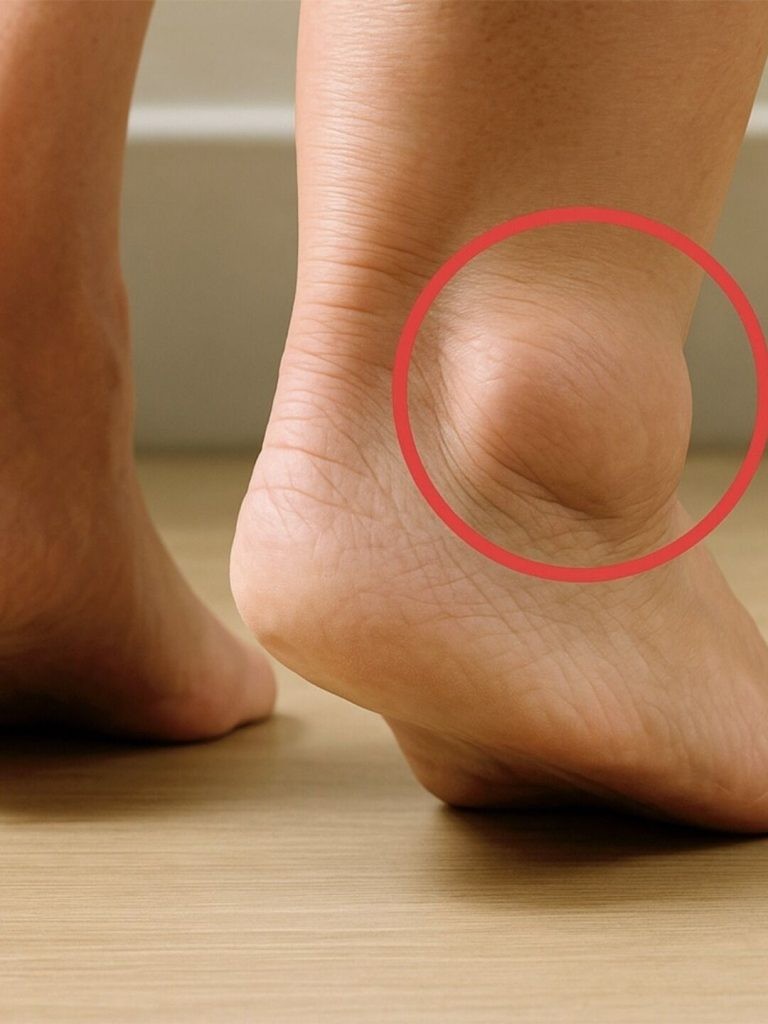

Leg Swelling: Causes, Symptoms, Treatment, and When to Seek Care
Waking up with swollen ankles or noticing that shoes, socks, or trousers feel tighter after a long day can be uncomfortable and concerning. Leg swelling is common, particularly after prolonged sitting, standing, travel, hot weather, or reduced activity. In many cases, it improves with rest and simple self-care. However, persistent, worsening, or sudden swelling can sometimes be a sign of an underlying health issue that needs medical assessment.
Healthcare professionals often use the term peripheral edema to describe swelling caused by extra fluid collecting in body tissues, especially in the feet, ankles, and lower legs. Edema is a symptom rather than a diagnosis. Understanding whether swelling affects one leg or both, when it began, and whether it occurs with other symptoms can help a clinician identify the cause.
This guide explains the common reasons for swollen legs, the symptoms to monitor, practical ways to support circulation, and the warning signs that should never be ignored.
What Is Peripheral Edema?
Peripheral edema occurs when fluid moves out of small blood vessels and accumulates in nearby tissues. Gravity makes the lower legs and ankles especially likely places for this fluid to gather. The swelling may be mild and temporary, or it may become more noticeable over time.
Some people develop what is known as pitting edema. With this type, pressing gently on a swollen ankle or shin may leave a temporary indentation in the skin. Other people may have firmer swelling that does not leave an indentation. These differences can offer useful clinical clues, but only a qualified healthcare professional can determine the cause.
Leg swelling can involve both legs equally, one leg more than the other, or only one leg. Swelling in both legs is often associated with fluid retention, vein problems, certain medications, or conditions affecting the heart, kidneys, or liver. Swelling limited to one leg can have different causes, including injury, infection, or a problem affecting blood flow in that limb.
Common Symptoms of Leg Swelling
The appearance and sensation of edema varies. Some people first notice it at the end of the day, while others experience it after waking or after long periods of inactivity. Common signs include:
- Puffy feet, ankles, calves, or lower legs
- Socks leaving deeper-than-usual marks around the ankles
- Skin that looks stretched, shiny, or tight
- Difficulty putting on shoes, boots, or rings around the ankle
- A heavy, aching, tired, or full sensation in the legs
- Reduced flexibility around the ankle
- A temporary indentation after pressing the swollen skin
Swelling that repeatedly becomes worse late in the day and improves after lying down may be associated with prolonged standing, sitting, or chronic problems in the leg veins. Still, a pattern alone cannot confirm a diagnosis. It is important to consider other symptoms, medical history, and any recent changes in medication or activity.
Everyday Causes of Swollen Legs and Ankles
Not all leg swelling indicates a serious illness. Everyday factors can temporarily affect circulation and fluid balance.
Prolonged Sitting or Standing
Remaining in the same position for many hours can allow fluid to collect in the lower legs. This may happen during desk work, long car journeys, air travel, or shifts that require standing. The calf muscles normally help pump blood back toward the heart when a person walks. When those muscles are inactive, this pumping action is reduced.
Hot Weather
Warm temperatures can cause blood vessels near the skin to widen. This is part of the body’s effort to release heat, but it can also make it easier for fluid to move into surrounding tissues. Mild heat-related ankle swelling is often temporary, although it should still be discussed with a clinician if it is frequent, substantial, or accompanied by other symptoms.
High Sodium Intake
Sodium is essential for normal body function, but consuming large amounts of salty or highly processed foods may contribute to fluid retention in some people. Individual responses vary, particularly among people with high blood pressure, heart disease, kidney disease, or other medical conditions. Reducing excess dietary sodium can be helpful, but anyone with a diagnosed condition should follow individualized advice from their healthcare team.
Pregnancy
Mild swelling in the feet and ankles is common during pregnancy, especially later in pregnancy, because of hormonal changes, increased blood volume, and pressure from the growing uterus. However, sudden swelling of the face, hands, or feet during pregnancy, particularly with severe headache, vision changes, upper abdominal pain, or feeling unwell, requires urgent medical advice. These symptoms can be associated with serious pregnancy complications that need prompt evaluation.
Medical Conditions That Can Cause Leg Swelling
Persistent edema may be linked to a range of health conditions. A medical professional may consider the following possibilities based on the location of swelling, accompanying symptoms, examination findings, and test results.
Chronic Venous Insufficiency
Chronic venous insufficiency occurs when leg veins have difficulty returning blood efficiently to the heart. Veins contain valves that help prevent blood from flowing backward. When these valves are weakened or damaged, blood can pool in the lower legs, increasing pressure in the veins and contributing to swelling.
Symptoms may include aching, heaviness, visible varicose veins, skin discoloration around the ankles, itching, or swelling that worsens after standing. Treatment may include movement, leg elevation, weight management where appropriate, and medically recommended compression therapy. A clinician may also assess whether specialist vascular care is needed.
Heart Failure and Other Heart Conditions
Heart failure does not mean the heart has stopped working. It means the heart is not pumping blood as effectively as it should. This can lead to fluid buildup, often in the legs, ankles, abdomen, or lungs. Swelling associated with heart problems may occur alongside shortness of breath, reduced exercise tolerance, rapid weight changes, fatigue, or needing extra pillows to sleep comfortably.
Because symptoms can overlap with many other conditions, leg swelling alone does not establish a heart diagnosis. But new or increasing swelling, especially when paired with breathing changes, should be reviewed promptly by a healthcare professional.
Kidney Disease
The kidneys help regulate fluid, salt, and waste products in the body. When kidney function is impaired, the body may retain extra fluid. Swelling can occur in the legs and ankles and may also affect the face or hands. Kidney disease may not cause obvious symptoms in its early stages, which is why blood pressure checks and routine testing can be important for people at increased risk.
Liver Disease
Severe liver disease can alter the balance of proteins and fluids in the body and may contribute to swelling in the legs or abdomen. Liver-related edema requires professional evaluation, particularly if it is accompanied by abdominal enlargement, yellowing of the skin or eyes, confusion, unusual bruising, or marked fatigue.
Lymphedema
Lymphedema develops when the lymphatic system cannot adequately drain lymph fluid from tissues. It may affect one or both limbs and can occur after certain cancer treatments, surgery, radiation therapy, infections, injury, or because of an inherited condition. The swelling can feel firm, may involve the toes or foot, and may not improve fully with elevation.
Early assessment matters because tailored management, including specialist-guided compression, skin care, exercise, and lymphatic therapy, may help control symptoms and reduce complications.
Medication-Related Swelling
Some medicines can contribute to ankle or leg swelling as a side effect. Examples may include certain blood pressure medicines, anti-inflammatory medicines, steroid medicines, hormone treatments, and some diabetes medications. Do not stop a prescribed medicine without speaking to the clinician who prescribed it. A healthcare professional can review whether the medication is likely to be involved and discuss safer alternatives or adjustments when appropriate.
When One Swollen Leg Needs Urgent Medical Attention
Sudden swelling in one leg deserves prompt medical assessment, especially if it is accompanied by pain, tenderness, warmth, redness, or a noticeable change in skin color. These symptoms can sometimes occur with a deep vein thrombosis, commonly called DVT, which is a blood clot in a deep vein. DVT is treatable, but it requires timely diagnosis because a clot can lead to serious complications.
Risk factors for DVT can include recent surgery, hospitalization, prolonged immobility, long-distance travel, pregnancy and the period after childbirth, smoking, certain hormone medicines, cancer, previous blood clots, and inherited clotting disorders. However, blood clots can occur without an obvious risk factor, so symptoms should not be dismissed.
Emergency Warning Signs: When to Call Emergency Services
Seek emergency medical help immediately if leg swelling occurs with chest pain, sudden shortness of breath, coughing up blood, fainting, severe dizziness, confusion, or a rapid deterioration in your condition. These symptoms can indicate a potentially life-threatening emergency and should not be managed at home.
Urgent evaluation is also appropriate for a leg that becomes suddenly very swollen, severely painful, cold, pale, blue, numb, or difficult to move. People who are pregnant should seek urgent advice for sudden or substantial swelling with headache, visual changes, severe pain below the ribs, or feeling seriously unwell.
Safe Self-Care Steps for Mild Leg Swelling
If swelling is mild, familiar, and not accompanied by warning signs, several measures may support comfort and circulation. These steps do not replace medical care for persistent or unexplained edema.
- Move regularly: Take brief walking breaks, flex and extend the ankles, or perform gentle calf movements after sitting for long periods.
- Elevate the legs: Resting with the legs raised may help reduce gravity-related fluid buildup. Aim to do this comfortably and avoid positions that cause pain.
- Choose comfortable footwear: Shoes that do not constrict the feet or ankles can reduce discomfort.
- Limit excess sodium: Focus on fresh foods and check labels on packaged meals, snacks, sauces, and cured foods.
- Stay physically active: Regular activity supports circulation, heart health, and overall wellbeing. Choose an activity suited to your health status.
- Maintain skin care: Keep swollen skin clean and moisturized, and check for cuts, cracks, or signs of infection.
Compression stockings may be useful for some people with vein-related swelling or during travel, but they are not appropriate for everyone. People with peripheral artery disease, certain heart conditions, skin problems, or unexplained swelling should seek medical guidance before using compression garments. Proper fit and compression level matter.
How Doctors Evaluate Persistent Leg Swelling
A clinician will usually ask when the swelling started, whether it affects one or both legs, what makes it better or worse, and whether there are symptoms such as pain, breathlessness, fever, skin changes, or weight gain. They may review your medical history, recent travel, surgery, pregnancy status, activity level, and medications.
Depending on the situation, tests may include blood pressure measurement, blood and urine tests to assess kidney, liver, thyroid, or heart-related factors, an electrocardiogram, chest imaging, or an ultrasound scan of the leg veins. An ultrasound is commonly used when a blood clot is a concern because it can assess blood flow in the veins without surgery.
Treatment depends on the underlying cause. It may involve addressing vein disease, adjusting medicines, treating heart or kidney conditions, managing lymphedema, or using diuretics in carefully selected cases. Diuretics, sometimes called water tablets, should only be used under medical supervision because they can affect blood pressure, electrolytes, and kidney function.
When to Arrange a Routine Medical Appointment
Make an appointment with a doctor or qualified healthcare professional if leg swelling lasts more than a few days, keeps returning, is getting worse, affects daily activities, or does not improve with simple measures such as movement and elevation. Assessment is also advisable if swelling is associated with skin discoloration, ulcers, varicose veins, unexplained weight gain, fatigue, or changes in urination.
Keeping a brief record can be helpful. Note when swelling occurs, whether it affects one or both legs, recent dietary or medication changes, your activity level, and any symptoms that occur at the same time. This information can help make a clinical evaluation more efficient and accurate.
The Bottom Line on Swollen Legs
Leg swelling is often related to everyday factors such as heat, inactivity, travel, or standing for long periods. Yet it can also be an important signal of problems involving the veins, heart, kidneys, liver, lymphatic system, or medication side effects. The key is to pay attention to changes in timing, severity, and accompanying symptoms.
Mild swelling may respond to movement, elevation, sensible sodium intake, and clinician-approved compression. Sudden one-sided swelling, severe pain, chest discomfort, or breathing difficulty requires urgent medical attention. When in doubt, it is safer to seek professional advice than to assume persistent edema is harmless.
Sources
Disclaimer: This content is intended for entertainment purposes only and is not based on real events.