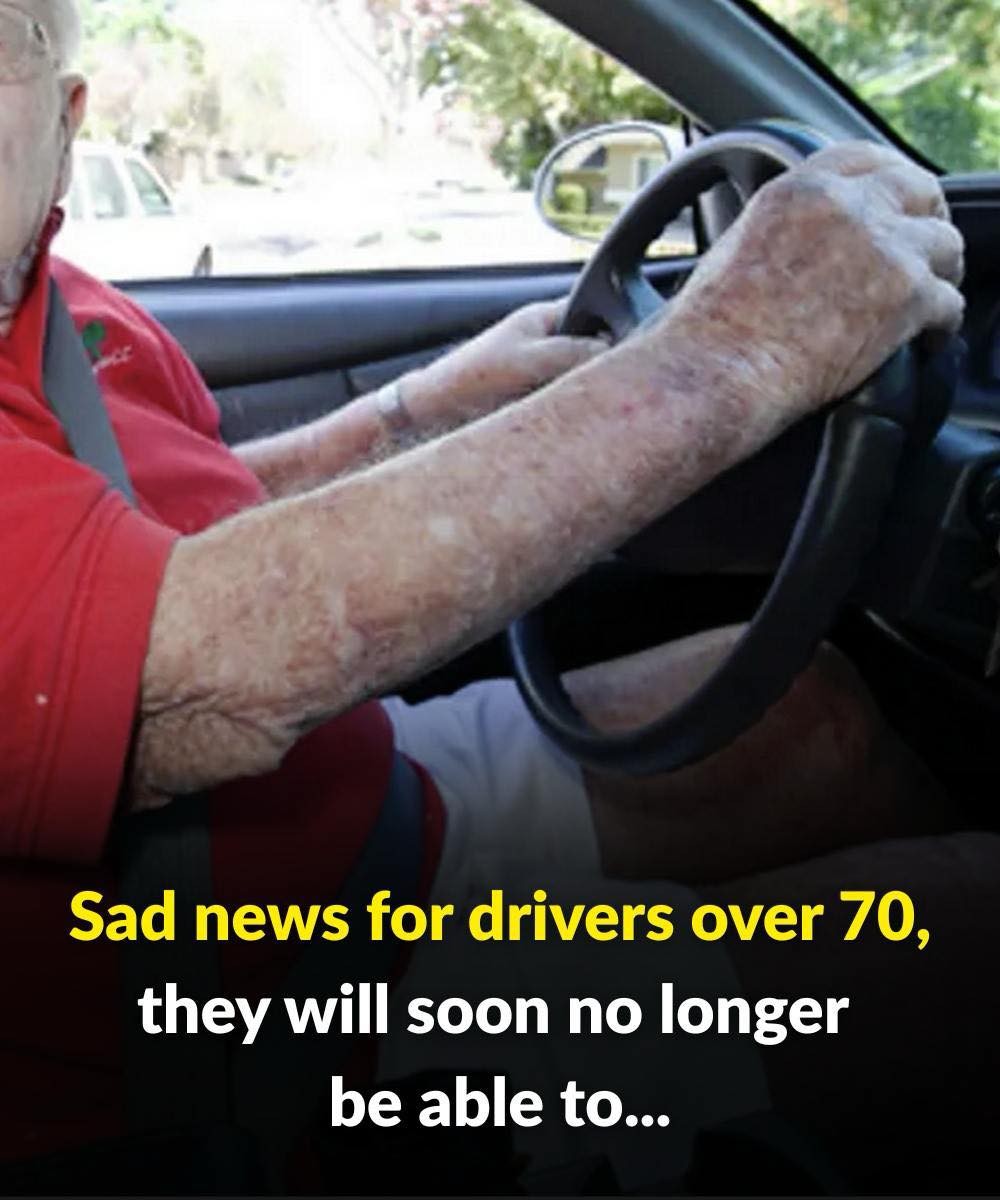

Driving after 75: a benefit or a risk?
Older drivers are often at the centre of an important road-safety debate: should people be required to undergo checks after a certain age, or should driving decisions remain based on individual ability rather than a date of birth? The evidence suggests that there is no simple age at which a person automatically becomes unsafe behind the wheel. However, changes in health, confidence, mobility and driving conditions can make regular self-assessment increasingly important.
A serious road collision in La Rochelle involving an elderly driver and a group of young cyclists renewed public discussion in France about the safety of older motorists. Such incidents are deeply concerning, particularly when children are injured, but road-safety specialists caution against drawing broad conclusions about an entire age group from one event. Crashes are usually the result of several factors, including road design, traffic conditions, health, attention, vehicle speed and decision-making.
The central question is therefore not whether every person over 75 should stop driving. It is whether drivers, families, doctors and public authorities have the right tools to identify when someone’s abilities have changed enough to make driving more difficult or hazardous.
Why driving matters to many people over 75
For many older adults, a driving licence represents more than a practical means of travel. It can support independence, access to shops and medical appointments, social connections, voluntary work and family life. This is especially true in rural areas and smaller towns where public transport may be limited, infrequent or inaccessible.
Research on ageing and mobility has repeatedly found that losing the ability to drive can contribute to isolation, reduced participation in community life and difficulty attending essential appointments. For this reason, decisions about driving should be handled with respect and should focus on a person’s actual capacity, rather than assumptions about age alone.
At the same time, driving is a complex activity. It requires clear vision, adequate hearing, strength, coordination, concentration, judgement and the ability to respond to unexpected situations. These abilities vary substantially between individuals. Some people remain capable drivers well into later life, while others may need to change their driving habits or consider alternatives earlier.
Are drivers over 75 at greater risk?
Road-safety data must be interpreted carefully. Older drivers are not a uniform group, and figures can look very different depending on whether analysts measure the number of crashes, distance travelled, injuries or fatalities. Many people drive fewer kilometres as they age, avoid driving at night or in bad weather, and make fewer long-distance journeys. These choices can reduce exposure to risk.
However, official road-safety research in France and other countries shows that risk can rise again at advanced ages, particularly for serious outcomes. Older people are physically more vulnerable in a collision, meaning an impact that might cause a minor injury to a younger person can have more severe consequences for an older adult. This increased fragility affects drivers, passengers, cyclists and pedestrians alike.
Studies also show that certain types of driving situations may become more challenging with age. These can include turning across traffic, navigating complex junctions, judging the speed of approaching vehicles, coping with glare, merging onto fast roads and reacting quickly to sudden changes in traffic. These difficulties do not affect everyone, but they are well-recognised areas for attention.
Comparisons between older drivers and younger drivers should also avoid oversimplification. Younger motorists may face elevated risks linked to inexperience, distraction or risk-taking, while older motorists may be more affected by health conditions and reduced physical or sensory function. Effective road safety policy needs to address the distinct risks faced by each group.
How ageing can affect driving ability
Ageing itself is not a medical diagnosis. Nevertheless, some physical and cognitive changes become more common over time and may affect driving. Vision is one important example. Conditions such as cataracts, glaucoma and age-related macular degeneration can reduce visual clarity, peripheral vision or contrast sensitivity. Glare from headlights and low sun can also become more difficult to manage.
Reaction times may become slower for some people, especially when they are tired, unwell or taking medication. Reduced neck, shoulder or joint mobility can make it harder to check mirrors and blind spots. Hearing changes may affect awareness of sirens, horns or other traffic signals, although hearing loss alone does not necessarily make someone unfit to drive.
Some neurological conditions can affect memory, attention, orientation or judgement. Mild cognitive changes do not automatically mean a person must stop driving, but confusion about familiar routes, difficulty following road signs, repeated near-misses or getting lost may warrant a professional assessment. The same applies to medical conditions such as stroke, Parkinson’s disease, diabetes with severe hypoglycaemia, sleep disorders or heart problems that may cause fainting.
Medication is another important consideration. Some prescription and over-the-counter medicines can cause drowsiness, blurred vision, dizziness or slowed responses. The French road-safety system uses warning pictograms on medicines that may affect driving. People taking a new treatment, changing dosage or combining several medicines should ask a doctor or pharmacist whether it is safe to drive.
French driving licence rules for older motorists
In France, the standard category B driving licence for private cars is generally valid without an age-based expiry date. There is no routine mandatory medical examination or driving test solely because a motorist has reached 75, 80 or another age. A person may continue to drive as long as they remain medically and legally fit to do so.
Medical checks can nevertheless be required in specific circumstances. These may include certain health conditions, professional driving roles, licence restrictions, court decisions or situations involving impaired driving. French authorities also provide information about medical fitness to drive and the role of approved doctors when an assessment is needed.
This approach reflects an individualised principle: fitness to drive should be determined by capability, not age alone. Supporters argue that a compulsory test for every older driver could unfairly penalise healthy people. Critics argue that voluntary self-assessment may not always identify gradual decline, especially when driving remains an essential part of daily life.
The discussion is not unique to France. European countries use different systems. Some require periodic licence renewal or health declarations after a certain age, while others rely mainly on medical reporting and individual responsibility. There is no single international model that has eliminated road risk, and experts often stress that better road design, accessible transport and education are as important as licence rules.
Warning signs that deserve attention
Most older drivers can make practical adjustments before giving up driving completely. Still, certain warning signs should not be ignored. These include repeated scrapes or minor collisions, frequent close calls, difficulty reading signs, confusion at familiar junctions, missing traffic lights, receiving repeated warnings from passengers, or feeling anxious during routine journeys.
Other signals may include getting lost on well-known routes, braking suddenly for no clear reason, driving too slowly for traffic conditions, trouble staying in the correct lane, or failing to notice cyclists and pedestrians. A single mistake does not always indicate a lasting problem, but patterns matter. Honest reflection and early action can protect the driver and others on the road.
Families can play a constructive role, although conversations about driving are often sensitive. A respectful discussion should focus on observed behaviour and safety rather than blame. It may help to raise specific concerns, such as difficulty with night driving or a recent medication change, and to discuss practical alternatives rather than demanding an immediate end to driving.
Practical steps for safer driving after 75
There are several evidence-informed ways for older adults to maintain safer mobility. Regular eye examinations are essential, particularly when vision seems to have changed. Drivers should ensure that glasses prescriptions are current and that their vehicle mirrors, seat position and lighting are properly adjusted.
A review of medicines with a doctor or pharmacist can identify treatments that may interfere with alertness or coordination. It is also sensible to discuss any recent falls, blackouts, memory concerns or changes in health with a healthcare professional. When necessary, a doctor can advise on whether further assessment is appropriate.
Drivers can also adapt their routines. Avoiding driving at night, during heavy rain, in rush-hour traffic or on unfamiliar high-speed roads may reduce stress and risk. Planning routes in advance, allowing extra time and taking breaks on longer journeys can make driving more manageable. Some people choose to limit trips to familiar local routes, which can be a reasonable short-term adjustment when combined with ongoing self-monitoring.
Refresher courses may be useful for drivers who want to update their knowledge of road rules, roundabouts, road markings and new vehicle technology. These programmes should be viewed as supportive education rather than punishment. They can help people identify areas where extra practice or a change in habits would be beneficial.
Beyond individual drivers: the role of safer communities
Road safety is not solely the responsibility of individual motorists. Communities can help older people remain mobile without depending entirely on a car. Reliable buses, community transport, safe walking routes, affordable taxis and accessible railway services can reduce the difficult choice between driving when one no longer feels confident and becoming isolated at home.
Safer street design also benefits everyone. Clear signs, well-maintained road markings, protected cycle lanes, pedestrian crossings, good lighting and junctions designed to reduce conflict can make travel safer for children, older adults, cyclists and drivers of all ages. The La Rochelle incident also underlines why protecting vulnerable road users must remain a priority in transport planning.
Vehicle safety technology can provide additional assistance, although it is not a substitute for an attentive driver. Features such as automatic emergency braking, parking sensors, blind-spot alerts and lane-departure warnings may help in particular situations. Drivers should understand how these systems work and recognise their limitations.
Should there be mandatory tests after a certain age?
The debate over mandatory testing is likely to continue. Those in favour believe periodic screening could identify vision, cognitive or health concerns before a serious crash occurs. Those opposed point out that age thresholds can be arbitrary and that tests may not accurately predict real-world driving behaviour. They also warn that removing licences without viable transport alternatives can have serious social consequences.
A balanced approach may involve promoting regular health reviews, voluntary driving assessments, stronger public information on medication and vision, and better support for people transitioning away from driving. Any policy should be based on transparent evidence and should avoid treating older adults as a single category.
Ultimately, safe driving after 75 depends on the individual. Age can be a prompt for more frequent reflection, but it should not be used as an automatic verdict. By recognising changes early, seeking medical advice when needed and planning alternative transport before a crisis occurs, older adults can make informed decisions that preserve both dignity and public safety.
Sources
- French Road Safety (Sécurité routière)
- French National Interministerial Road Safety Observatory (ONISR)
- Service-Public.fr: medical fitness and driving licence information
- World Health Organization: Road traffic injuries
- Centers for Disease Control and Prevention: Older Adult Drivers
- National Highway Traffic Safety Administration: Older Drivers
Disclaimer: This content is intended for entertainment purposes only and is not based on real events.
