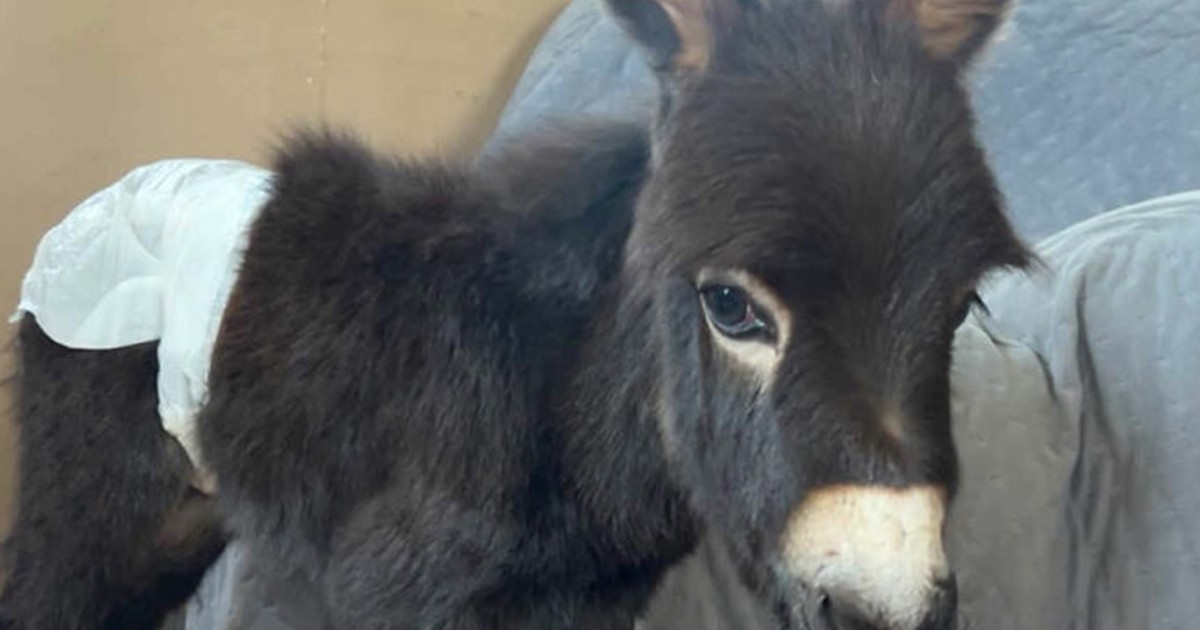

A Search for a Missing Child in Georgia Ends Tragically with Police Shooting a Donkey
In late August, a troubling incident in Rockmart, Georgia, has sparked considerable emotion and debate, following the shooting of a beloved donkey during a police search for a missing child. The event has led to questions about police procedures, animal welfare, and property rights, as well as ongoing investigations and legal considerations. As details continue to emerge, the incident stands as a poignant reminder of the complex interactions between law enforcement and local communities.
The Incident at Elsberry Riding & Farm
On August 30, 2023, the Elsberry Riding & Farm was at the center of a high-stakes police search for a missing 12-year-old girl. During this search, officers entered the property’s pasture in the early morning hours, reportedly without the owner’s permission. The farm’s owner, Hannah Israel, was devastated to discover that her donkey, affectionately known as HeeHaw, had been shot and killed by a police officer on the premises.
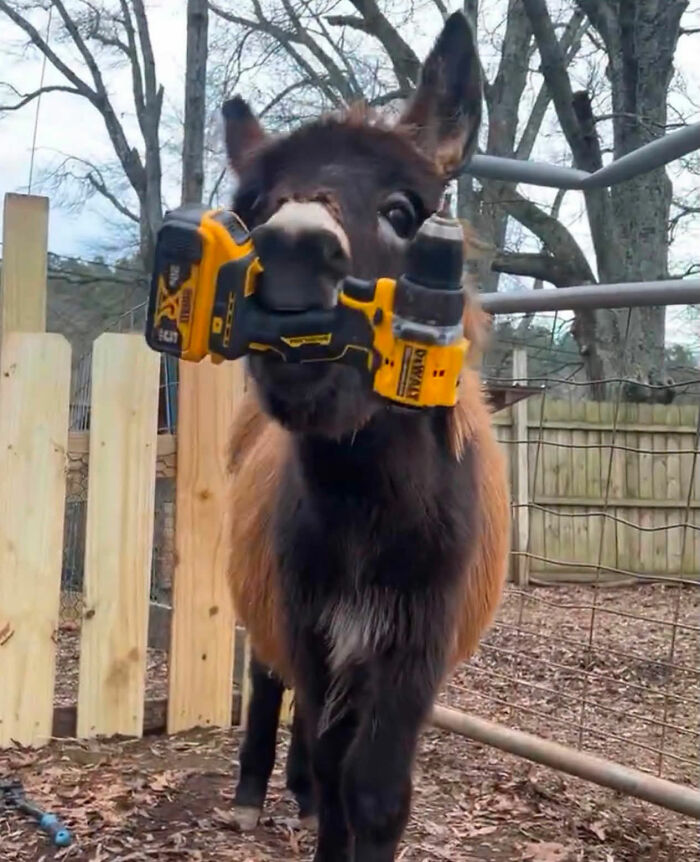
HeeHaw was more than just a farm animal; he was a cherished part of the family. Raised by Hannah as a “bottle baby donkey,” HeeHaw had become a locally known figure, regularly visiting petting zoos and bringing joy to children and visitors. His death has left the Israel family grieving and searching for answers.
Details of the Shooting and Police Response
According to a Facebook statement from Elsberry Riding & Farm, law enforcement officers entered the pasture at around 12:45 a.m. HeeHaw reportedly approached the officers, braying. In response, officers allegedly attempted to subdue the animal with a Taser and ultimately resorted to the fatal shot. The police have not publicly released the officer’s identity or fully explained what led them to consider the donkey a threat.
The Polk County Sheriff’s Office clarified their agency was not involved. Instead, the incident involved officers from both the Polk County Police Department and the Cedartown Police Department. In a statement, the Polk County Sheriff’s Office expressed condolences to all affected, emphasizing the sadness and concern surrounding the event.
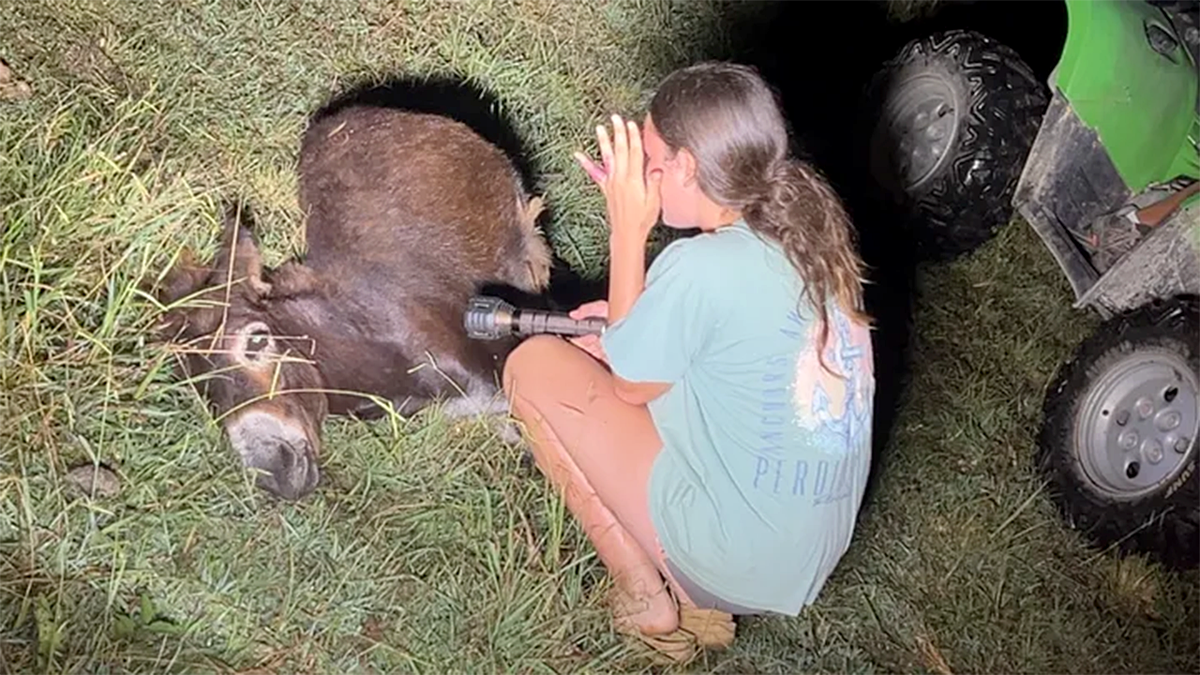
The lack of immediate information and guidance from officers after the shooting compounded the family’s frustration. Hannah reported it took approximately 20 minutes to locate HeeHaw’s body, as officers did not assist her family in finding where the donkey was shot.
Following the incident, Hannah Israel retained legal counsel and is considering a civil lawsuit regarding HeeHaw’s death and the actions of law enforcement on her property.
Law Enforcement’s Perspective
From the perspective of law enforcement, the priority during the incident was locating the missing child. Cedartown Police Chief Jamie Newsome confirmed that his officers were involved in the search and regretted the tragic outcome. “During that search, it is with a heavy heart that I report a Cedartown Police officer shot and killed a donkey in its own pasture,” Newsome said in a statement.
Police indicated that the missing child was found safely not long after the donkey’s shooting, in an area near the pasture. The specifics of the encounter that led to HeeHaw being shot remain the subject of an ongoing investigation. The Georgia Department of Agriculture’s Law Enforcement Division has taken over the review to ensure independent oversight and expertise.
While the officer involved has been placed on administrative leave, the City of Cedartown has stated it will not release further information until the investigation concludes. The use of force on the animal raises questions about appropriate responses when encountering animals during emergency situations, a topic that continues to prompt debate nationally and locally.
Understanding Law Enforcement Protocol in Rural Areas
Law enforcement often faces unique challenges when searching rural properties, especially late at night and under urgent circumstances. Protocols generally require officers to secure permission to enter private land whenever possible, but emergency situations—such as a missing child—may allow for exceptions. However, animal encounters can spotlight the need for better training and preparedness, particularly in recognizing behavioral cues and utilizing non-lethal interventions.
In this case, the attempt to use a Taser before resorting to shooting indicates an effort to manage the situation with minimal harm, though the outcome was ultimately tragic. Experts in animal behavior stress that donkeys are usually not aggressive, and could approach with curiosity or to protect their territory. This emphasizes the importance of animal awareness in police training, especially in rural communities where farm animals are common.
Community Impact and Public Reactions
The death of HeeHaw has resonated deeply in the Rockmart community and beyond. Local residents and animal welfare advocates have expressed their sympathy for the Israel family, and many have raised questions about the incident’s necessity and the lack of communication from officers. The incident has also prompted discussions on social media platforms, with calls for legislative action to protect animals during police operations.
A GoFundMe campaign was established to help cover legal costs and support the Israel family during this difficult time. The fundraiser’s organizer noted the significant role HeeHaw played in petting zoos and local community events, highlighting the widespread affection for the donkey.
Emotional reactions to the incident underscore the bond between people and their animals, especially in rural settings where animals often serve as companions and family members. Mental health experts highlight the importance of acknowledging grief following the loss of a cherished pet and encourage affected families to seek support.
Legal Considerations and Ongoing Investigation
As the Israel family prepares for possible legal proceedings, several key legal issues may be examined, including officers’ entry onto private property, the use of force against animals, and transparency in communication following a critical incident. Civil lawsuits related to animal deaths caused by law enforcement are rare, but they can result in policy changes and improved training if negligence or violations of protocol are found.
The investigation by the Georgia Department of Agriculture’s Law Enforcement Division is expected to focus on reconstructing the timeline, gathering witness statements, and evaluating whether proper procedures were followed. Animal welfare organizations are monitoring the case, advocating for clearer guidelines to prevent similar tragedies in future operations.
This incident also brings attention to state and local laws regarding animal protection and property rights. Georgia’s statutes provide some protections for animals but leave room for interpretation in emergency law enforcement situations.
Broader Societal Implications
Nationally, incidents involving police use of force against animals have sparked conversation about reform and education. Organizations such as the Humane Society and the American Veterinary Medical Association argue for mandatory animal behavior training for police officers, particularly those serving rural areas. Proper training can lessen the likelihood of misunderstandings and prevent unnecessary harm to animals during routine or emergency calls.
International perspectives further reinforce the need for humane and practical approaches in managing animal encounters. In countries with robust animal welfare laws, law enforcement agencies are required to use non-lethal interventions and are often trained to recognize animal behavior, minimizing tragic outcomes. The Georgia case may serve as a catalyst for similar advancements in policy and protocol in the United States.
Public trust in law enforcement is also influenced by transparency and accountability. Prompt investigations, clear communication, and third-party oversight are essential in restoring confidence after controversial incidents, particularly when they involve vulnerable populations or beloved animals.
The Human Perspective: Grieving and Seeking Justice
For Hannah Israel and her family, the loss of HeeHaw is felt deeply and personally. Having bottle-raised the donkey from infancy, Hannah recalls the many moments HeeHaw brought smiles to children and adults alike. As the investigation continues, the family faces the emotional challenge of mourning a beloved companion while seeking answers and justice.
The story of HeeHaw’s death is a testament to the emotional complexity of rural living, where animals are frequently regarded as family members. It also highlights the importance of communication and collaboration between law enforcement and community members during emergency situations.
Whether the outcome of the case leads to new policies or increased training, the impact of HeeHaw’s story is likely to be felt for years to come.
Looking Ahead: Recommendations and Preventive Strategies
As communities and law enforcement agencies reflect on this incident, experts recommend several strategies to prevent similar tragedies:
- Increased animal behavior training for officers, with emphasis on rural and farm environments.
- Clear protocols for entering private property during emergency searches, prioritizing communication with owners when feasible.
- Implementation of non-lethal tools and tactics for animal encounters, including use of animal control officers or veterinarians when available.
- Encouragement of community dialogue to build trust and improve mutual understanding between law enforcement and rural residents.
- Independent investigations and transparent reporting following incidents involving animals.
By incorporating these recommendations, both police and community members can work toward a safer and more compassionate future, where emergency operations are conducted with respect for people, property, and animals alike.
Conclusion
The tragic shooting of HeeHaw during a search for a missing child in Georgia has raised important questions about law enforcement practices, animal welfare, and community relations. As investigations continue and the Israel family copes with the loss, the incident stands as a catalyst for change and dialogue in how police and rural communities interact. The outcome of ongoing reviews and legal considerations may influence future protocols and training, ensuring that similar tragedies are prevented and that families and communities feel respected and protected.
Sources
- Reuters
- BBC News
- The Guardian
- Al Jazeera
- Fox 5 Atlanta
- CBS News
- Atlanta Journal-Constitution
- Humane Society
Disclaimer: This content is intended for entertainment purposes only and is not based on real events.
