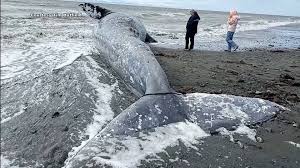

Imagine standing on a quiet shoreline just before sunrise. The ocean stretches endlessly toward the horizon, and suddenly a whale surfaces, sending a graceful spray of water into the air before disappearing beneath the waves. For a brief moment, you witness one of nature’s most remarkable animals—a creature that has traveled the world’s oceans for millions of years.
Whales are among the largest and most intelligent animals on Earth. Beyond their impressive size, they play an essential role in maintaining healthy marine ecosystems. They help recycle nutrients, support ocean food webs, and even contribute to the planet’s natural carbon cycle.
Despite decades of conservation progress, many whale species continue to face significant challenges, including pollution, habitat changes, vessel collisions, fishing gear entanglement, and climate-related environmental shifts. Fortunately, governments, scientists, conservation organizations, businesses, and individuals all have opportunities to make a positive difference.
This guide explores why whales matter, the challenges they face, and 15 practical ways to help protect whales while highlighting both scientific research and the cultural importance these magnificent marine mammals have held throughout human history.
Why Whales Are Important
Throughout history, whales have inspired stories, traditions, and artwork across cultures around the world.
Many coastal communities have viewed whales as symbols of wisdom, endurance, and the deep connection between people and the sea. Indigenous cultures in several regions have long respected whales as important parts of marine ecosystems and cultural heritage.
Modern science has expanded our understanding even further.
Researchers now recognize whales as important contributors to healthy oceans through natural ecological processes.
Some benefits include:
Supporting nutrient circulation
Helping sustain marine food webs
Contributing to ocean biodiversity
Supporting healthy fisheries through balanced ecosystems
Helping store carbon throughout their lifetimes
Healthy whale populations benefit not only marine life but also the broader environment.

The Current State of Whale Conservation
Conservation efforts over recent decades have achieved encouraging progress for several whale populations.
The International Whaling Commission’s commercial whaling moratorium, introduced in 1986, contributed to the recovery of certain species that had experienced major historical declines.
However, not all whale populations have recovered equally.
According to the International Union for Conservation of Nature (IUCN), several whale species remain threatened, while others continue to face ongoing environmental pressures.
Scientists emphasize that successful conservation requires continued international cooperation and long-term monitoring.
Major Threats Facing Whales Today
1. Fishing Gear Entanglement
One of the leading risks for many whale species is accidental entanglement in fishing equipment.
Ropes, nets, and other gear can interfere with movement and feeding, making this an important conservation challenge.
2. Vessel Collisions
As global shipping increases, whales and large vessels sometimes occupy the same waters.
Reducing ship speeds in key habitats has proven effective in lowering collision risks.
3. Ocean Noise
Whales rely heavily on sound for communication, navigation, and locating food.
Noise from commercial shipping, underwater construction, and scientific surveys can interfere with these natural behaviors.
4. Climate Change
Changing ocean temperatures may alter migration routes and affect the availability of important food sources.
Scientists continue studying how different whale populations adapt to these environmental changes.
5. Marine Pollution
Plastic debris, chemical pollutants, and marine litter can affect ocean ecosystems that whales depend upon.
Reducing pollution benefits countless marine species.
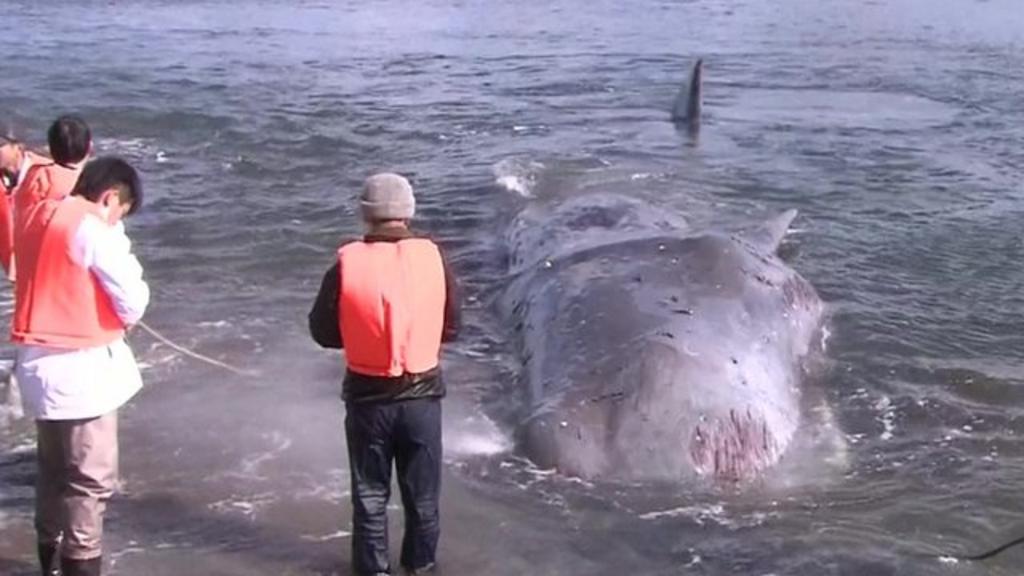
15 Effective Ways to Protect Whales
1. Support Marine Protected Areas
Marine Protected Areas (MPAs) create safer environments where whales can feed, migrate, and raise their young with reduced human disturbance.
Expanding well-managed protected areas remains one of the most effective conservation tools.
2. Reduce Plastic Waste
Choosing reusable bottles, shopping bags, and food containers helps reduce plastic entering rivers and oceans.
Small everyday decisions collectively have a significant impact.
3. Choose Sustainable Seafood
Consumers can support fisheries that use responsible harvesting methods and work to reduce impacts on marine wildlife.
Many independent seafood guides help shoppers make informed choices.
4. Practice Responsible Whale Watching
Whale watching creates economic incentives for conservation while allowing people to appreciate marine wildlife.
Choose operators that follow established wildlife viewing guidelines and maintain appropriate distances.
5. Reduce Your Carbon Footprint
Actions such as conserving energy, using public transportation, and supporting renewable energy contribute to healthier oceans over the long term.
Climate stability benefits marine ecosystems worldwide.
6. Support Conservation Organizations
Many nonprofit organizations conduct scientific research, rescue operations, public education, and habitat restoration.
Donations, volunteering, or simply sharing reliable educational resources can strengthen these efforts.
7. Learn About Whales
Education is the foundation of conservation.
Understanding whale biology, migration, communication, and ecology encourages informed decision-making.
Museums, documentaries, aquariums, and educational websites provide valuable learning opportunities.
8. Participate in Beach Cleanups
Community cleanup events remove litter before it reaches deeper ocean habitats.
These activities also raise awareness about marine pollution.
9. Properly Dispose of Household Waste
Chemicals, paints, oils, and hazardous materials should always be disposed of according to local regulations.
Keeping waterways clean helps protect marine ecosystems.
10. Support Scientific Research
Whale conservation depends on reliable scientific information.
Researchers use satellite tracking, photo identification, acoustic monitoring, and drone technology to better understand whale populations.
Supporting science helps improve conservation strategies.
11. Encourage Ocean Education
Sharing accurate information with children, students, and community groups helps build future generations of ocean stewards.
Educational programs inspire long-term conservation efforts.
12. Advocate for Ocean Conservation
Citizens can support marine conservation by participating in public discussions, contacting elected representatives, and encouraging evidence-based environmental policies.
Constructive civic engagement strengthens conservation initiatives.
13. Respect Wildlife Habitats
Whether boating, kayaking, or visiting coastal areas, respecting wildlife viewing guidelines minimizes unnecessary disturbance.
Giving whales plenty of space supports their natural behavior.
14. Reduce Marine Debris
Beyond avoiding single-use plastics, individuals can help by recycling properly, securing trash during outdoor activities, and encouraging responsible waste management.
Cleaner oceans benefit every marine species.
15. Share Reliable Information
Social media offers powerful opportunities to spread accurate conservation information.
Sharing reputable scientific resources helps counter misinformation while encouraging positive action.
Technology Is Helping Protect Whales
Innovation has become an important part of modern conservation.
Scientists now use technologies including:
Satellite tracking
Acoustic listening stations
Artificial intelligence for whale detection
Environmental DNA (eDNA) sampling
Drone-based health monitoring
These tools improve our understanding of whale populations while helping reduce risks from shipping and fishing activities.
Success Stories in Whale Conservation
Although challenges remain, whale conservation has achieved notable successes.
Humpback Whale Recovery
Several humpback whale populations have shown encouraging recovery following international conservation efforts.
This demonstrates that coordinated global action can produce meaningful results.
Eastern Pacific Gray Whale
Long-term protection and monitoring have supported the recovery of eastern Pacific gray whale populations.
Their progress illustrates the value of sustained conservation programs.
Improved Shipping Routes
In some regions, adjusting commercial shipping lanes has significantly reduced vessel interactions with whales while maintaining maritime operations.
These collaborative solutions benefit both wildlife and industry.
Why International Cooperation Matters
Whales travel across national boundaries during their migrations.
Because they move through international waters, protecting them requires cooperation among many countries.
Organizations including the International Whaling Commission (IWC), International Union for Conservation of Nature (IUCN), Convention on International Trade in Endangered Species (CITES), and numerous regional conservation programs work together to support whale protection.
Continued collaboration remains essential for long-term success.
Myths and Cultural Significance of Whales
Throughout history, whales have appeared in legends, folklore, and spiritual traditions across many cultures.
Some stories portray whales as guardians of the sea, while others describe them as symbols of wisdom, patience, or transformation.
Although these narratives belong to cultural heritage rather than scientific evidence, they demonstrate humanity’s long-standing fascination with these remarkable animals.
Modern marine biology complements these traditions by revealing how whales communicate, migrate, cooperate socially, and contribute to healthy ocean ecosystems.
Together, cultural appreciation and scientific understanding strengthen public support for conservation.
The Future of Whale Conservation
The future of whale protection depends on combining science, technology, education, and international cooperation.
Researchers continue developing new methods to:
Improve whale monitoring
Reduce fishing gear interactions
Predict migration patterns
Protect important habitats
Reduce ocean pollution
Adapt conservation strategies to changing environmental conditions
Continued public participation will remain just as important as scientific innovation.
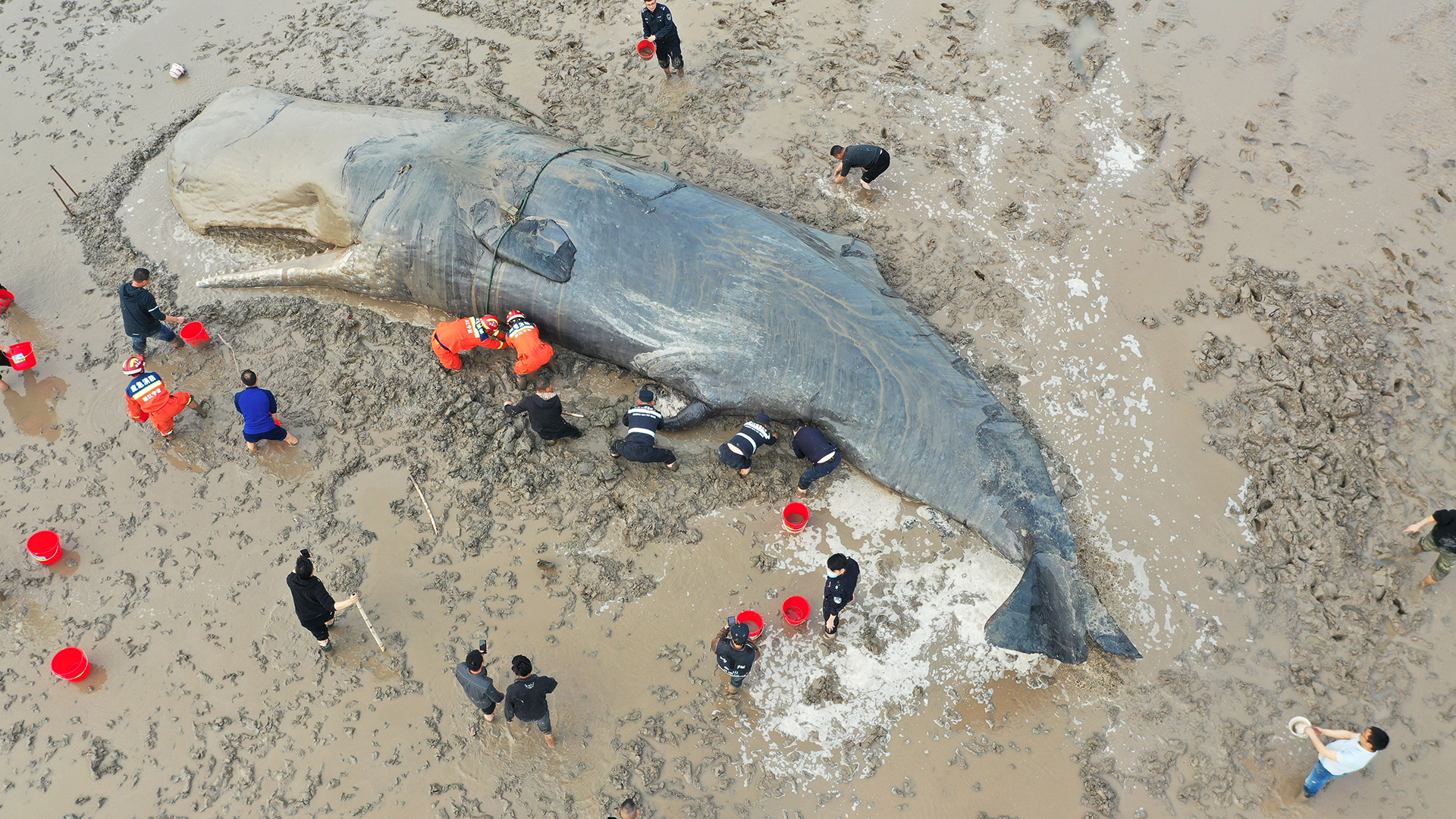
Conclusion
Whales have inhabited Earth’s oceans for millions of years, inspiring countless cultures while quietly supporting the health of marine ecosystems. Today, although many populations have shown encouraging signs of recovery, they continue to face modern environmental challenges that require thoughtful, coordinated action.
The encouraging news is that everyone can contribute. Supporting responsible conservation organizations, reducing plastic waste, choosing sustainable seafood, practicing responsible wildlife tourism, and sharing reliable information all help create healthier oceans.
Protecting whales is ultimately about more than conserving a single group of animals. It reflects our commitment to preserving the remarkable biodiversity of our planet and ensuring that future generations can continue to experience the wonder of these gentle ocean giants.
Human curiosity has always drawn us toward whales because they represent mystery, intelligence, and the vastness of the sea. By combining that curiosity with scientific knowledge and responsible stewardship, we can help ensure these extraordinary animals continue to thrive for generations to come.
Sources
- Whale Tone Foundation – How Can We Protect Whales: 15 Effective Actions for Ocean Conservation
- International Union for Conservation of Nature (IUCN)
- International Whaling Commission (IWC)
- National Oceanic and Atmospheric Administration (NOAA Fisheries)
- World Wide Fund for Nature (WWF)
- Monterey Bay Aquarium Seafood Watch
- Convention on International Trade in Endangered Species (CITES)
- United Nations Environment Programme (UNEP)
