
Surviving Trauma: Keith Edmonds’ Journey from Burn Survivor to Advocate
The Tragic Event in Flint, Michigan
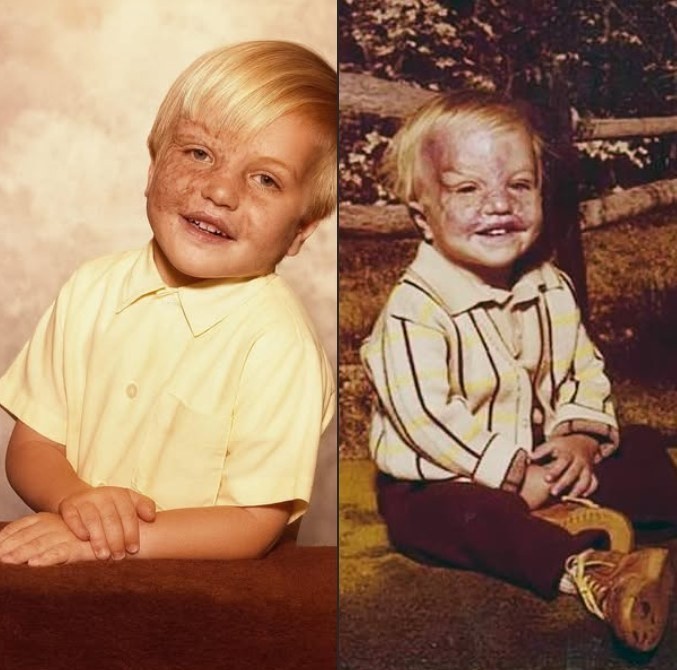
On November 18, 1978, a life-changing event occurred in Flint, Michigan, forever altering the trajectory of 14-month-old Keith Edmonds. In a moment of rage fueled by the distress of a crying toddler, his mother’s boyfriend pressed Keith’s face against an electric heater. The act resulted in third-degree burns covering half of Keith’s face—a wound both physical and psychological, marking the beginning of an arduous journey.
Medical Response and Miraculous Survival
The severity of the burns left doctors doubting Keith’s chances of survival. Third-degree burns, which destroy both the epidermis and dermis, frequently lead to severe complications, such as infection and organ failure, particularly in very young children. Keith’s resilience defied medical expectations; against all odds, he survived the night and embarked on a prolonged path toward recovery.
Keith spent a month in the hospital, receiving lifesaving care and stabilization. This initial phase was just the beginning. His long-term journey as a burn survivor involved numerous reconstructive surgeries at the Shriners Burn Institute in Cincinnati, a renowned medical facility specializing in pediatric burn care. Extensive plastic surgery and skin grafts were employed to help Keith rebuild a “normal” appearance—a challenging feat given the extent of his injuries. According to experts from the American Burn Association, such procedures are painstaking and often require years of follow-up care.
Aftermath: Legal and Social Implications
Beyond the physical trauma, the incident unleashed a wave of emotional turmoil and complex legal proceedings. Keith’s mother was cleared of wrongdoing, leaving him in the foster care system. The abuser’s conviction, though significant, resulted in a sentence of just 10 years in prison. Many observers, including child advocacy experts and the local community, considered this outcome disproportionately lenient in relation to the severity and lasting impact of the crime.
For Keith, the foster care experience proved isolating and turbulent, introducing new challenges as he coped with both his visible scars and the stigma attached to his origins. Studies show that children who enter foster care because of abuse often face increased risks of psychological distress, bullying, and feelings of abandonment.
Childhood Bullying and Emotional Isolation
Keith’s burned face became a focal point for bullying throughout his school years. Taunts and social exclusion compounded his sense of difference, leading to deep loneliness. The American Academy of Pediatrics notes that children with visible physical differences are at greater risk for peer victimization, which can result in lifelong effects on self-esteem and social functioning.
Faced with ongoing ridicule and emotional pain, Keith began using alcohol at age 13—a coping mechanism commonly seen among trauma survivors. The National Institutes of Health corroborate that early childhood trauma is strongly linked to increased vulnerability to substance abuse during adolescence.
Substance Abuse and Legal Trouble
Keith’s adolescence and early adulthood were marred by struggles stemming from his unresolved trauma. Alcohol became the anesthetic that dulled his emotional suffering, but its effects were far-reaching. For over two decades, Keith’s dependence on alcohol exacerbated depressive episodes and led to multiple run-ins with the law.
His behavior fits a recognized pattern among trauma survivors, where persistent mental health challenges—such as depression, anxiety, and post-traumatic stress disorder—frequently intersect with substance misuse. According to the Substance Abuse and Mental Health Services Administration, individuals exposed to severe childhood trauma are more likely to experience difficulty integrating into society and managing relationships, further perpetuating cycles of addiction and instability.
The Turning Point: Path to Recovery
In 2012, Keith reached a pivotal moment during his 35th birthday. Amidst another episode of heavy drinking, he experienced a profound realization that would ultimately redefine his outlook. Motivated by an urgent desire for change and self-determination, Keith resolved to seek sobriety and reconstruct his life.
This turning point marked the beginning of Keith’s journey toward recovery, symbolizing the extraordinary resilience that psychologists have documented in survivors of childhood trauma. Recovery from addiction is a complex process, requiring sustained behavioral changes, therapy, and support networks. Keith’s determination demonstrates the capacity for post-traumatic growth, where individuals find new purpose and meaning following adversity.
Coping Mechanisms and Support Systems
Keith’s path to sobriety was aided by several key factors. Access to community support, counseling, and recovery groups played instrumental roles. Research by the Mayo Clinic emphasizes the importance of social support, structured recovery environments, and professional counseling in sustaining long-term sobriety and healing emotional wounds.
Organizations like Alcoholics Anonymous and specialized trauma counseling frameworks offered Keith a sense of belonging and purpose. Victims of serious childhood trauma often benefit from group therapy, peer mentorship, and creative outlets, which help restore self-esteem and build healthy relationships.
Reconstructing Identity and Advocacy
With sobriety came a renewed sense of self for Keith Edmonds. His experience became a foundation for advocacy, inspiring him to support others facing similar challenges. The scars on his face, once sources of shame, became a testament to survival and a tool for raising awareness.
Keith has been involved in various public speaking engagements, sharing his journey to provide hope and practical guidance for survivors of traumatic events. He focuses on promoting mental health, anti-bullying, and support for foster children. Through his advocacy, Keith works with organizations that provide resources and safe spaces for trauma survivors, including non-profit groups and educational institutions.
Expert Views on Trauma Recovery and Resilience
Childhood trauma and burn injuries have long-term psychological and physical consequences, but, as demonstrated in Keith’s life, recovery and thriving are possible. Experts acknowledge the interplay of medical care, psychological therapy, and community support in shaping positive outcomes for survivors. The World Health Organization, CDC, and burn recovery specialists emphasize the value of integrated services—including physical rehabilitation, mental health interventions, and peer support—for effective recovery.
Studies by the CDC further show that trauma-informed care in both healthcare and educational settings can play a transformative role in rebuilding lives. Supportive foster care, anti-bullying programs, and restorative justice initiatives are increasingly recognized as crucial for mitigating the secondary effects of trauma and shaping healthy adult identities.
Societal Reactions and Policy Implications
Keith’s story has prompted reflection on subjects ranging from child protection to legal responses to abuse. The limited sentence for his abuser highlights ongoing debates in criminal justice circles about adequate punishment and rehabilitation for perpetrators of crimes against children. Advocacy groups continue working toward strengthening legal frameworks, improving foster care conditions, and ensuring access to mental health services for survivors.
Society’s evolving understanding of trauma has led to increased public awareness and education. Campaigns led by survivor advocates are pushing schools, healthcare providers, and lawmakers to adopt trauma-informed policies, reduce stigma, and invest in services for vulnerable populations.
International Perspectives on Child Abuse and Recovery
The issue of child maltreatment and recovery is not confined to one region; it is a global concern. International organizations, such as UNICEF and WHO, have developed guidance for addressing trauma and burn injuries worldwide. The importance of early intervention, multidisciplinary care, and foster system reforms are consistently highlighted in international literature.
Comparative studies show that countries with robust public health infrastructures and integrated trauma services achieve better outcomes for survivors. Restorative approaches to justice and prioritizing rehabilitation—as opposed to punitive models alone—are gaining traction in efforts to prevent recidivism and support healing.
Keith Edmonds’ Legacy and Ongoing Impact
Keith Edmonds’ journey illustrates the resilience of the human spirit in the face of overwhelming adversity. His ability to overcome physical trauma, emotional scars, and social exclusion stands as a beacon of hope for survivors and advocates worldwide. By openly sharing his story, Keith challenges stigma, raises awareness, and advocates for systemic change in how society treats and supports victims of childhood trauma.
The lessons from Keith’s life reinforce the necessity of comprehensive care, compassion, and targeted support for those affected by abuse and injury. Through his advocacy work, he continues to inspire others to envision a path forward—where trauma does not have to define one’s future, and recovery is attainable.
Conclusion
The experience of Keith Edmonds demonstrates both the devastating impact of childhood trauma and the profound possibilities of recovery. His story underscores the importance of medical intervention, psychological support, community involvement, and survivor advocacy in healing and transformation. As efforts continue to improve public policies and support systems, Keith’s journey remains a powerful example of hope, resilience, and the ongoing work required to prevent and respond to child abuse.
Sources
Author

Disclaimer: This content is intended for entertainment purposes only and is not based on real events.
