
The edge of a quiet lake in northern Ontario, Canada, is a place where summer memories are traditionally forged. As the sun sets behind the towering pines, the warm evening air is filled with the gentle hum of crickets and the soft rustle of wind through the leaves. Inside a cozy family cottage, an eleven-year-old boy went to sleep after a long day of outdoor adventures, unaware that a quiet visitor from the natural world would soon alter the course of his family’s life.
During the night, the child awoke with a small, lightweight creature resting gently across his nose and mouth. It was a native bat, seeking temporary shelter or perhaps disoriented by the cottage lights. The boy’s father acted quickly, carefully trapping the nocturnal mammal in a kitchen pan and releasing it back into the forest. Because there were no visible scratches, marks, or signs of physical harm, the family breathed a sigh of relief, assumed all was well, and returned to their peaceful vacation.
Nineteen days later, however, the quiet of their suburban home was shattered. The young boy began experiencing persistent vomiting, a strange tingling sensation across his face, and localized numbness. Despite the best efforts of pediatric specialists at McMaster Children’s Hospital, the progressive viral infection had already reached a stage where medical intervention could no longer halt its progress. The child ultimately did not survive the illness. This deeply moving event, later published in the Canadian Medical Association Journal, served as a poignant reminder of the microscopic boundaries that exist between humans and the wildlife sharing our ecosystems.
The Scientific Reality of Microscopic Encounters
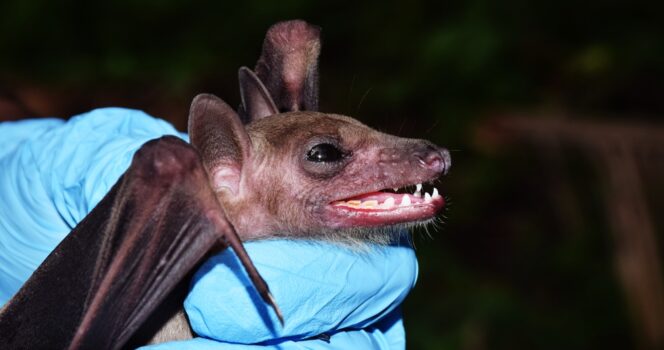
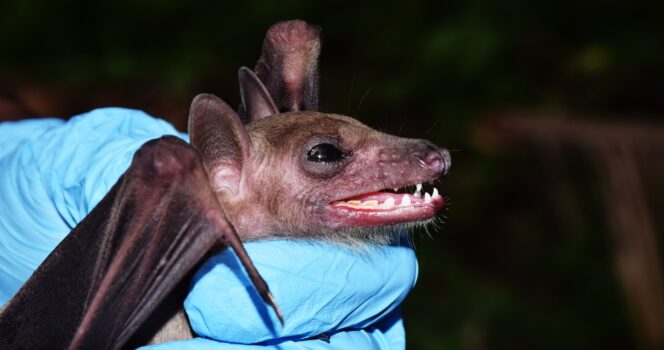
To understand how such an encounter can lead to a severe health outcome without any visible signs of injury, we must look closely at the biology of native bat species. In North America, the little brown bat (Myotis lucifugus) and the big brown bat (Eptesicus fuscus) are among the most common species to seek shelter in human structures, particularly older cottages, attics, and cabins. These mammals are incredibly small, often weighing no more than a single coin, with bodies covered in soft, dense fur.
Because of their diminutive size, their physical features are delicate. A bat’s teeth are extremely sharp and needle-thin, designed primarily for capturing insects mid-flight. When a bat comes into physical contact with a sleeping human, a bite can easily occur without awakening the individual. Because the teeth are so tiny, the resulting puncture wounds are often microscopic. They do not cause significant discomfort, do not result in noticeable marks, and rarely cause bleeding. Consequently, a person may be completely unaware that an exposure has taken place.
The underlying concern in these interactions is the rabies virus, a member of the Lyssavirus genus. This bullet-shaped virus is transmitted primarily through the saliva of an infected animal. Once introduced into the body, even through a microscopic scratch, the virus begins a slow journey. It travels along the peripheral nerves, moving toward the central nervous system and the brain.
During this initial incubation period—which can last anywhere from a few weeks to several months—the individual remains entirely asymptomatic. It is during this crucial window that modern medicine is highly effective. Post-exposure prophylaxis, commonly referred to as PEP, involves a series of highly refined immunizations. When administered promptly after an encounter, PEP assists the body’s immune system in identifying and neutralizing the virus before it can reach the central nervous system. However, once neurological symptoms emerge, the infection is almost universally fatal, making immediate public health consultation vital after any physical contact with a bat.
Cultural Mythologies and the Double-Sided Legend of the Bat
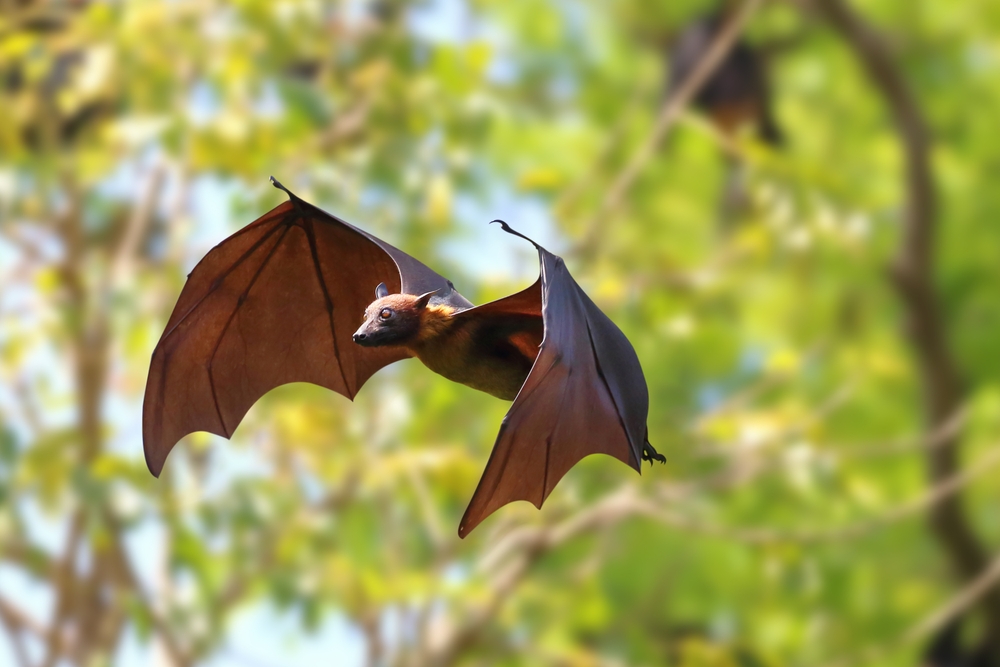
Throughout human history, our relationship with these nocturnal flyers has been deeply complex, often divided between fear and reverence. Because bats navigate the dark with ease, they have occupied a prominent place in the folklore and mythologies of diverse cultures across the globe.
In many Western traditions, the bat has historically been associated with the mysterious, the unseen, and the transition between day and night. Gothic literature and medieval folklore often portrayed them as companions of shadows, contributing to a modern sense of unease when these creatures enter human living spaces. These stories, while culturally rich, have sometimes created an unnecessary sense of dread that overshadows the ecological importance of these fascinating mammals.
In stark contrast, East Asian cultures have long celebrated the bat as a symbol of prosperity, happiness, and longevity. In traditional Chinese art and symbolism, the word for bat, fu, is a homophone for the word meaning “good fortune” or “blessings.” The classical design of the “Five Blessings”—representing health, wealth, long life, virtue, and a peaceful natural transition—is often depicted as five stylized bats arranged in a circle. In these traditions, having a bat enter or roost near a home is seen as a sign of impending success and harmony, showcasing how cultural perspectives can completely reshape our emotional response to the natural world.
In the Americas, Mayan mythology featured Camazotz, a powerful deity often depicted as a human-bat hybrid. Associated with the night, trials, and the underworld, Camazotz was respected as a guardian of the deep earth and a symbol of spiritual transformation. These varied mythologies demonstrate that humanity has always sought to understand the unique abilities of bats, weaving them into stories that reflect our own hopes, fears, and relationships with the nocturnal environment.
Navigating Coexistence: Prevention, Protection, and Support
Living alongside wildlife does not require us to choose between environmental conservation and personal safety. Instead, it invites us to practice informed awareness and take proactive steps to protect our living spaces. Bats are incredibly beneficial ecological partners; a single little brown bat can consume thousands of mosquitoes and agricultural pests in a single night, playing a vital role in keeping our natural ecosystems balanced and healthy.
To maintain a safe distance while protecting these helpful creatures, homeowners and cottage visitors can implement simple, effective physical barriers:
-
Seal Entry Points: Inspect cottages and cabins during the spring, paying close attention to rooflines, chimneys, vents, and any small openings larger than a quarter of an inch.
-
Install Chimney Caps and Screens: Ensure all windows have intact, tightly fitting screens and that chimneys are fitted with protective wire mesh.
-
Use Bat Boxes: Installing dedicated bat houses on the outer edges of a property provides these mammals with a warm, safe place to roost away from human dwellings.
-
Safe Removal Practices: If a bat is found inside a living area, avoid direct contact. If there is any possibility of physical contact during sleep, the animal should be safely captured by a professional or using thick gloves, and public health authorities should be contacted immediately for evaluation.
By focusing on physical exclusion and proactive maintenance, we can enjoy our time in nature with peace of mind, knowing that our homes remain secure while the local wildlife continues its essential work in the surrounding forests.
Reflections on Human Curiosity and the Natural World
The drive to venture into the wild, to build cabins near quiet lakes, and to explore the hidden corners of our planet is a fundamental part of human curiosity. We are naturally drawn to the peace and beauty of the wilderness, seeking a connection with the natural world that restores our spirits and inspires our imaginations. This curiosity is a beautiful trait that connects us to the earth and to one another.
As we continue to explore and enjoy these natural landscapes, our journey is enriched by a respectful understanding of the boundaries that keep both humans and wildlife safe. By combining scientific knowledge with a deep appreciation for the ecological roles of all creatures, we learn to navigate the wilderness with care, empathy, and wisdom. In doing so, we ensure that our cherished family journeys remain times of joy, discovery, and harmonious coexistence with the natural world.
Sources
-
Canadian Medical Association Journal (CMAJ): Clinical reports and pediatric case studies regarding public health advisories and rabies transmission dynamics in North America.
-
World Health Organization (WHO): Global guidelines on rabies prevention, post-exposure prophylaxis (PEP) protocols, and wildlife contact safety standards.
-
The Public Health Agency of Canada (PHAC): Regional wildlife surveillance reports and safety recommendations for cottage owners and outdoor enthusiasts.
-
Journal of Wildlife Management: Research articles detailing the ecological benefits of insectivorous bat populations and humane exclusion methods for residential structures.
