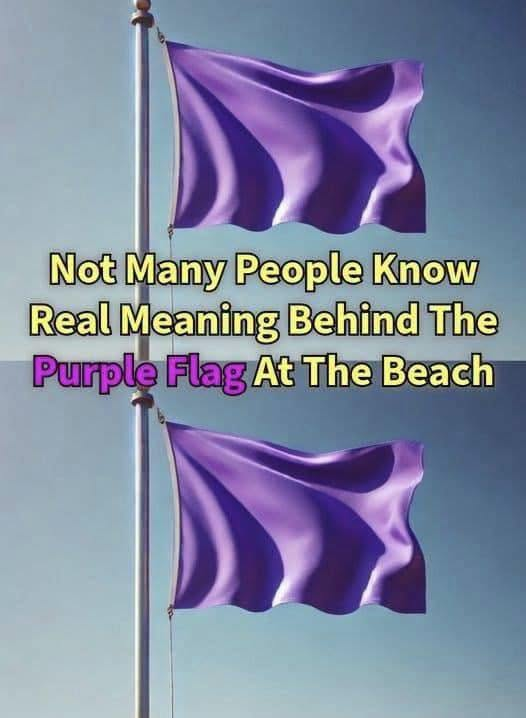

That Purple Flag Could Change Your Next Swim
Understanding the Purple Beach Flag: What It Means
When visiting a beach, most people anticipate sun, sand, and relaxation. However, there is a system designed to keep visitors safe: the beach flag warning system. Among these flags, the purple flag is one of the least understood but vitally important signals for both tourists and local swimmers. The presence of a purple flag indicates that potentially dangerous marine life may be in the water, such as jellyfish, stingrays, or other hazardous sea creatures.
Unlike the more familiar red or yellow flags, which warn of surf hazards or swimming conditions, the purple flag focuses on threats beneath the surface. Beaches may remain open, even when the purple flag is flying, but this signal is a crucial alert for swimmers, surfers, and anyone entering the water. Understanding its meaning and the behavior of marine creatures can help people enjoy the beach while minimizing risks.
Why Beach Flags Are Important for Safety
Beach flags form part of an internationally recognized system created to inform the public about present hazards. The system, used by lifeguards and local authorities, includes colors such as red, yellow, green, and purple. Each color represents a specific warning: red indicates high surf and strong currents, yellow signals moderate hazards, green suggests favorable conditions, and purple warns of dangerous marine life.
According to the United States National Oceanic and Atmospheric Administration (NOAA) and global coastal safety agencies, these flags are especially important for crowded beaches or locations with seasonal hazards. Lifeguards raise flags to communicate real-time information, often updating them as conditions change throughout the day. The purple flag is deployed strategically when jellyfish blooms, stingray migrations, or other potentially harmful sea organisms are detected, sometimes based on recent sightings or environmental conditions.
Which Marine Life Triggers the Purple Flag?
The purple flag is specifically used for marine creatures that, while not inherently aggressive, can threaten humans through stings, bites, or contact. Common triggers for the purple flag include:
- Jellyfish: Species such as Portuguese Man o’ War, box jellyfish, and local varieties can release toxins causing mild to severe stings, often resulting in pain, skin irritation, or allergic reactions.
- Stingrays: Stingrays frequent warm coastal waters. Although attacks are rare, stepping on them inadvertently may provoke a defensive sting, potentially causing injury.
- Sea lice: These microscopic creatures can cause skin irritation, especially for children and sensitive individuals.
- Other hazards: Local authorities may raise the purple flag when unusual marine activity is observed, including harmful algae blooms, sea snakes, or other mobile organisms.
How Lifeguards and Authorities Monitor Marine Life
Beach safety staff rely on multiple sources of information to decide when to raise the purple flag. Patrols by lifeguards, reports from local fishermen, satellite and aerial monitoring, and communication with environmental agencies help track marine life movements. For example, in the US, the NOAA works alongside local authorities to provide forecasts about marine hazards and monitor occurrences of jellyfish or other dangerous sea creatures.
Expert input is also vital. Marine biologists and public health officials may issue alerts when environmental conditions, such as warming ocean temperatures or rising tides, indicate increased risks. Tourist destinations with a history of jellyfish blooms, such as Florida, Australia’s Gold Coast, or Mediterranean beaches, have developed protocols for warning visitors through both signage and flag systems.
Risks and Symptoms: What to Know About Stings and Encounters
Most marine creatures triggering the purple flag are not actively hostile to humans; rather, incidents occur when swimmers inadvertently come into contact with them. Jellyfish stings range from mild irritation to severe pain, and in rare cases, they can lead to hospitalization. Symptoms include burning sensations, redness, and swelling. In some regions, like Australia and Southeast Asia, box jellyfish pose critical risks because their venom can cause systemic reactions.
Stingray injuries typically result from accidental contact. While most stings cause localized pain, there can be complications if the wound becomes infected or if fragments of the stinger remain in the body. Sea lice reactions are generally limited to skin itchiness, but may require medical attention for persistent symptoms.
Medical experts, including the Mayo Clinic and local health departments, advise quick removal from the water and prompt treatment in case of stings. First aid recommendations include rinsing with salt water, avoiding rubbing the affected area, and seeking help for severe symptoms.
Recommended Safety Practices for Swimmers and Beachgoers
To minimize risks when the purple flag is flying, experts suggest the following:
- Check the flag system upon arrival—a purple flag merits special attention.
- Avoid swimming in areas where the flag is raised or where lifeguards have posted advisories.
- Wear protective swimwear, such as rash guards, to reduce skin exposure.
- Supervise children closely and educate them about potential hazards.
- Shuffle feet when walking in shallow water to alert stingrays to your presence and reduce the chance of stepping on them.
- If stung, leave the water immediately and alert lifeguards for assistance.
Travelers are encouraged to follow local beach advisories and consult lifeguards for current conditions. Many resorts and public beaches now provide signage and information both onsite and online, increasing public awareness.
Global Perspectives and Societal Responses to Beach Safety
Countries across the world face unique challenges related to marine hazards. In Australia, lifeguard services collaborate with marine biologists to protect swimmers from box jellyfish and other seasonal threats. In the Mediterranean, coastal patrols monitor jellyfish blooms, and local governments invest in educational campaigns to inform the public.
International standards, such as the International Life Saving Federation’s guidelines, recommend consistent flag protocols. These standards are adopted by beach communities in Europe, Asia, Oceania, and the Americas. The purple flag, despite its universal meaning, may be accompanied by additional warnings depending on local predatory or harmful species.
Societal reactions have also shaped policy. In areas where marine hazards are common, schools, tourist agencies, and health departments conduct outreach programs. Communities may organize “stingray shuffle” lessons or jellyfish awareness seminars for residents and visitors.
Environmental and Seasonal Factors Affecting Marine Hazards
Environmental conditions play a major role in the frequency of marine hazards. Warmer water temperatures, tidal fluctuations, and storm patterns can increase the likelihood of jellyfish blooms or stingray appearances. Human activity, such as coastal development and pollution, may also impact marine life behavior.
Research shows that global warming is contributing to shifts in marine populations, leading to more frequent sightings of jellyfish and other creatures in previously unaffected areas. Public health experts, including the World Health Organization (WHO), urge continued monitoring and adaptive safety measures.
Expert Opinions and New Developments in Beach Safety
Marine safety experts stress the importance of ongoing research and public education. Technology, such as real-time apps and drone surveillance, is increasingly used to track and forecast hazards. Lifeguard associations are advocating for greater visibility of the purple flag and clearer signage in tourist destinations.
Recent advances include improvements in first aid protocols and increased awareness of allergy risks. Collaboration between environmental scientists and local authorities ensures that safety information remains up-to-date and accessible. Public engagement, through social media and local news outlets, enhances preparedness and reduces panic during large-scale alerts.
Conclusion: Stay Informed and Safe at the Beach
The purple flag is more than just a warning—it is a vital part of modern beach safety, protecting swimmers from hidden threats beneath the water’s surface. Understanding what the flag means, being aware of marine life in the area, and following lifeguard recommendations can help beachgoers enjoy the ocean responsibly. Whether you are a local resident or a tourist, staying informed and prepared is your best strategy for a safe and enjoyable swim.
Sources
- NOAA
- BBC
- World Health Organization (WHO)
- Mayo Clinic
- Reuters
- International Life Saving Federation
- The Guardian
Disclaimer: This content is intended for entertainment purposes only and is not based on real events.
